




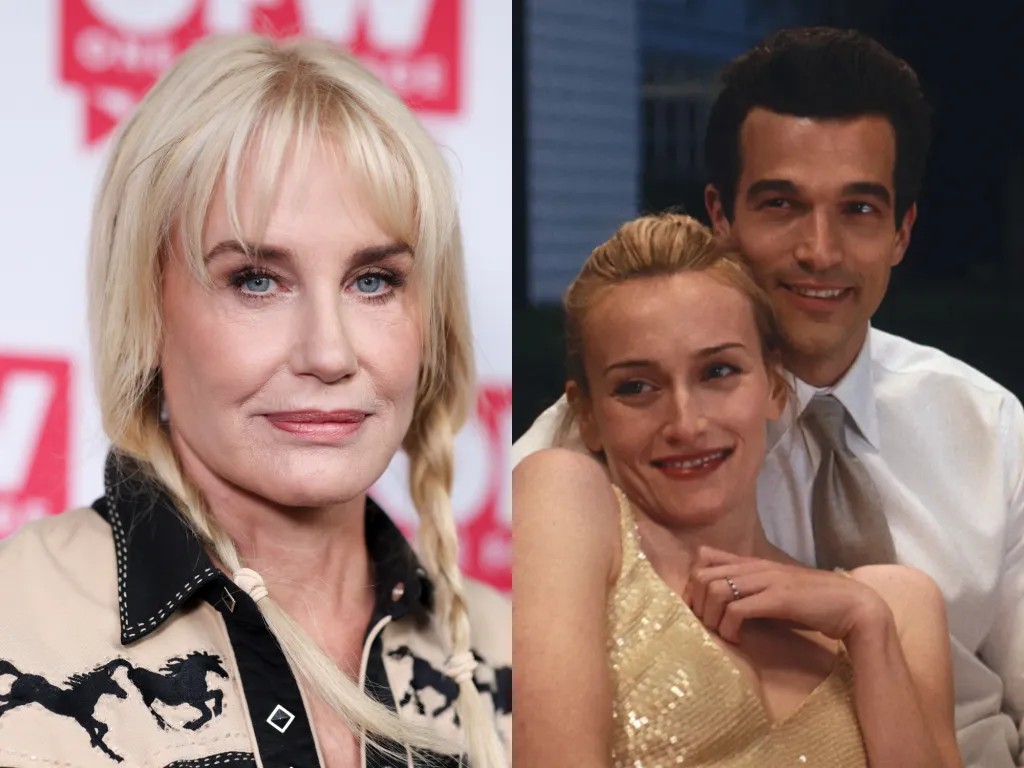
Ryan Murphy’s recent series, Love Story, has drawn sharp criticism from actress Daryl Hannah, who alleges the show presents a deeply inaccurate and damaging portrayal of her relationship with John F. Kennedy Jr. Hannah claims the show depicts her character – played by Dree Hemingway – as a manipulative and unstable figure, a caricature that bears no resemblance to reality.
The Show’s Depiction and Hannah’s Response
Hannah, who dated JFK Jr. for five years in the early 1990s, published an op-ed in The New York Times denouncing the show’s characterization. She explicitly refuted storylines suggesting she engaged in cocaine use, pressured Kennedy into marriage, or acted inappropriately towards his family. Hannah called the portrayal “textbook misogyny,” arguing it fabricates harmful accusations about her conduct.
“I have never used cocaine in my life… I have never pressured anyone into marriage… These are not creative embellishments of personality. They are assertions about conduct — and they are false.”
The Context: Hannah’s History with Hollywood Abuse
The controversy extends beyond the show’s inaccuracies. Hannah previously came forward in 2017 as one of the women accusing Harvey Weinstein of sexual abuse. She detailed instances where Weinstein aggressively pursued her, including pounding on her hotel room door and attempting to force his way inside. Hannah believes that after refusing his advances, Weinstein retaliated by sabotaging her career.
This history casts a shadow over the current situation. Hannah’s willingness to speak out against Weinstein suggests a pattern of powerful figures using their influence to silence women who resist them. The show’s misrepresentation of her, she implies, could be another form of retaliation, though the exact motivations remain unclear.
Why This Matters
The case highlights the broader issue of how real-life figures, especially women who have faced abuse, are often distorted in media narratives. Hannah’s story underscores the importance of accuracy in storytelling, particularly when dealing with sensitive topics like sexual misconduct and public perception. The incident raises questions about creative license versus outright fabrication and whether entertainment can justify damaging someone’s reputation based on fictionalized events.
The backlash against Love Story underscores the public’s growing demand for accountability in media portrayals and the need to protect individuals from baseless accusations. Hannah’s response serves as a powerful reminder that even in the realm of entertainment, truth and respect should prevail.