



Many organizations now recognize that pre-employment health screenings aren’t just a formality—they’re a critical step in building safer, more productive workplaces. The excitement of hiring can quickly turn into a costly error if potential risks are overlooked. A mismatch between job demands and an employee’s physical capabilities can lead to injuries, reduced efficiency, and significant financial strain. This is why proactive health assessments are becoming increasingly common, particularly in high-risk industries.
Зміст
The Core Purpose of Pre-Employment Medicals
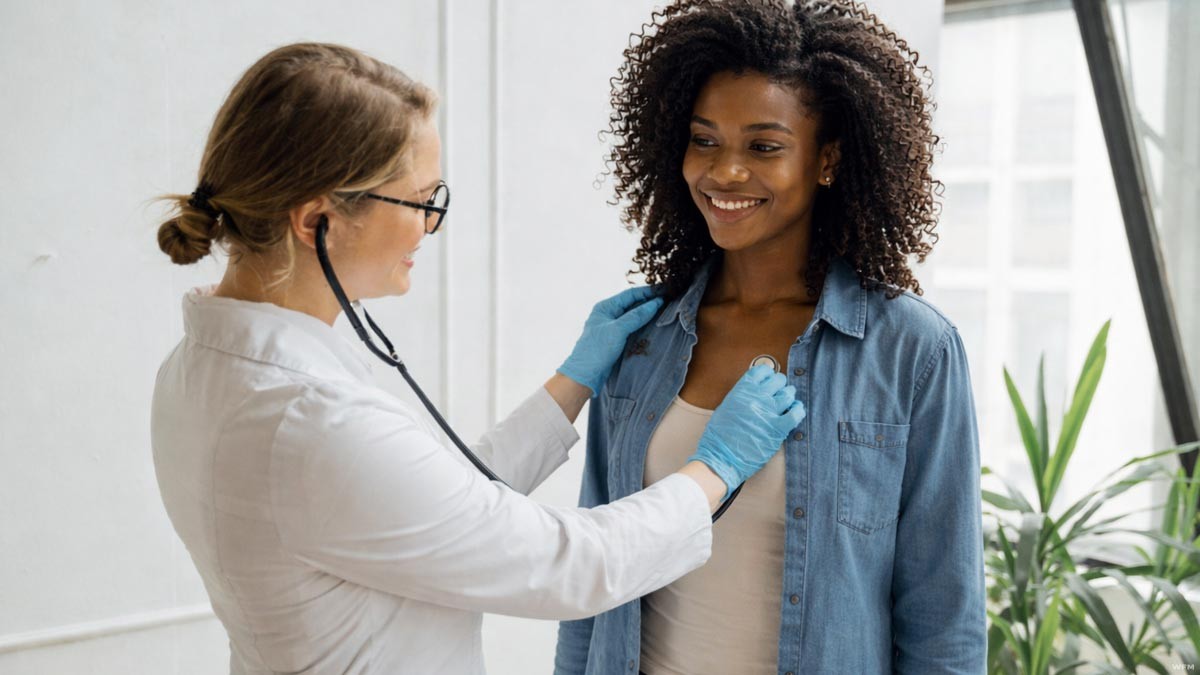
Pre-employment medicals evaluate a candidate’s ability to safely perform the essential duties of a job. The goal isn’t to seek perfection, but to ensure workers can carry out tasks without endangering themselves, their colleagues, or the organization. Employers use these screenings to:
- Match candidates to roles suited to their physical capacity.
- Reduce workplace injury risks.
- Comply with workplace health and safety regulations.
- Identify necessary adjustments or support needs early on.
- Protect long-term employee wellbeing.
The Hidden Costs of Ignoring Pre-Screening
Workplace injuries often stem from role mismatches. An enthusiastic employee may lack the physical readiness for demanding tasks, like repetitive lifting or prolonged standing. Safe Work Australia estimates work-related injuries and illnesses cost the economy $28.6 billion annually, highlighting the preventable nature of these risks. A pre-employment medical helps identify these vulnerabilities before an employee starts the job.
What Does a Health Screening Actually Involve?
The scope of a health screening varies by job type. A warehouse position will require different assessments than an office role. Common components include:
- Medical history review (relevant to job duties).
- Musculoskeletal assessments (for lifting, mobility).
- Cardiovascular health checks.
- Hearing and vision screening.
- Drug and alcohol testing (where safety dictates).
Industries Where Health Screening is Essential
Not every role requires extensive health evaluations, but certain industries benefit disproportionately from them:
- Construction & Infrastructure: Demanding physical work and potential hazards.
- Transport & Logistics: Repetitive strain, heavy lifting, and long hours.
- Manufacturing & Warehousing: Similar physical demands, plus machinery risks.
- Mining & Heavy Industry: Extreme conditions and high-risk tasks.
- Healthcare Support: Patient handling requires physical strength and endurance.
Benefits for Employers and Employees
Health screening isn’t just about risk management. It delivers tangible benefits to both sides:
| Benefit | For Employers | For Employees |
|---|---|---|
| Injury Prevention | Reduced workers’ compensation claims | Safer working conditions |
| Productivity | Lower absenteeism | Correct job placement |
| Compliance | Meeting safety obligations | Clear expectations from day one |
| Sustainability | Improved employee retention | Avoid tasks that cause harm |
Combining Screening with Workforce Development
Effective hiring extends beyond medical checks. Workforce development programs that integrate health and safety education, literacy training, and career planning are vital. These programs help individuals build confidence, capability, and awareness of workplace risks.
A Proactive Approach to Hiring
Modern organizations recognize that a resume and interview aren’t enough. A candidate may appear ideal on paper but struggle with the physical realities of the job. Health screening helps ensure a stronger match between employee capability and job requirements. This leads to:
- Safer workplaces
- Reduced injury costs
- Improved employee retention
- Better workforce planning
Conclusion
Hiring is more than checking credentials; it’s about ensuring employees can safely perform their duties. A pre-employment medical provides valuable insight that protects both employers and workers. When paired with education and job readiness programs, these assessments create more sustainable employment outcomes. For organizations aiming to build resilient teams, health screening isn’t a barrier—it’s a safeguard for long-term success in the workplace.