


A homeowner recently revitalized their kitchen not by gutting it, but by strategically painting and updating elements to create a dramatically different look. The project, documented in a recent article, demonstrates how impactful a simple color change can be, particularly when paired with thoughtful material upgrades.
Зміст
The Shift in Approach: Avoiding Replacement for Impact
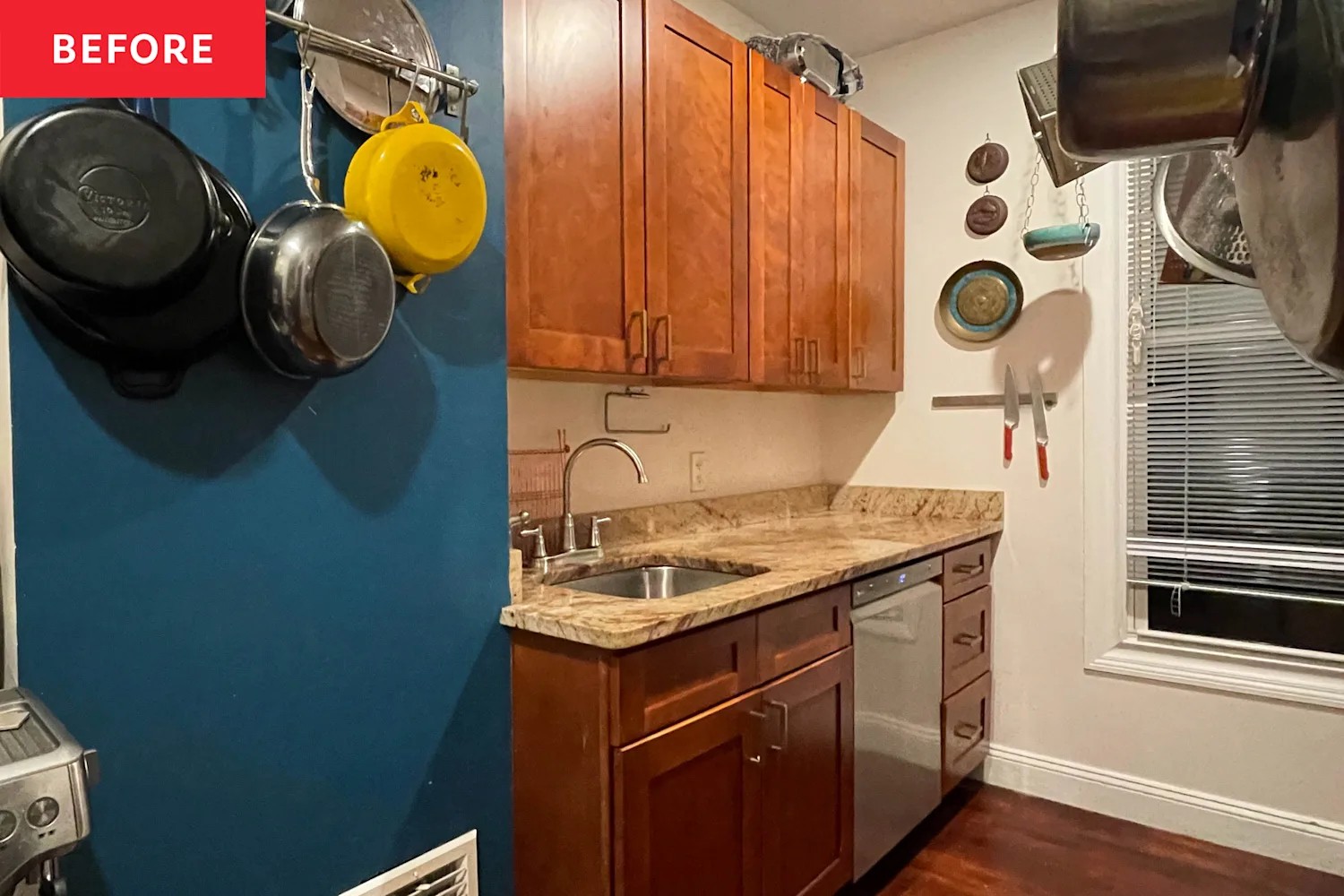
The homeowner initially considered replacing their brown cabinets but ultimately decided against it. Recognizing that the issue might not be the cabinets themselves, but how they interacted with the surrounding décor, they opted for a bolder, more sustainable approach. The goal was to balance the existing wood with deep greens, bright whites, and floral accents. This decision is relevant because many homeowners face similar dilemmas: whether to undertake expensive renovations or make strategic changes to breathe new life into existing spaces.
Countertop and Backsplash Overhaul: Modernizing the Core
The first major change involved swapping out old granite countertops for sleek, white quartz. The selection process was straightforward, using an online design tool from The Home Depot. A key takeaway from this step is the potential for hidden costs—specifically, carry fees for deliveries to upper-floor apartments. The homeowner also wisely opted for professional removal, saving time and effort. The countertop upgrade alone instantly brightened the kitchen and modernized the aesthetic.
Next came the installation of dark green zellige-inspired tiles for the backsplash. The homeowner, with help from their father, tackled this project over three days. The process highlighted the importance of careful planning, especially around electrical outlets, and demonstrated how minor adjustments, such as temporarily raising the cabinets, could simplify the tile layout. Choosing a dark charcoal grout further emphasized the unique texture of the zellige tiles.
Color and Texture: Walls, Hardware, and Lighting
The walls were painted in Benjamin Moore’s “Dollar Bill Green,” complemented by a romantic floral wallpaper. The homeowner initially misread the wallpaper as peel-and-stick but found that traditional wallpaper installation added a new skill to their DIY repertoire. The use of a laser level ensured proper alignment.
Affordable brass pot rails and a vintage brass shelf added warmth and functionality. Small details, like matching outlet covers to the brass hardware and blending the heating vent into the wallpaper, further enhanced the cohesive design. Natural textiles, including a washable jute runner and woven wood shades, completed the look.
Finally, recessed lighting was converted to glass pendant lights, adding mood lighting. This required some electrical work, but the result was a dramatic improvement in ambiance.
Key Takeaways: Strategic Upgrades and Realistic Expectations
This kitchen transformation illustrates that significant aesthetic changes don’t always require extensive demolition. By focusing on strategic upgrades like countertops, backsplashes, paint, and hardware, homeowners can achieve a high-impact refresh without breaking the bank. The project also highlights the importance of planning for hidden costs, such as delivery fees, and of being prepared for unexpected challenges, like misreading wallpaper instructions.
Ultimately, the homeowner’s kitchen now feels rich, moody, and vibrant, proving that a thoughtful approach to renovation can yield stunning results.