


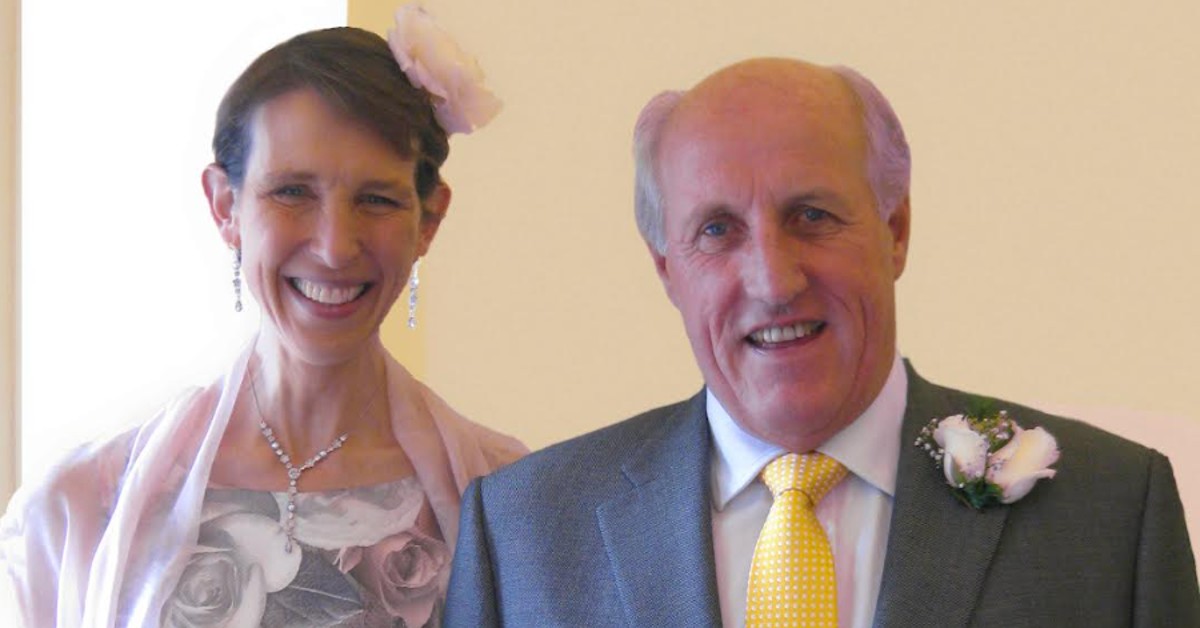
The love between my husband, Simon, and me was a late-life joy. He was 54, I was 38 when we met, and his energy broke through my caution. We built a life together, moving from London to the coast when he retrained as a boatbuilder. He thrived, and I did too… but beneath the surface, I lived with a constant, debilitating fear of losing him.
This wasn’t new. A turbulent childhood had taught me that good things don’t last. My mother’s illness and eventual death reinforced this belief: if you worry enough, maybe you can prevent the inevitable. But when you stop worrying… did that hasten the outcome?
I carried this fear into my relationship with Simon, hiding my anxiety from him, even from close friends. I didn’t want to “oxygenate” it with words, but the dread was relentless. I imagined worst-case scenarios, even forcing myself to picture him dying, just to feel prepared. His own health issues – cardiac problems, accidents, surgeries – only intensified my fear.
When the pandemic hit, Simon suggested I keep a journal. By July 2020, he was breathless. By July of the following year, he was diagnosed with stage 4 lung cancer. The diagnosis itself didn’t break me; it confirmed what I’d been bracing for. He faced his illness with courage, even humor, insisting on pink linen shirts during hospice visits and demanding a ramp to watch the sunset from his wheelchair.
He died on March 3, 2021. I’d spent years preparing for this moment, rehearsing his death in my mind. And yet, the reality was devastating.
The aftermath was isolating. Grief communities talked about loss, but none addressed the specific torment of anticipatory grief – the exhaustion of fearing someone’s death for years, only to have it arrive anyway. Experts framed it as irrational, exaggerated, or simply “not thinking about death enough.” But for me, it was a constant presence, shaping my every interaction with Simon.
Did I somehow fail him by worrying too much… or not enough? Did my fear become a self-fulfilling prophecy? There’s no answer, only the hollow ache of what’s lost.
Now, I work to promote better end-of-life care, encouraging open conversations about death. It’s a strange irony: I spent years preparing for Simon’s death, and now I advocate for acknowledging it openly.
I’m left with a raw, unsettling clarity. Love is worth the fear, but sometimes, the shadow of loss is just as real as the love itself.
Ultimately, grief isn’t about avoiding death; it’s about living fully in the face of its certainty.


