

It crunches. Really crunches.
That sound isn’t coming from a potato chip or a pretzel. It’s coming from the outside of a cake. A Bundt cake, to be exact. And honestly? It ruins every other pound cake you’ll ever eat.
We call this the Louisiana Crunch Cake. It doesn’t actually need to come from Louisiana. It just needs sugar. Lots of it. The trick isn’t in the batter—it’s in the pan. You coat the inside with a butter-flour sludge and then dust it heavily with granulated sugar before pouring the mix in. When the oven hits that sugar, it doesn’t melt into syrup. It crystallizes. It shards. It forms this glassy, brittle shell that snaps when your fork touches it.
Underneath? Tender. Almost cloud-like.
This is the contradiction that makes it dangerous. The inside is soft vanilla heaven, the outside is sharp, sugary armor. You take one bite and the contrast hits your brain like a drug. Our tester called it “like the best pound cake ever, but lighter.” She was eating it alone after midnight. Sneaking slices. Because it’s easy to justify eating “just one more.”
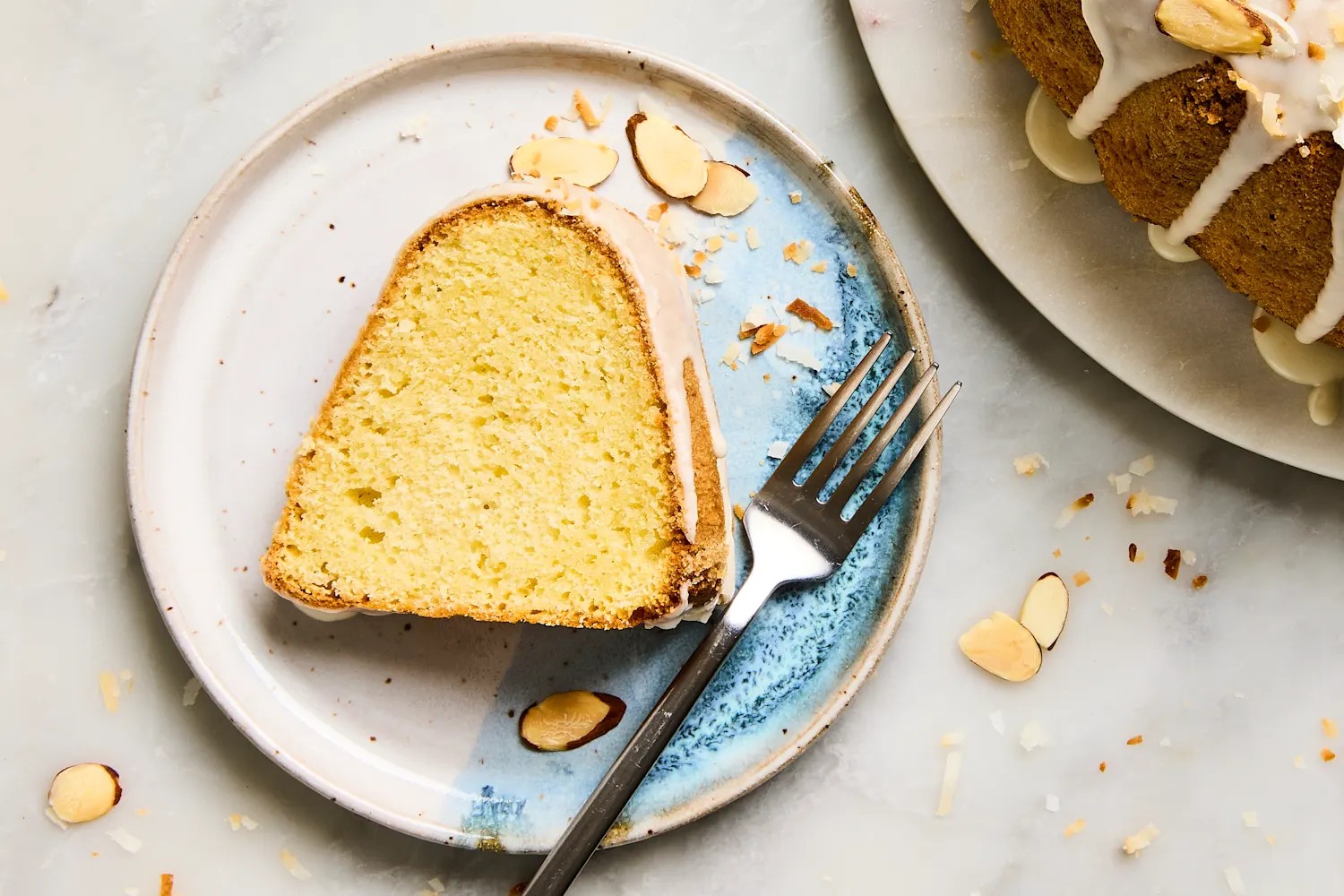
“It slices handsomely.” — Tina, Recipe Tester
Tina isn’t lying. This cake looks expensive. It demands to be put on a pedestal. But it’s not fancy in the way a three-day macaron recipe is fancy. It’s straightforward. It’s butter, flour, milk, sugar, and some dairy tricks to keep it from tasting like a brick.
The secret to that “not-a-brick” texture? Cake flour. If you use all-purpose, it’ll still taste good. But it’ll be dense. It’ll fight your jaw. Cake flour is weaker, softer. It yields a crumb that pulls apart gently. Pair that with sour cream and buttermilk, which bring acidity and moisture, and you get something that feels rich without sitting in your stomach for three hours.
You can make swaps if you have to. But why bother?
- No buttermilk? Mix milk and lemon juice. Wait five minutes. Watch it curdle. Use it.
- No cake flour? Take out two tablespoons of AP flour and add cornstarch. Sift it. It’s annoying. I know.
- Hate coconut? Sure. Put sprinkles on it. Or just eat the cake with a spoon like a animal.
The process is basic. Cream the butter. Dump the sugar. Whack in eggs. Fold in dry stuff. Alternating wet and dry to prevent gluey dough. Pour it in the prepped pan. Bake it until it’s golden-brown and smells like heaven is nearby.
Here’s the part people mess up. Cooling.
If you leave the cake in the Bundt pan until it’s stone cold, you lose the crust. The residual moisture turns the crunchy shell soggy. You have to pull it out while it’s still warm. About ten minutes in. Flip it. Let it air dry on a rack. Don’t rush this. Let it breathe.
Once it’s cold, you drown it in glaze.
It’s just powdered sugar and milk. Maybe a dash of vanilla. It needs to be thick enough to cling to the sides but thin enough to drip into those deep crevices. While the glaze is wet—before it sets—you dump toasted coconut and almonds on top. This isn’t garnish. This is structural integrity for the topping. The nuts hold. The glaze sets.
Eat it now? Good choice.
Wait three days? Still good. It actually tastes better after resting. The flavors meld. The crust stays surprisingly crisp if you wrap it well.
Keep it in the fridge? Up to a week. But take it out before you serve. Nobody wants to chew on refrigerated pound cake. It toughens up. Freezer? Yes. Wrap it tight. It lasts months. Thaw it on the counter overnight.
We spend a lot of time thinking about dessert. Making it special. Complicating it with mascarpone mousse or ganache layers. But sometimes the best dessert is just flour and fat and heat. And a sugar crust that cracks so loud the whole table turns their heads.
How many slices do you think will survive the night? 🍒