

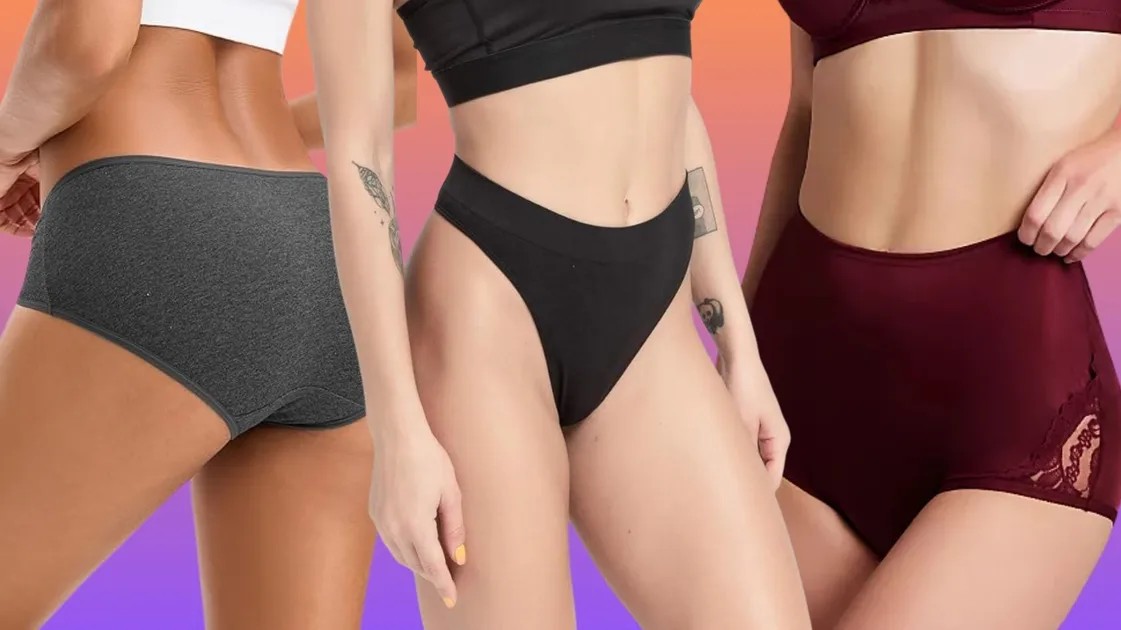
Women are increasingly frustrated with underwear designs that prioritize aesthetics over functionality, particularly the shrinking gusset areas that leave little room for comfort or hygiene. This isn’t just a minor inconvenience; it’s a systemic issue reflecting how women’s bodies are often treated as afterthoughts in the fashion industry.
The Problem With Shrinking Gussets
Many women report discomfort, irritation, and even medical issues due to underwear with inadequate coverage. Online forums like Reddit are filled with complaints about narrow crotches that fail to accommodate natural movement, menstruation, or exercise. As one user noted, while bra sizing has at least attempted to account for variations in body shape, underwear gussets remain stuck in a standardized, ill-fitting mold.
This issue isn’t merely about personal preference; it touches on broader health concerns. Medical professionals have pointed out that ill-fitting underwear can lead to vaginal irritation and infection. Moreover, the popularity of minimal coverage styles reinforces unrealistic body standards, ignoring the natural diversity of female anatomy.
A Growing Demand for Change
The demand for comfortable, full-coverage underwear is growing, with consumers actively seeking out brands that prioritize functionality. Several options are gaining traction:
- Wide-Gusset Thongs: Surprisingly, some lacy thongs now offer substantial frontal coverage.
- High-Waisted Briefs: Seamless designs provide support and minimize chafing.
- Organic Cotton Briefs: Sustainably sourced materials offer breathability and comfort.
- Period Underwear: Leakproof options are designed for menstruation and light incontinence.
Brands like Old Navy and specialty retailers are responding with wider gussets, moisture-wicking fabrics, and supportive waistbands. The trend indicates a shift in consumer priorities: comfort and practicality are no longer secondary to style.
Why This Matters
The underwear debate highlights a broader problem: the fashion industry often fails to cater to real-world needs, particularly when it comes to women’s bodies. By demanding better designs, consumers are forcing brands to reconsider their priorities. The conversation also raises questions about why functional designs have been overlooked for so long, and whether the industry will continue to prioritize aesthetics over health and comfort.
The push for comfortable underwear is not just about a better fit; it’s about reclaiming agency over one’s body and refusing to compromise on basic needs.