


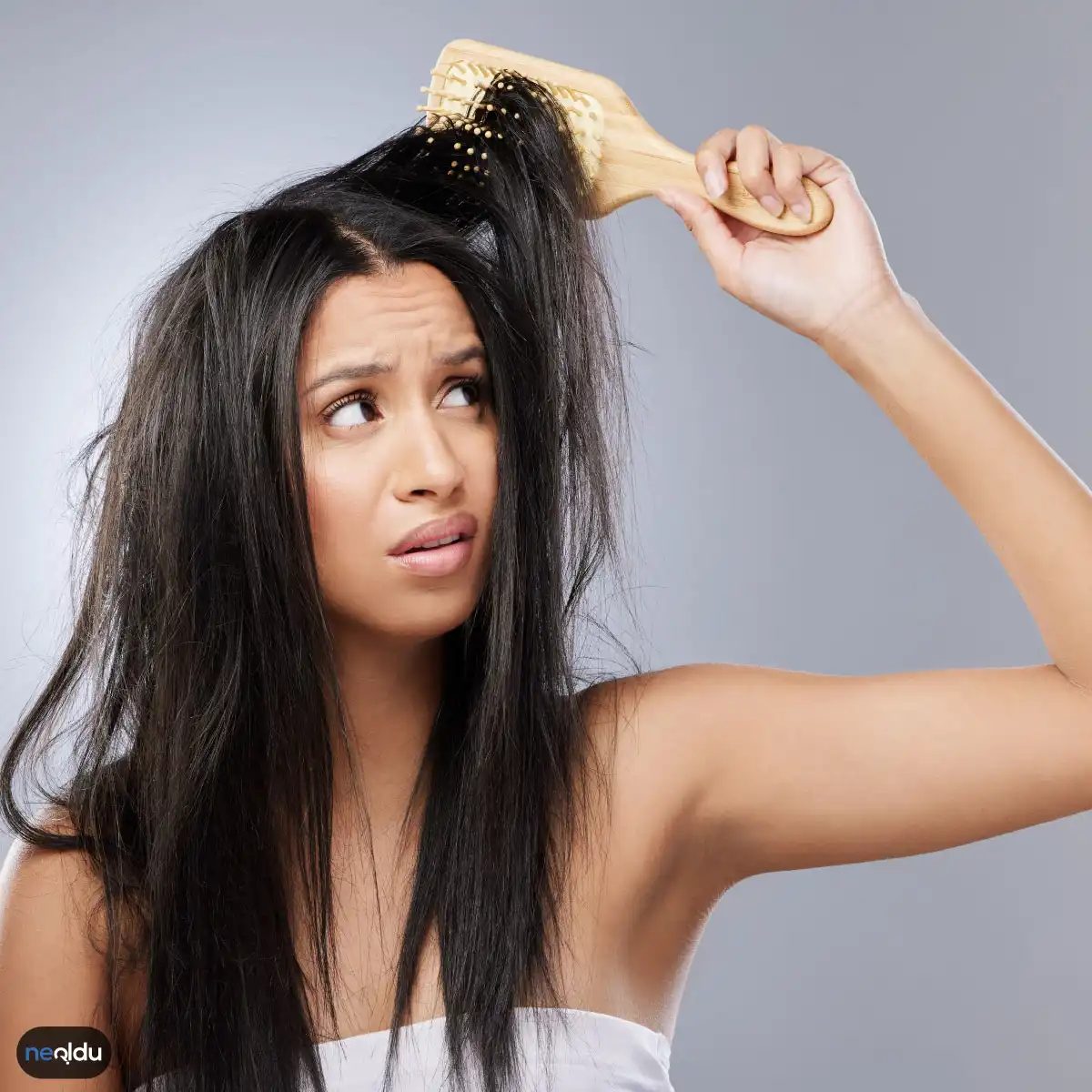
Sun, sea salt, and harsh dyes. They attack your hair daily. You know the feeling. The strands look dull, lifeless, and weak. They snap when you brush them. This is a common problem for women who want their hair back. You do not need expensive salon products to fix it. Natural ingredients work well. You can make a powerful mask at home. It helps restore strength and shine. Let us look at why this happens and how to stop it.
Зміст
Why does your hair get damaged in the first place?
Environmental stressors break down your hair cuticles. UV rays strip away natural oils. Chlorine and salt water swell the hair shaft. Chemical treatments open the cuticle too much. When the cuticle lifts, moisture escapes. The hair cortex becomes weak. This leads to breakage and frizz.
Your hair needs protein and moisture to stay strong. When it lacks these, it becomes brittle. Most damage is cumulative. Small daily insults add up. You might not notice the change at first. Then, suddenly, your hair feels like straw.
“Natural ingredients can penetrate the hair shaft better than some synthetic chemicals.”
This is why DIY masks work. They deliver nutrients directly to the damaged areas. You control what goes on your head. No hidden fillers or sulfates. Just pure, effective ingredients.
What exactly is in this natural hair mask recipe?
The core ingredient is often a protein source. Egg or yogurt are common choices. Honey adds moisture. Olive oil seals the cuticle. Each part plays a specific role.
Egg provides keratin. This is the main protein in hair. It fills in gaps in the cuticle. Yogurt contains lactic acid. It gently cleanses the scalp. It also softens the hair. Honey is a humectant. It pulls moisture from the air into the strand. Olive oil provides fatty acids. These lubricate the hair and reduce friction.
You do not need rare ingredients. Check your kitchen. You likely already have everything. This makes the remedy accessible. It is cheap. It is effective. And it takes minimal time to prepare.
How to apply the mask for maximum results
Clean hair is essential. Wash your hair with a gentle shampoo. Do not use conditioner. You want the cuticle open. Mix your ingredients in a bowl. Use a brush to apply the mask. Work from roots to tips. Focus on the most damaged areas. Usually, these are the mid-lengths and ends.
Cover your hair with a shower cap. Heat helps absorption. Use a warm towel over the cap. Let it sit for 20 to 30 minutes. Longer is better if you have time. Rinse with cool water. Hot water closes the cuticle too fast. Cool water locks in the protein.
Do this once a week. Consistency matters. One treatment will not fix years of damage. But regular use will show results. Your hair will feel softer. It will look shinier. Breakage will decrease.
This is not a magic fix. But it is a practical step. You are taking control of your hair health. You are using what is available. You are avoiding unnecessary chemicals. Start small. See what your hair tells you.
Sunta ve Havuz Suyu Saçınızı Nasıl Yıkıyor?
Güneşin altında saatlerce kalın, deniz suyuna dalın ya da klorlu havuzda yüzen bir saç telini hayal edin. İşlem bittiğinde telleriniz sadece ıslak değil, yapısal olarak da zayıflamış durumda. Sıcak hava kurutur, tuz mineral dengesini bozar, klor ise proteini parçalar. Bu sadece dış etkenler değil. Elinizdeki fön makinesi, düzleştirici veya maşa da aynı işi yapar. Yüksek ısı, saçın koruyucu dış tabakasını yani mürkü çatlattır.
Nem kaçar. Kırılganlık artar.
Ancak hikaye burada bitmez. Yıpranmanın asıl sebebi çoğu zaman içeriden gelir. Beslenme yetersizliği, kronik stres ve hormonal dalgalanmalar köklerdeki üretim kalitesini düşürür. Bir de saç bakım ürünlerini “fazlasıyla” kullanma hatası var. Şampuan, kondisyoner, serum, maske… Kulağa iyi geliyor ama saça sürekli kimyasal yük bindirmek, onu kendi kendini onarmaktan alıkoyar. Saçlarınızın yeniden yapısal bütünlüğe kavuşması için bu döngüyü kırmanız gerekiyor. Doğal bakım rutini, bu noktada en pratik çözümdür.
Evde Hazırlanabilecek Basit Doğal Maskeler
Yıpranmış saçlar için en etkili doğal maske tarifleri, aslında mutfaktaki temel malzemelerle hazırlanır. Karmaşık reçeteler aramaya gerek yok. İşte üç temel içerik ve işlevi:
- Hindistancevizi yağı ve yumurta: Yumurta, saç tellerini saran protein kaynağıdır. Hindistancevizi yağı ise deriye nüfuz edip nemi içeri hapseder.
- Avokado ve bal: Avokado, yağ asitleri açısından zengindir; bal ise doğal bir nemlendiricidir. Kuru ve mat saçlar için ideal bir ikili.
- Yulaf ezmesi ve limon suyu: Yulaf, saç derisini yatıştırır ve kepek oluşumunu azaltır. Birkaç damla limon suyu ise saç tellerini doğal olarak parlatır.
Nasıl uygulanır?
Malzemeleri bir kâsede iyice karıştırın. Karışımı temiz veya hafif nemli saça, köklerden uçlara doğru masaj yaparak yedirin. Streç film veya bir bone ile sarın. En az 30 dakika bekletin. Ilık suyla durulayın.
“Saç maskesi uygulamak bir seferlik sihir değildir. Haftada bir kez, düzenli olarak yapmak farkı yaratır.”
Bu uygulama, haftada bir kez bile olsa, saçın elastikiyetini geri kazandırır. Uç kısımlarındaki kırılmaları azaltır ve saçın genel dokusunu yumuşatır.
Hangi Doğ

Why this three-ingredient mix actually works for dry hair
You’ve probably seen the egg in the list and groaned. Fair enough. But that single egg is doing real work here. It packs in protein, which is the structural glue your hair shafts need when they feel brittle or weak. It’s not a miracle cure, but it’s a solid foundation.
Then there’s the oil. Two tablespoons of olive oil isn’t just sitting on your scalp. It’s penetrating the hair cuticle to add moisture and bounce. If your ends look like straw, this is where the softness comes from. The honey rounds it out. It grabs onto water molecules and holds them there, so your hair doesn’t dry out immediately after washing. It also adds a layer of shine that flat, damaged hair usually lacks.
You don’t need a fancy salon treatment to fix split ends. You need consistency and simple ingredients that actually penetrate the hair shaft.
How to make it without making a mess
Keep it simple. Crack that egg into a bowl and beat it until it’s uniform. Add the olive oil and the honey. Stir it all together until it’s smooth.
Here’s the part most people skip: heat the mixture. Not boiling. Just warm it up slightly, maybe in a bowl of hot water. Cold hair masks don’t absorb well. Warmth opens the cuticle and lets the nutrients in. If you skip this, you’re just washing off a coating instead of feeding the hair.
Where to apply it and how long to leave it
Start at the roots. That’s where the follicles are and where the protein does the most good for strength. Work your way down to the tips. Don’t just slather it on the top. Massage it into the scalp gently. You’re not trying to exfoliate, but you do want to make sure the oil gets where it needs to be.
Now, the waiting game. Put on a shower cap or wrap your hair in a towel. Thirty minutes is the sweet spot. Long enough for the absorption to happen, short enough that you don’t smell like an omelet.
Rinsing is tricky. Do not use shampoo first. That will strip the oil and protein out before they’ve done their job. Rinse with warm water. Lukewarm is ideal. Hot water will cook the egg in your hair, and you’ll be pulling out solid bits of yolk. That’s not the vibe. Rinse until it feels slick, then follow up with your regular shampoo if you need to, but be gentle.
Which results should you actually expect
This isn’t a one-time fix for severely damaged hair. Think of it as maintenance. If your hair is thinning or breaking easily, the protein helps reinforce the shaft. If it’s dull, the oil and honey bring back the light.
You won’t grow a new head of hair overnight. But you will notice less tangle when you brush. The ends will feel softer. The overall texture will be less rough. If you have really compromised hair, do this once a week. If your hair is mostly healthy but needs a boost, once a month is plenty.
Is it worth the effort? If you’re tired of buying overpriced serums that do almost nothing, yes. It’s cheap, it’s in your kitchen, and it actually works on the biology
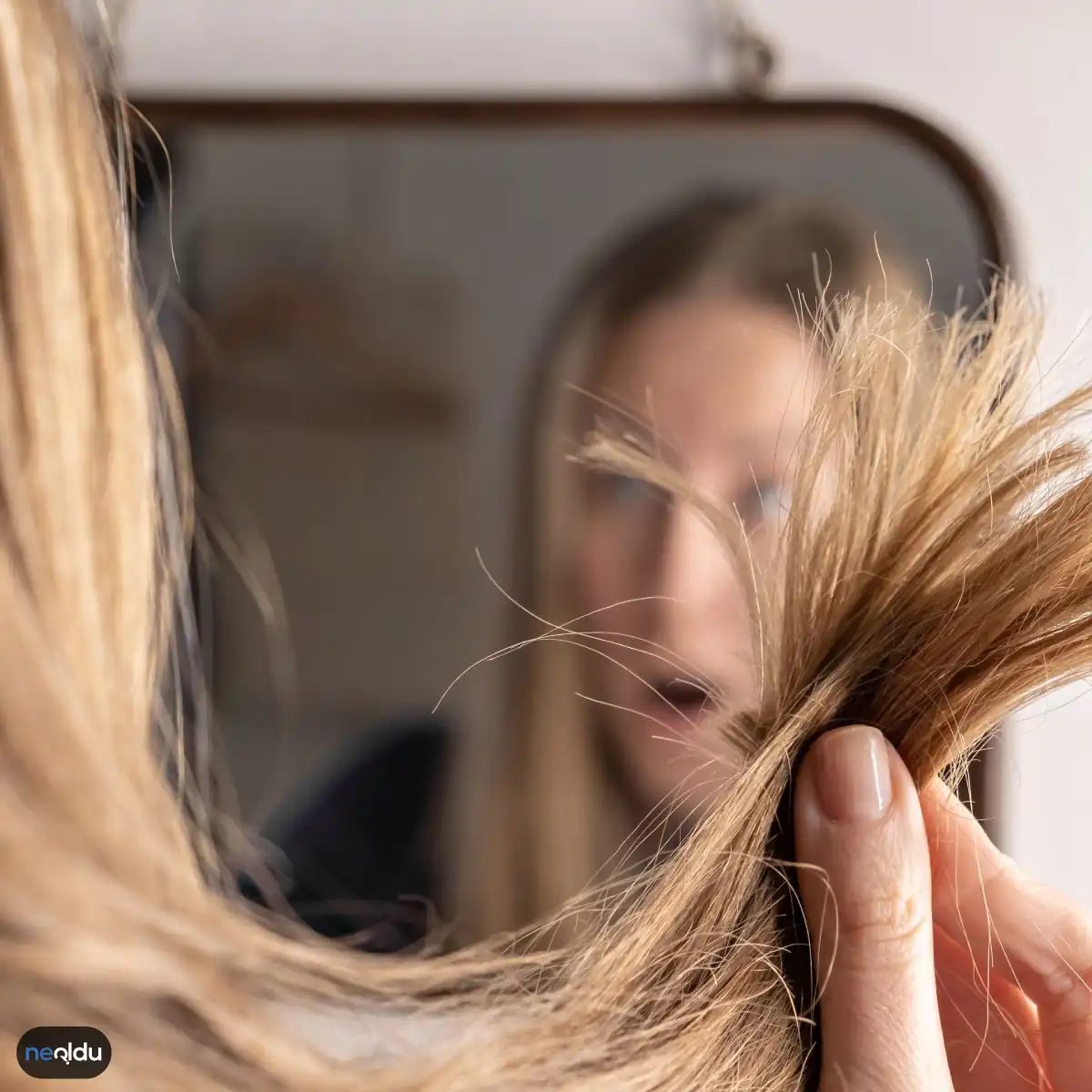
How to repair damaged hair without spending a fortune
The fix depends entirely on what broke it in the first place. If heat destroyed your cuticle, a new conditioner won’t save you. But if you just need to rebuild strength, these steps work for most people.
Start with your shelf. Throw out the harsh sulfates and parabens. Switch to organic hair care products. Your scalp is a skin barrier, not a disposal site for synthetic chemicals. Gentle formulas reduce inflammation, which is often the silent killer behind breakage.
Why trimming your ends matters more than you think
Split ends don’t just look bad. They travel up the shaft. Cut them before they get there. A regular trim every six to eight weeks keeps the damage isolated. It seems counterintuitive to cut hair when you want length, but dead ends make the rest look brittle.
Moisture is not just a luxury
Dry hair snaps. That’s physics. You need to lock in water. Use a hair mask once a week. Don’t skip the pre-wash application. It protects the strands from the stripping effect of shampoo.
Natural oils like argan or jojoba seal the cuticle better than most silicones.
Heat styling: The slow poison
Blow dryers, curling irons, flat irons. They are beautiful tools and terrible enemies. If you must use them, lower the temperature. Heat protection spray is non-negotiable. But honestly? Air drying is cheaper and better. Let your hair rest.
What you eat shows up in your hair
Protein, omega-3 fatty acids, B vitamins, iron, zinc. These aren’t just buzzwords. They are the building blocks of keratin. If your diet is light, your hair is light. Add eggs, nuts, leafy greens, and fatty fish. It takes months to see the difference, but it happens.
Stop pulling on your hair
Tight ponytails, braids, buns. They stress the root. Traction alopecia is real. Let your hair fall where it may. Loose styles reduce mechanical friction. If you wear it up, use silk scrunchies, not elastic bands that snap and tangle.
Natural mask myths and facts
Can you use an egg-based mask at any age? Yes. The nutrients are the same.
Do you need to wash your hair before applying it? No. Apply it to dry or damp hair, then wash it out.
How often? Once a week is enough. Over-moisturizing can lead to hygral fatigue, where hair swells and weakens.
Will it smell like a farm? Rinsing it thoroughly removes the odor. Cold water helps if you are worried about cooking the egg in hot water.
The goal isn’t perfection. It’s health. Your hair will tell you when it’s ready to grow again. Just give it the basics: clean ingredients, less heat, good food, and patience.