


Don’t panic if your scalp itches. It could just be dry skin or an allergic reaction to a new shampoo. But in some cases, the culprit may be much smaller. A tiny parasite sucks your blood. It sounds scary. It isn’t. These insects are head lice. They only cause itching and nothing else. They do not spread diseases. They don’t mean you’re dirty.
Head lice are scientifically known as Pediculus capitis. This infection is called pediculosis. This is very common. If you have them, you are not alone. Don’t feel embarrassed.
Зміст
Debunking hygiene myths
Most people think that head lice means you haven’t washed your hair. Wrong. Cleanliness doesn’t matter. A spotless head is just as susceptible as a messy one. The real risk factor is proximity.
Small children spread them most often. Close contact. Sharing hats. Head-to-head play. Lice need a human host to survive. they can’t jump. they can’t fly. They crawl. And they die quickly once off the scalp. Therefore, it is almost impossible to get it from doorknobs or pets.
Good news? This is treatable. No medical degree required. You just need the right shampoo. And patience. Follow the label. Some people try home remedies. They’ve been used for centuries. Archaeologists have even found fossil lice on ancient mummies. But modern treatments are faster and less messy.
Spotting the Signs
You may have lice and not know it. Sometimes there is no itching at all. If you do, it won’t be a pleasant sting. It’s an irritant. A nuisance. The urge to scratch is strong. And scratching causes the real problems.
Itching is an allergic reaction to lice saliva. This causes red bumps. Scratch too hard, and you get sores. In rare cases, bacteria can invade. Antibiotics may be needed. Most people experience only mild irritation. The only way to know for sure is to look.
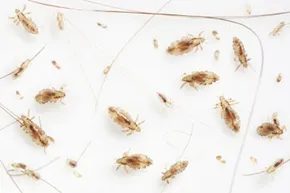
Lice are very small. About the size of a sesame seed. It’s hard to see. they move fast. If you spot one, you’re lucky. You are more likely to find their eggs. These are called nits.
Lice are yellow, brown or brown in color. They attach to the hair shaft near the scalp. They hatch in 1-2 weeks. If you see one, act immediately. Don’t wait.
What to look for
Inspection is key. Use a fine-toothed comb. Check behind your ears. Look at the nape of the neck. These are hotspots.
I’m looking for three things:
* Eggs: Insect eggs attached to hair.
* Nymph: Young lice.
* Adult louse: Fully grown bugs.
Adults are 1/16 to 1/8 inch long. They have six legs. They survive on your head for up to 30 days. During this time, the female lays about 90 eggs. There are a lot of eggs.
Prevention is difficult. All contact cannot be avoided. However, you can reduce the risk. Keep reading to find out how.
The numbers don’t lie
Lice are very small. But they’re persistent. Understanding their biology will help you combat them.
- Size: 0.16-0.32 cm.
- Validity: Up to 30 days on console.
- Reproduction: Each female lays about 90 eggs.
Knowing these facts changes how you approach treatment. You don’t fight monsters. You’re dealing with a small, predictable pest. Stay calm. Follow the steps. Your scalp will thank you.
What’s your next move? The treatment is simple. But preparation is important. Read more.
Stop the spread before it starts
Lice don’t care about hygiene. They care about proximity.
Children have a different social contract than adults, which makes them more walking magnets for infestations. Sharing a hat is more than just a friendly gesture. This is normal. Do you sleep in the same bed during the night? standard procedure. Do you sit next to each other in a classroom for 6 hours? Necessary.
These behaviors are not flaws. They are a way for people to connect with each other. But they are also the main vectors of How to prevent head lice.
You cannot prevent your child from socializing. However, you can manage the risk.
Let’s start with the hardest part: education. Talk about head-to-head contact. This is, of course, embarrassing. However, explaining the itchiness, embarrassment, and discomfort of treatment may give them pause before committing to treatment.
Then stop the shared items. Hats, scarves, hair clips, towels. Keep them personal. Combs and brushes are the big ones. Lice cannot fly, but they cling. Be sure to soak these tools in hot water after use. It’s not warm. hot. It kills anything clinging to the bristles.
If someone you know is infected, distance yourself from their environment. Avoid the sofa they sit on. Skip the stuffed animals they hugged. Wash everything in hot water and dry on high heat.
Can’t wash it? Seal it. Put in a plastic bag and leave for 2 weeks. Let them starve. Vacuuming can be effective, but should be a last resort. Lice rarely survive until they escape their host and jump onto the carpet to form a new colony. Very unlikely.
Still, something like this can happen. this is life.
Public awareness and treatment reality
September is National Head Lice Prevention Month. The National Pediculosis Association started it to combat stigma and fear. Note to parents: This situation is very common. This is treatable. This is not a reflection of cleanliness.
But what happens when prevention fails?
Getting rid of lice is not complicated. You may not need a doctor. Most cases are handled in local pharmacies.
Look for over-the-counter lice treatments that contain pyrethrin or permethrin. These are the heavyweights. Brands like Rid and Nix dominate the shelves. It is easy to use. Usually they work. Follow the instructions exactly. If you make a mistake, the treatment will fail.
Here is the catch: resistance is real.
In some regions, lice have evolved. They ignore common over-the-counter medications. If the shampoo doesn’t help, you need a prescription.
Recipe options include:
- Malathion: An insecticide that is applied directly to the scalp. Although safe in small doses, it is flammable. Keep away from hair dryers and open flames. Avoid if you are pregnant or breastfeeding.
- Lindane: Comes in creams and shampoos. It is effective but comes with risks. It can cause skin irritation and, in rare cases, seizures.
- Benzoyl Alcohol Lotion: New. It is also safe for adults. Not to be used on babies under 6 months of age. It can cause seizures, coma or death in infants.
Killing adult lice is only half the battle.
Most medications don’t dissolve the eggs (nits). The eggs hatch in 1-2 weeks. Without intervention, you’re looking at a reinfection.
You have to remove the nits. Use your fingers. Alternatively, you can buy a fine-toothed lice comb at the pharmacy. Comb through wet, conditioned hair. Do it repeatedly. Keep going until you see zero nits. This is the most boring part. It is also the most necessary thing.
Some people resort to home remedies for final cleaning. Oil, vinegar, suffocation. There is a debate about its effectiveness. But physical act of combing out the eggs is still the golden rule.
It’s a nuisance. It’s common. The United States spends nearly a billion dollars annually to control these pests. Every tenth schoolchild gets infected while attending elementary school.
This is very annoying. It is very itchy. It can be solved.
Natural ways to control head lice
There is currently a debate about whether home treatments really work. We know that lice have coexisted with humans for centuries. Medicated shampoos are relatively new. Before the advent of synthetic chemicals, people either tolerated the infestation or used physical methods. Current treatments often include insecticides. Misuse can cause side effects. This has made many people look for alternatives.
If you prefer a pesticide-free approach, there are several methods that have stood the test of time.
Use vinegar to loosen nits
White vinegar is the most popular natural option. Does not kill lice or eggs. Just loosen the glue that holds nits to the hair shaft. This makes removal easier.
Soak your hair in white vinegar. Wrap your head in the same solution with a towel moistened. Sources for 1 hour. Next, have someone manually pick the nits.
Oil-based suffocation methods
Covering the head with oil is also a common tactic. Some people use mayonnaise, olive oil, or petroleum jelly. Apply liberally. Cover your head with a shower cap or plastic wrap.
Some recommend blow-drying the covered hair. Heat can help kill lice. Let stand covered for 2 hours. To loosen nits, use a special lice remover. Shampoo your hair thoroughly. Comb again with a nit comb.
Vaseline works, but it’s hard to wash off. Please proceed with caution.
The reality of natural care
These treatments can help remove nits. No medication has been proven to completely eliminate lice. The only guaranteed natural cure is head shaving. This is not realistic for everyone. If you choose this method, be sure to seal the hair in a plastic bag for proper disposal.
Can pets carry lice?
People are often afraid of getting infected from animals. You cannot get lice from your pet. Lice are parasites that are unique to humans. They need human blood to survive. They are different from fleas. Your pet cannot get lice from you. Nor can you catch them from your pet.
Read more about hair health
For more information on related topics, see the following resources:
- 10 home remedies to treat dandruff
- How does psoriasis occur?
- How does baldness occur?
- Principles of hair transplantation
- Home care for greasy hair
- What happens if I don’t cut my hair?
- How fast does hair grow?
- Is daily bathing too much for your skin?
- Is the sodium lauryl sulfate in the shampoo harmful to you?
Sources
- Centers for Disease Control and Prevention. “Head Lice: Prevention & Control,” 16 May 2008.
- Family doctor. “Head Lice — What They Are and How to Eliminate Them” November 2006.
- Gavin, Mary. “Infections: Head Lice” Kid’s Health. September 2008.
- Mayo Clinic. “Head Lice: Symptoms” 6 Jun 2009.
- Mayo Clinic. “Head Lice: Treatments and drugs” 6 Jun 2009.
- Perlstein, David. “Head Lice Infestation (Pediculosis).” Medicine Net. december
14, 2007.
– Pollack, Richard.
“Head Lice Information” Harvard School of Public Health.
– PR Web.
“September is National Head Lice Prevention Month.” September 2, 2009.
– Schoenstadt, Arthur. “Home Remedies for Head Lice”. eMed TV. September.
17, 2008.
– National Pediculosis Association, Inc. “Frequently Asked Questions: Do pets get head lice?” Headlice.org.
– University of Maine. “Head lice.” Pest Management Office. July 22, 2009.
– WebMD. “Lice – Other Treatments” 24 Nov 2008.