



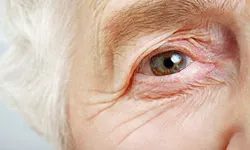
The skin is the largest organ in the body, but we tend to think of it as a cheap tarp. This is a sturdy barrier. It blocks UV rays, extreme temperatures and countless bacteria that try to enter the body. It absorbs abuse. The damage was repaired almost immediately. be scratched. It wears out. Bruises. Healing happens unnoticed and in the background.
Because it was always there and we forgot about it. We take it for granted until it starts to deteriorate over time.
Everyone starts with firm, smooth baby skin. But gravity and time affect us all. After all, we are all a bit like raisins. You can’t stop the clock. Genetics have a huge impact on the rate of aging. Some people’s hair turns gray in their 20s. Some people may see wrinkles early on. You can’t fight biology.
However, it can affect wear. Experts divide aging into two categories. Intrinsic Aging is something we are born with. It is your genetic code etched into your body every moment. Then there is extrinsic aging. This is external. Sun exposure. smoking. Repetitive movements of the facial muscles can cause wrinkles around the corners of the eyes and between the eyebrows.
These external factors are things you can actually control. Sort of.
No amount of skin care products can stop the inevitable deterioration. Your skin becomes weak. It loses its elasticity. Sags appear. It starts to change color. Wrinkles become deeper. These are the most important changes in the skin as we age. They happen to everyone, eventually.
Let’s start with the most common complaints.
Зміст
5: Dry skin
Why does the skin dry out as we age? It’s not just about forgetting to drink water. As the skin ages, sebum production decreases. The natural lubricants that keep your skin supple are reduced. Increases skin barrier permeability. This allows moisture to escape easily.
This is a specific age-related skin change that many women notice in their 30s and 40s. My skin feels tight. It looks dull. Flakes will appear. It’s not just cosmetics. Dry skin is more sensitive to irritation and cracking.
This can be controlled. Thick cream helps. Hyaluronic acid serums help lock in moisture. But the root cause is internal. Your body simply produces less water than it needs to store it.
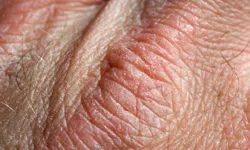
Reasons why your skin feels rough and how to solve it
This is a fact of aging. The skin loses its ability to retain moisture. You may notice increased peeling, persistent itching, or a general dry feeling dryness. It doesn’t just exist in your head. As we age, hormone production changes, resulting in less of the natural oils needed to keep our skin soft. The combination of biting winter winds and room drying heaters can damage the skin barrier. result? Chapped, raw flesh needs relief.
This fix isn’t magic, but it works. The first line of defense is a good moisturizer, but timing is key. Apply immediately after bathing, while the skin is still damp. This traps the moisture in your pores before it evaporates. You may want to test several brands to find out how well your skin type tolerates them. Experts often recommend formulas containing petroleum jelly or lanolin for intensive moisturizing.
However, be careful with active ingredients. Products containing lactic acid, urea, alpha hydroxy acids or ammonium lactate can sting or irritate sensitive skin. If you have reactive skin, use simpler barrier-repairing ingredients.
Your showering habits can make the problem worse. Hot water can remove residual oil from the surface of the skin. Use warm water instead. It doesn’t feel very luxurious now, but your skin will thank you later. The same goes for soap. Harsh detergents are enemies of dry skin. To reduce overall dryness without removing your natural protective layer, choose a gentle cleanser that does not contain soap.
For even more benefits, consider adding vitamin A cream to your daily routine. Vitamin A helps slow down the breakdown of collagen, the fibrous protein that keeps the skin firm and elastic. It can also support your skin from the inside. A diet rich in vitamin A, such as oranges, carrots and eggs, provides basic support. Increasing your intake of antioxidants and omega-3 and omega-6 fatty acids can also help keep your skin healthy from the inside out.
However, home care has its limits. Discontinue use if your skin becomes very dry, cracks or bleeds. See a dermatologist. If the barrier is compromised enough to cause a risk of infection or severe discomfort, professional treatment is required.
4: Thin skin

The glassy appearance of aging skin
You’ve seen it before. An older relative raised his hand towards the light. The skin looks almost transparent. It’s not on your mind. As you age, your skin definitely thins. Opacity is lost. Below you can start to trace the map of the vessels and other structures of the young thick skin.
Walk through a nursing home. Let’s take a closer look. You’ll see bandages everywhere. Healing sores are common. Why? Because the skin has become papery. Easy to break. It’s not just cosmetics. A scratch from a 20-year-old shrug can tear old skin. The barrier is gone.
This thinning happens for a few specific reasons. First, the layer of fat beneath the epidermis disappears. The outer layer is your protection. Under it, the fat body disappears. There is no padding. There is no protection. Bruises appear quickly. Tears come out easily.
Cell regeneration also slows down. Your body does not replace old cells quickly. The repair mechanism stops. Over time, the skin becomes thinner and thinner.
Genetics, health, medicine
Some people are born with thin skin. It’s their DNA. They maintain a refined appearance throughout their life. Some people have medical conditions that compromise the integrity of their skin. Eczema, psoriasis or autoimmune diseases can make the texture paper thin.
Then there are the drugs. Long-term use of corticosteroids is the main reason. These drugs, either taken orally or topically, can weaken the skin’s resistance. They strip away resilience. You’re left with something that breaks under pressure.
The role of the sun in failures
Exposure to sunlight is the enemy of structural integrity. UV rays break down collagen. They destroy elastin. Without them, gravity wins.
Elastin allows your skin to snap back after you move. Pull your cheek. It returns. The oldest skins are not. It stays pulled. It sags. The support system collapses.
Increased vulnerability. Decrease in elasticity. You lose the bounce.
It’s better to protect what you have than try to fix it later. Use sunscreen. SPF is at least 15. every day. It’s not just the beach. every day. Helps maintain health. It slows the breakdown. Also moisturize regularly. Moisturized skin is more elastic than dry skin. It doesn’t reverse thinning, but it helps manage it.
3: The skin starts to sag
We continue to grow during puberty, growing taller and fuller. But gravity is a patient master. It eventually collects its rent and everything gets worse. Nowhere is this attraction more evident than in the face. Jowls hang. The nose tip droops. This is not just imagination. It is a combination of physics and biology.
Why does the skin lose its firmness?
It starts with thinning. This is the starting point. Skin fat decreases with age. Collagen is lost. Elastin is gone. As a result, the skin of the whole body sags, but the face suffers. Features dangle. They squirmed. They don’t sit tight anymore.
There are certain triggers that can speed up this process. This is due to large weight fluctuations. When you gain or lose weight, your skin loses elasticity faster. Stretch marks will appear. Drooping becomes pronounced. This is structural damage.
Then there are the internal mechanisms. With age, the lymphatic drainage slows down. This system removes toxins. If it is delayed, the support structure collapses. The skin loses firmness.
Hormones also play a role. In women, estrogen production is reduced. Estrogen helps keep your skin firm. A decrease in estrogen means sagging skin. Smoking adds fuel to the fire. It breaks down collagen. It dries out the deeper layers of the skin. It’s a one-two punch against youth.
Can plastic surgery stop drooping?
The best defense is to start proper skin care at a young age. But if you already suffer from sagging skin on your face, you should consider taking action. A cosmetic surgeon can inject an inert filler. These round out features. Increase the volume.
Some surgeons recommend starting these treatments as soon as possible. The logic is simple. Stop excessive sagging in time and prevent it from forming later. It is very practical. It sounds like a hack.
Very expensive. Not usually covered by insurance. This is not a permanent solution.
Fillers address soft tissue. They do not repair bones. With age, the skeletal structure of the face weakens. Eye sockets widen. Jaw and cheek bones wear down. This bone loss cannot be overcome with filler injection alone. The foundation is shrinking. You are trying to fix a collapsed house with paint.
Some patients choose bone implants. It’s a more serious procedure. There are serious potential side effects. Others prefer facelifts. This is a skin firming procedure. Recovery takes several weeks. This is invasive. It’s expensive. It’s a commitment.
None of it stops time. Just rearrange.
2: You Get Age Spots
As you enter your 40s and 50s, you may notice new pigmentation spots. Everyone calls these spots, but they are also called melasma or in the medical term freckles. Fair? Sunspot is probably the most accurate name.
Why? Because they are the places where the sun shines the brightest. These are a direct result of harmful ultraviolet (UV) radiation. UV rays cause your skin to produce more melanin, the dark pigment. It’s basically a defense mechanism. The skin works hard to protect the deep tissues from radiation. Solarium speeds up this process significantly.
These spots are flat. They aren’t raised bumps. They can be found in brown, black or even grey. They are usually oval in shape. Think of them as concentrated patches of pigment. It occurs most commonly on the upper parts of the hands and feet. The upper back and shoulders are also often targeted. The same goes for the face. At first they are small, like freckles, but they tend to group together. This makes them look much larger than they actually are.
they are harmless. This is good news. The bad news is that early stage skin cancers can look similar. There are certain red flags to watch out for. If a spot is unusually dark. If it has multiple colors mixed in. If the border is jagged or irregular. Or if it seems to be growing rapidly. Seek medical attention immediately. Don’t wait.
Genetics play a role here. Some people are just predisposed to them. If you have fair skin, your risk is higher. A history of sunburn also increases this risk.
Once they’re there, you have options. Bleaching creams can lighten them. Laser treatment is another option. Chemical peels and dermabrasion work too. Cryotherapy, which uses extreme cold, is also effective.
1: Your Skin Develops Wrinkles
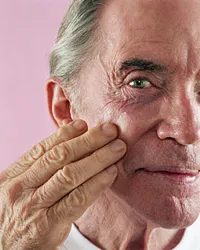
Skin changes are inevitable. Changes happen every 10 years. Eventually, we all face wrinkles, which are the most honest reflection of time.
Until the age of 20, it was common for people to have clean faces. Then comes a change. You will begin to see what dermatologists call motor wrinkles. These are not just superficial signs. These are the wrinkles formed by the physical activity of life. Muscles move. Your skin folds. The eyes appear first. Squint your eyes at the screen. Laughing hard. Or it may have been exposed to unprotected sunlight for years. These movements can leave wrinkles around the eyes.
As you turn 30, these wrinkles can become even deeper. The skin around the eyelids is very thin. It moves more often than other areas of the face. The combination of high motion and sunburn can make wrinkles even deeper. This is not a failure. This is physics.
When you turn 40, new horizons begin to emerge. Wrinkles appear above the upper lip. If you smoke, they show up sooner. Smokers purse their lips constantly. Sun damage can also accelerate this condition. You may see this vertical line before others.
Things were different 50s and beyond. Gravity takes over. The skin starts to sag. Wrinkles become more visible not only because of movement, but also because of the loss of structural support. This is where the habits of people in their 20s and 30s become important. If you use sunscreen. If you moisturize. You’re reaping the benefits now. If you ignored your skin, the deterioration will accelerate. Harsh, but true.
You can fight back. Or you can manage.
A thick moisturizer can help. They lock in hydration. They slow the visible signs of aging. Injectables such as Botox and fillers can relax muscles or add volume. The sooner these are taken into account, the less invasive will be needed later. Retinol is another tool. It speeds up cell turnover. It boosts collagen production. This is not magic. This is biology.
Then there is another way. Some people completely reject anti-aging hustle. They believe that wrinkles add character. They want to age gracefully. Let your face tell the story. There is dignity in that choice.
But look. Your skin is a mirror that reflects your health. A long and healthy life is usually associated with general health. Keeping wrinkles at bay for a few extra years? It’s just an added bonus.
How you handle this depends on your values. But change is coming. They are unique to every single person.