

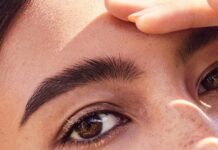



Eyebrows frame the face and play a surprisingly large role in how we perceive beauty. From the thin, over-plucked arches of the 90s to the bold “Instagram brows” of the 2010s, brow trends are constantly shifting. Today, the preference leans toward fuller, naturally fluffy brows that enhance facial features without looking overly sculpted. Achieving this look, however, requires understanding both biology and effective techniques.
Why Brow Fullness Matters
Eyebrows aren’t just about aesthetics. They influence facial symmetry, subtly lift the eyes, and contribute to overall balance. Many factors – from over-plucking and aging to hormonal changes – can hinder natural brow fullness. Fortunately, several science-backed methods can help.
Зміст
The Role of Expert Advice
Leading dermatologists, cosmetic chemists, and brow artists agree: targeted interventions can make a significant difference. Damōne Roberts, known as “Hollywood’s Eyebrow King,” emphasizes the underestimated power of well-shaped brows. Experts like Dr. Mona Gohara (Yale School of Medicine) and Dr. Jack Levy (Weill Cornell Medicine) provide evidence-based strategies for promoting hair growth and maintaining brow health.
Stop Tweezing: The First Step
The most immediate action is to stop removing hair. Frequent tweezing, waxing, or threading can damage follicles, leading to permanent hair loss. If shaping is desired, opt for gentle trimming with small scissors or a brow razor to preserve follicle integrity. Waiting four to six weeks between aggressive hair removal sessions minimizes damage.
Medical Solutions: Latisse and Minoxidil
For significant growth, consider FDA-approved options. Latisse, originally designed for eyelashes, contains bimatoprost—a prostaglandin analogue that extends the hair growth phase. While off-label for brows, it’s proven effective in thickening and lengthening sparse arches. However, potential side effects include eye irritation, hyperpigmentation, and even permanent iris darkening; a dermatologist’s guidance is essential.
Minoxidil, another FDA-approved medication primarily for scalp hair loss, is also effective for brows. Topical or oral forms can stimulate growth, but may cause unwanted hair in other areas. It’s crucial to proceed with caution and under medical supervision.
Over-the-Counter Alternatives: Weighing the Risks
If prescription medications aren’t feasible, over-the-counter serums offer alternatives. Many contain lower concentrations of prostaglandin analogues, such as isopropyl cloprostenate, but their safety isn’t fully established.
- Peptides: Gentler signaling molecules that promote hair growth, though with less robust clinical evidence.
- Castor oil: Creates the illusion of thickness by coating hairs, but doesn’t stimulate actual growth.
- Rosemary oil: May reduce inflammation and improve circulation, potentially aiding growth, but evidence is limited.
Makeup Techniques for Instant Volume
For immediate results, makeup can enhance brow fullness.
- Brow powder: Fills sparse areas with a natural-looking density using an angled brush and blending with a spoolie.
- Tinted brow gel: Provides subtle color and hold while creating a fuller appearance.
Long-Term Commitment
Treatments like Latisse and minoxidil don’t permanently alter follicles. Once discontinued, brows will revert to their natural growth cycle. Maintaining results requires consistent application.
Conclusion
Achieving fuller eyebrows is possible through a combination of careful hair care, medical interventions, and strategic makeup. Whether opting for prescription solutions, over-the-counter alternatives, or temporary cosmetic enhancements, understanding the science and potential risks is essential. A dermatologist’s guidance ensures safe and effective results, maximizing the impact of these powerful facial features.