

Microplastics are everywhere.
You can’t run from them. They aren’t just hiding in plastic food containers or that shiny wrapping you throw away. We’re talking about particles in your food, in tampons, in your clothes, and even in the water you drink.
It is stressful. Truly.
Studies link microplastic exposure to harmful effects on both human health and the environment. So the natural reaction? Panic. Then frustration. Because feeling like you have zero control is no way to live.
The trick isn’t to eliminate every single exposure overnight. It is to make smart, simple strategic swaps where you have the most control.
That is the advice of Lindsay McCormick. She doesn’t just give advice. She built a company on it.
How to Stop Contributing to Plastic Pollution Through Daily Swaps
McCormick is the founder and CEO Bite. She launched the brand in 2017. She did it from her living room. Why?
Because she was done with travel-sized toothpaste tubes.
“This is so wasteful.” That was the thought. It stuck.
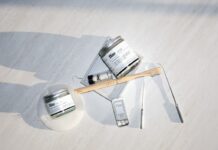
She tried tooth powders first. They didn’t work well. Then she formulated something new: toothpaste tablets. You bite them. You chew them. They foam. You brush. It feels strange at first. Then it becomes habit.
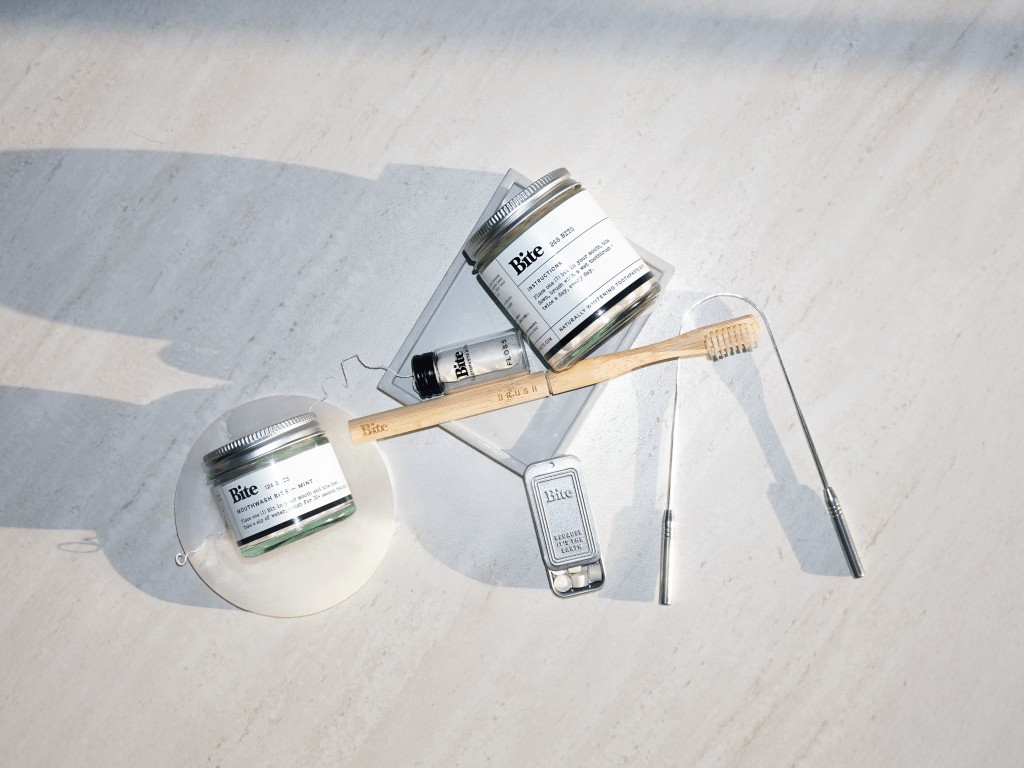
These bite-sized tabs are now a staple. They come with or without fluoride. Flavors include mint and berry. But the packaging? That is the real win. Zero plastic.
The company expanded from there. Now they sell bamboo toothbrushes, whitening gel, and floss. Everything sits in compostable or recyclable materials.
Then came the deodorant challenge.
Which Deodorant Container Is Best for Sustainability?
McCormick found cardboard deodorant containers soggy within weeks. Wet cardboard ruins. It crumbles. It’s a mess.
Cardboard isn’t the answer here.
Metal is.
Bite launched aluminum-free deodorant housed in durable metal cases. You can’t drop plastic. You don’t throw away plastic. You refill it.
The insert lives inside the metal shell. When it runs out? Pop the refill in.
“I wanted products that were functional, sustainable, and effective. But also beautiful,” McCormick says.
She didn’t just want eco-friendly. She wanted usable. There is a difference. Most plastic-free brands ignore how a product feels in the shower. Bite cares.
Why Microplastic-Free Personal Care Matters for Health
The name Bite stands for “Because It’s the Earth.”
McCormick got into the business watching plastic pile up on beaches. She worked as a surf instructor then. She saw the trash. It wasn’t just unsightly. It felt wrong.
Years passed. More research dropped.
We now know what happens to that beach trash. It breaks down. It floats. It ends up in fish. It ends up in our blood.
“What happens in the ocean eventually happens in us.”
The world feels big. It isn’t.
It’s a contained ecosystem. You cannot pour something into the environment without ripple effects. We thought plastic stayed in landfills. It doesn’t.
So how do we fix this?
Start small. Look at your bathroom cabinet. See those single-use plastics? Replace them. One swap at a time.
Maybe you start with a toothbrush. Maybe it’s the deodorant.
You might wonder if these products actually clean as well as conventional options. The answer seems to be yes. Bite customers report satisfaction with both oral hygiene and odor protection.
Is it inconvenient at first? Perhaps.
Will the plastic still be out there? For a while.
But you stop adding to it. You change your daily routine. You choose durability over disposable convenience.
The ocean doesn’t need saving from you. It needs protection. You have that power now.