




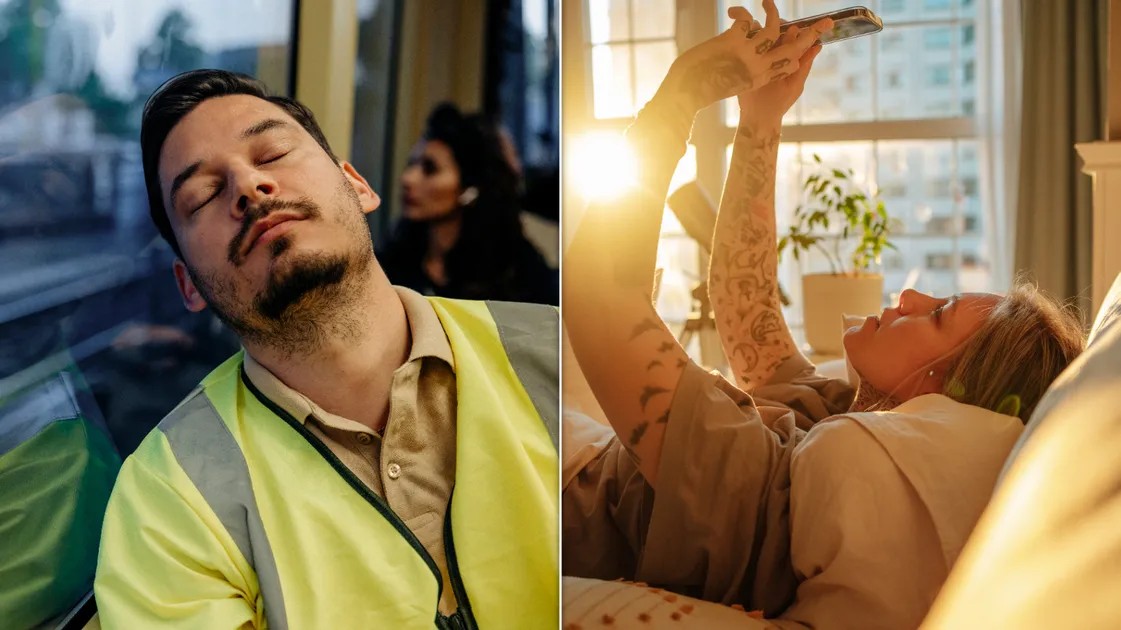
The House of Representatives just voted. They want to stop the biannual clock change. The proposed Sunshine Protection Act locks in daylight saving time forever. It heads to the Senate now. Then maybe to Trump’s desk. He likes the idea.
Doctors hate it.
Sleep experts agree the twice-yearly shuffle is a mess. But forcing the country onto daylight saving time permanently? Most medical professionals say no. The science points elsewhere. Standard time is better. Much better.
Dr. Joanna Fong-Isariwanyongse puts it simply at the University of Pittsburgh. Switching clocks twice a year feels wrong. But locking us into daylight saving time ignores how human bodies actually work.
“Our body doesn’t actually run on the clock мы set, it runs on the sun.”
Зміст
How Circadian Biology Dictates The Best Clock Time
Your cells have internal timers. Morning light triggers them. That light signals the brain that the day has begun. It starts the engine. The goal? Align noon with the sun at its peak.
When the clock drifts away from the sun, your body fights it. Every day. Standard time aligns closest to solar noon. Daylight saving time pushes it out of sync.
The American Academy of Sleep Medicine is clear. Permanent standard time supports health and safety. Daylight saving time carries hidden harms. Dr. Randy Nelson at West Virginia University notes the divide. Business leaders love late sunsets. The public likes them too. Scientists want standard time.
So which option actually wins on health?
Permanent standard time beats both the status quo and permanent daylight saving. A Stanford University study compared them directly. Permanent standard time showed lower risks of stroke and obesity. It also outperformed permanent DST for mental health markers.
Fong-Isariwanyongsee explains the mechanism. Daylight saving pushes sunrise later. For the whole winter. Your body misses that critical morning light cue.
“To take it away for months… you will get shorter, more disrupted sleep.”
Result? More anxiety. More depression. The winter blues hit harder because we lose our biological wake-up signal.
Why Teens Are At Higher Risk With Late Sunrises
This hits young people the hardest. Why? Biology.
Adolescents are wired to sleep later. Wake later. It is not laziness. It is developmental fact. Schools already start too early. Kids operate on a chronic sleep deficit. Add dark morning commutes on top of that.
Imagine sending teenagers to bus stops before the sun rises. Months of it. Their bodies are not primed to be alert then.
The stakes go beyond bad grades. We talk about mental health. Safety on crosswalks. Alertness while walking home in the dark. Dr. Fong-Isariwanyongs sees these issues stacking up.
In Chicago, winter sunrise hits close to 8:20 AM. In NYC, 8:15 AM. Northern US regions might wait until 9:00 AM or later for light. Kids are in classrooms by then. Commuters are in offices.
Standard time solves this. Winter sunsets are earlier yes. Evening outings suffer. But mornings become survivable. Solar alignment improves. Sleep quality rebounds.
Did The US Ever Try Permanent Daylight Saving Time?
We have done this before. And failed fast.
During the 1970s energy crisis Congress tried it. The year was 1974. Initially people liked it. More evening light seemed nice. Then winter came.
Dark mornings became a problem. Parents worried about kids trudging to school in the blackness. Safety concerns mounted. The support dropped sharply. Congress repealed it within a year.
Dr. Nelson calls it a safety issue. We are trying the same experiment now. Ignoring history does not change the physics of sunrise.
Why Businesses Push For Dark Mornings
So why is the House voting for daylight saving time?
Follow the money. Golf courses love it. Travel industries prefer it. Outdoor dining needs light after five PM. Even Donald Trump has golf courses in his portfolio. His interest is clear.
Business groups lobby for late sunsets. They promise productivity. They promise leisure time.
Sleep medicine organizations argue this trade-off costs more in health crises than it gains in commerce. Stroke rates rise. Obesity increases. Depression deepens.
The choice seems simple on paper. Late sunsets vs early sunsets. Convenience vs biology.
Science keeps picking the same winner. Standard time. Aligning our clocks with the sun makes our bodies function. Daylight saving forces a mismatch that ripples through our physiology all winter.
The bill sits in the Senate now. Will they listen to the cells or the CEOs?