




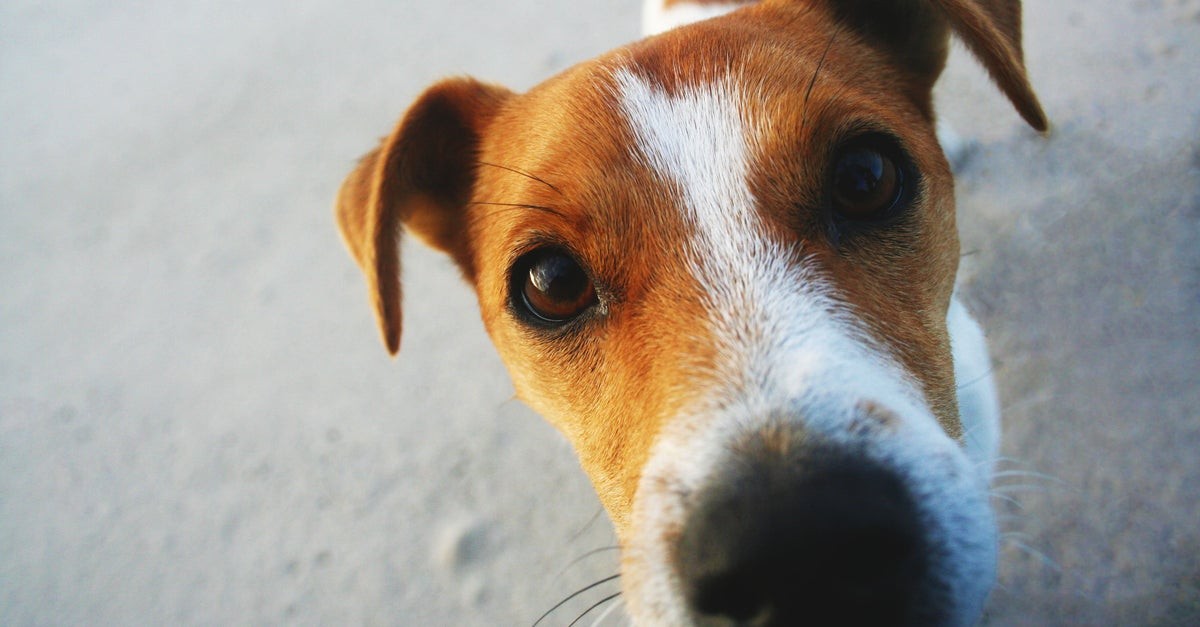
Dogs have an extraordinary sense of smell—hundreds of times more sensitive than humans—and they use it to gather information about the world. This means they can detect subtle changes in human scent, including those associated with menstruation. Here’s what science and animal behaviorists say about why your dog might be extra interested in sniffing when you’re on your period.
Зміст
The Power of Canine Smell
Dogs don’t experience the world like we do; their primary sense is smell. They have roughly 300 million scent receptors in their noses, compared to the 5 million in humans. This allows them to detect chemicals and pheromones we can’t even perceive.
Animal behaviorist Kate Mornement explains, “Dogs experience their world predominantly through their sense of smell. When a woman is on her period, she probably just smells different, which is interesting to the dog.” Dogs are even used in medical detection, accurately identifying conditions like cancer and migraines through scent.
Pheromones and Hormonal Changes
During menstruation, women release pheromones—chemical signals that dogs can detect. These pheromones contain information about reproductive status, which is highly relevant to a dog’s instinctive understanding of social dynamics.
Animal trainer Kirstin McMillan notes that dogs use scent-sniffing as an “information-seeking session.” She adds, “When a woman is menstruating, there are pheromones coming off.” The groin area is a concentrated source of these pheromones in humans, making it a natural focal point for a dog’s investigation.
Biological Mechanisms
Dogs possess a vomeronasal organ (Jacobson’s organ) that detects pheromones, providing crucial information about another individual. This is why dogs sniff genitals and anal areas to assess reproductive status and dominance.
McMillan points out that dogs may even detect testosterone levels, leading to territorial or aggressive behavior in intact males. Similarly, female dogs may sniff other females to gauge fertility, assessing potential competition. “Imagine a young woman in her childbearing years. In some ways, that poses a threat to another woman,” McMillan says. “As humans, we just pretend we don’t care, but dogs actually do.”
Which Dogs Are More Likely to Sniff?
Larger, medium-to-large dogs are more likely to engage in opportunistic sniffing due to their size and reach. Trained dogs may exhibit less interest, as they’ve been conditioned to greet politely. However, even well-trained dogs can still detect hormonal changes.
Scent hounds like bloodhounds and basset hounds, with their superior olfactory capabilities, are particularly sensitive to these scents.
The Tampon Issue: A Cautionary Tale
Dogs are also drawn to the scent of used tampons, often retrieving them from trash cans. This behavior is dangerous; swallowing a tampon can cause a fatal blockage, especially if it’s not torn apart first. If your dog ingests a tampon, induce vomiting and contact a vet immediately.
Conclusion
Your dog’s increased sniffing during your period isn’t about disrespect; it’s a natural response to biological signals. Dogs perceive the world through scent, and hormonal changes associated with menstruation are detectable and intriguing to them. While annoying, this behavior is a testament to the incredible power of the canine nose.