


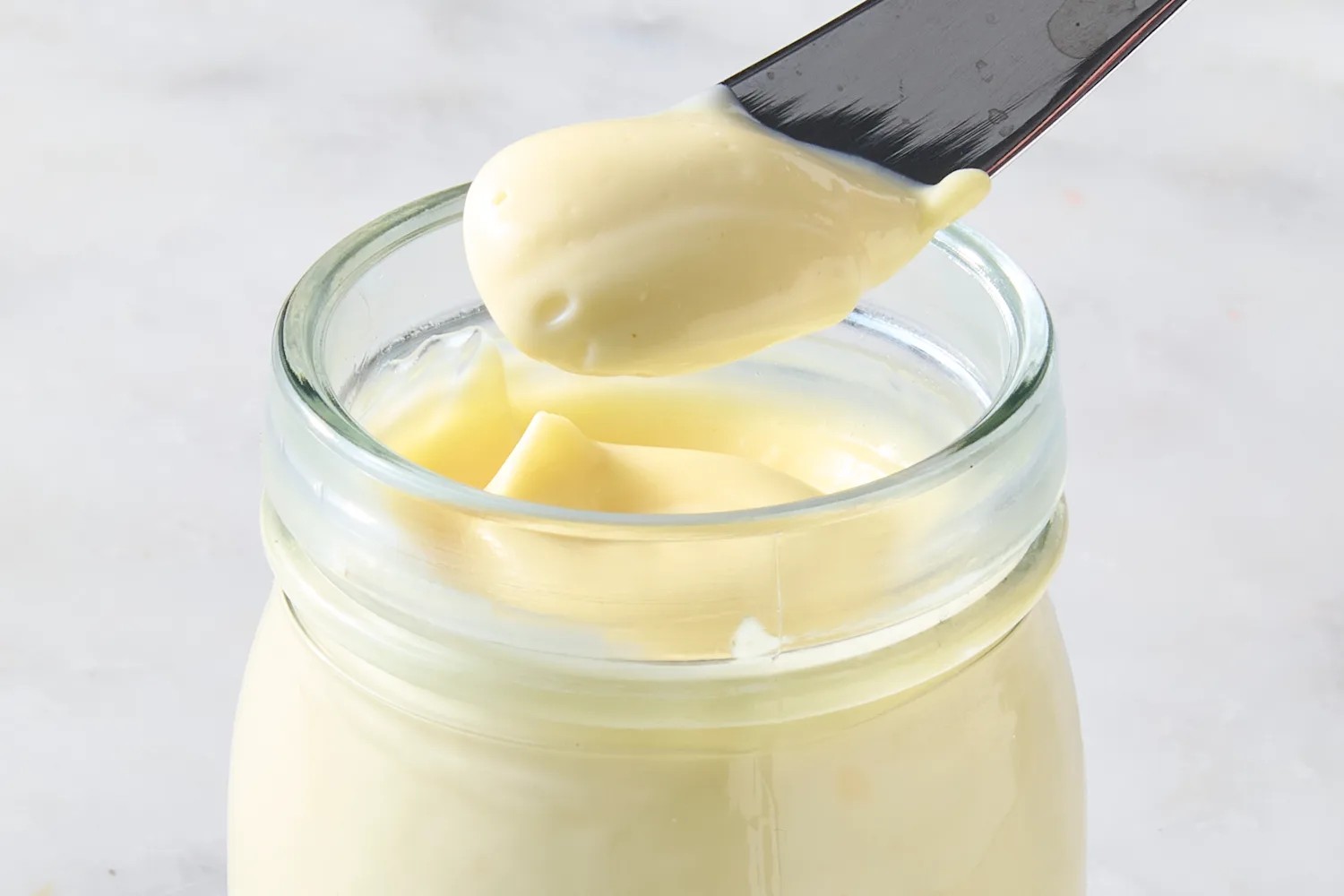
Making mayonnaise at home is surprisingly simple, yielding a richer, fresher flavor than store-bought versions. Whether you’re a kitchen novice or a seasoned cook, this guide walks you through four distinct methods – food processor, immersion blender, standard blender, and even whisking by hand – to achieve the perfect creamy consistency.
Зміст
Why Make Mayonnaise From Scratch?
The benefits are clear: superior taste, complete control over ingredients, and zero waste. Many store-bought brands contain unnecessary additives, while homemade mayonnaise relies on just a few core components: egg, oil, acid (lemon juice or vinegar), and seasoning. The result is a vibrant, silky condiment that elevates everything from sandwiches to salads.
The Science of Emulsification
Mayonnaise creation hinges on emulsification – the process of combining oil and water-based liquids (egg, lemon juice) that naturally repel each other. The egg yolk acts as an emulsifier, stabilizing the mixture. The trick is to introduce the oil slowly at first, breaking it into tiny droplets that suspend evenly throughout the liquid. As more oil is added, the mixture thickens, transforming into the creamy delight we all know. Patience is key; rushing the process can lead to a broken, separated emulsion.
Four Methods for Homemade Mayonnaise
Each technique offers trade-offs in terms of effort, texture, and color.
- Food Processor: This method produces the thickest, whitest mayonnaise, ideal for those who prefer a robust texture. The processor’s consistent power ensures thorough emulsification.
- Immersion Blender: The fastest and easiest option. Place all ingredients in a tall jar, insert the blender, and let it work its magic. The immersion blender’s design efficiently incorporates the oil, allowing you to store the finished mayonnaise directly in the jar.
- Blender: Similar to the food processor method, but can be messier. A double batch is recommended to ensure sufficient liquid covers the blades. The result is a thick, white mayonnaise with minimal effort.
- By Hand: The most labor-intensive, requiring consistent whisking. This yields a thinner, more yellow mayonnaise – still delicious, but less visually striking.
Step-by-Step Instructions
Regardless of your chosen method (except immersion blending), the core process remains the same:
- Combine base ingredients: Blend or whisk together one pasteurized large egg, 2 teaspoons lemon juice, 1 teaspoon Dijon mustard, and ½ teaspoon salt until smooth.
- Initial oil incorporation: Add oil drop by drop while blending or whisking constantly. This initial phase is crucial for establishing the emulsion.
- Steady oil stream: Once the mixture begins to thicken, gradually increase the oil flow to a thin, steady stream until fully incorporated. Scrape down the sides as needed to ensure even blending.
Troubleshooting: Fixing Broken Mayonnaise
If the emulsion fails and the mixture separates, don’t panic. Whisk another egg yolk with 1 teaspoon water, then gradually whisk in the broken mayonnaise until it recombines.
Storage and Shelf Life
Store homemade mayonnaise in an airtight container in the refrigerator for up to 5 days. Freezing is not recommended, as it will break the emulsion.
In conclusion, homemade mayonnaise is a rewarding culinary project that unlocks superior flavor and freshness. By following these methods and understanding the science behind emulsification, you can create a condiment that elevates your meals to the next level.