




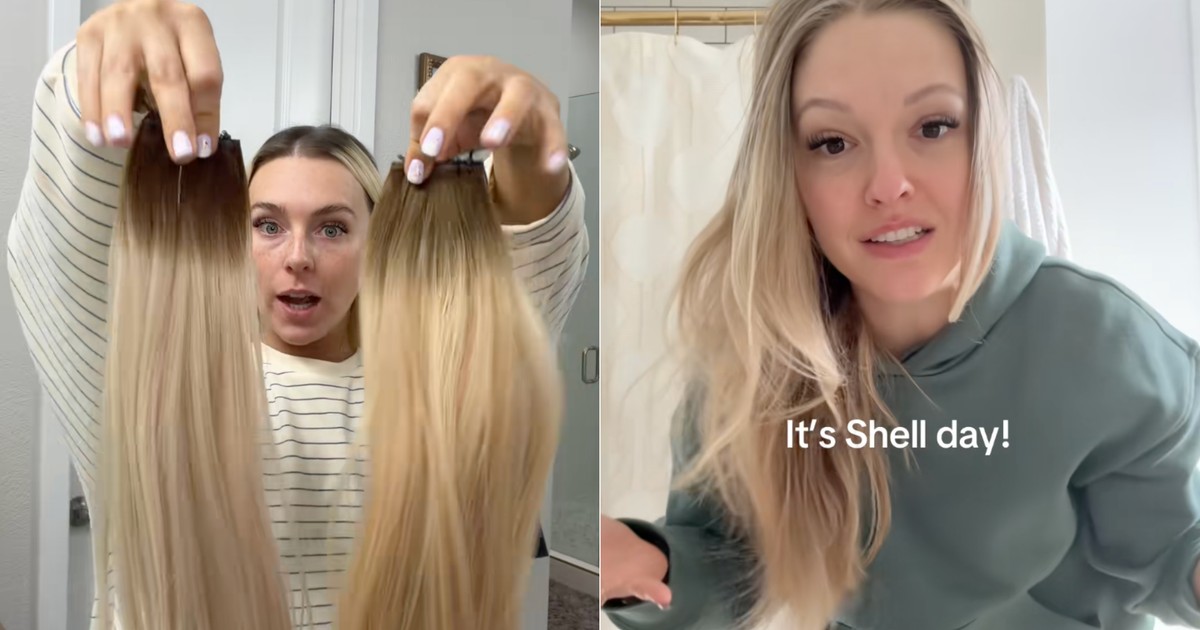
A new trend on TikTok, dubbed “shell day,” highlights a growing shift among Gen Z women: makeup isn’t an everyday necessity. Unlike previous generations, many young women now openly discuss and demonstrate the intensive effort behind “glammed up” looks, contrasting it with comfortable days spent bare-faced. This trend is unfolding alongside a backlash from some men online, who accuse women of “catfishing” through makeup use.
Зміст
The “Shell Day” Phenomenon
The “shell day” concept, popularized by TikTok creator Serena Neel, involves a full-scale beauty transformation: extensions, self-tanner, elaborate makeup. Neel describes it as “upgrading your shell,” acknowledging the work required to achieve a polished appearance. Other women echo this sentiment, framing the practice as a deliberate choice rather than an obligation.
This trend is not just about vanity. It’s about transparency. Creators like Neel openly show the hours of labor involved in a “flawless” look, debunking the myth of effortless beauty. They also highlight the freedom to choose: embracing makeup on “shell days” while remaining comfortable without it the rest of the week.
A Generational Shift in Beauty Standards
Data supports this change. A 2024 YouGov poll found only 6% of Gen Z women wear makeup daily, a stark contrast to older generations. Sociologists suggest this reflects a broader renegotiation of beauty norms.
Young women are embracing a more flexible approach, prioritizing authenticity and self-direction. They’re not rejecting beauty entirely, but they’re redefining it on their own terms. This includes practices like “clean girl makeup” (minimal enhancement) and investing in long-lasting treatments like lash extensions to minimize daily effort.
The Backlash: Men Accuse Women of Deception
Ironically, this shift is happening as some men online aggressively criticize women for wearing makeup. Viral posts accuse women of “catfishing” men by presenting an idealized image they claim is deceptive. Examples include harsh reactions to photos of celebrities like Sydney Sweeney and Margot Robbie without makeup.
This hostility underscores a deeper issue: the expectation that women should conform to unrealistic beauty standards and be transparent about their appearance. The contrast between Gen Z’s evolving relationship with makeup and this backlash reveals a widening generational gap in attitudes towards feminine presentation.
The Labor Behind “Effortless” Beauty
Experts point out that even the “effortless” beauty trend requires significant time and money. The “shell day” videos expose the labor hidden behind the illusion of natural perfection. It’s not about abandoning beauty standards; it’s about acknowledging the effort involved in meeting them.
The trend operates within strict beauty norms. The freedom to forgo makeup daily exists because of the hours spent beautifying on “shell days.” This highlights a paradox: the illusion of choice is built on a foundation of intensive self-improvement practices.
In conclusion, Gen Z is rewriting the rules of beauty. Makeup is no longer an obligation but a deliberate performance. This shift is happening alongside a disturbing backlash from some men, who see makeup as deception rather than self-expression. The trend exposes the labor behind “effortless” beauty and underscores the complex relationship between societal expectations and personal choice.