




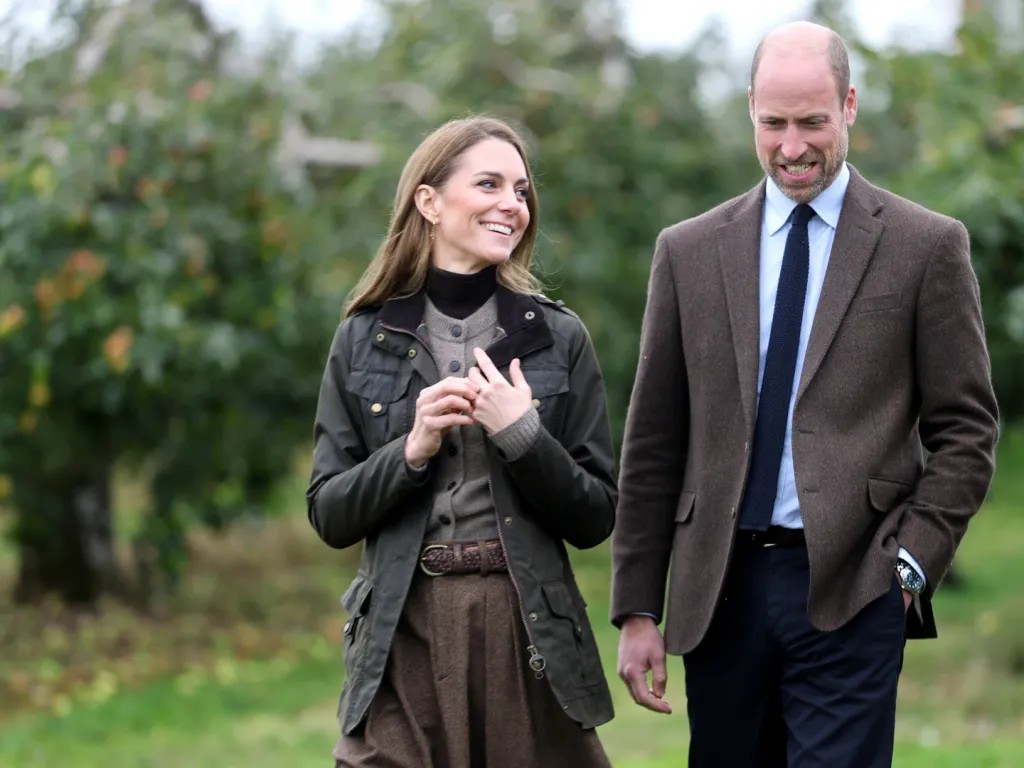
The carefully cultivated image of Prince William and Kate Middleton as relatable and accessible royals is facing increasing scrutiny as public criticism grows over their handling of recent scandals. While the couple has continued with public engagements, including appearances at the BAFTA Awards and St. Patrick’s Day celebrations, their response to the ongoing fallout from Prince Andrew’s involvement in the Jeffrey Epstein case has been perceived as inadequate.
Growing Dissatisfaction Across Generations
The royals’ perceived detachment is particularly evident among younger generations, Gen A and Gen Z. These demographics, shaped by economic hardship and social awareness, view William and Kate as beneficiaries of unearned privilege rather than as dynamic leaders. According to The Independent, this perception stems from a lack of accountability within the royal family, where members like Prince Andrew have faced minimal consequences for serious allegations.
This generational disconnect is significant. Younger audiences expect transparency and accountability, especially in the wake of scandals that involve abuse and exploitation. The royals’ failure to meet these expectations risks further eroding trust and support.
Tone-Deaf Approach to Crisis Management
Even traditionally supportive media outlets, such as The Daily Mail, have criticized the couple’s response as “tone-deaf roboticism.” The brief statement issued by their spokesperson – expressing “deep concern” for victims – has been seen as insufficient given the gravity of the situation.
Liz Jones, a columnist for The Daily Mail, pointed out the hypocrisy of the couple’s “down-with-the-people routine” when it clashes with their silence on family misconduct. This perception of insincerity undermines their efforts to appear relatable and engaged with public concerns.
Colonial Legacy and Anti-Monarchist Pressure
The criticism extends beyond the Epstein scandal to broader issues of privilege and colonial legacy. Their 2022 Caribbean tour was criticized as a “throwback to colonialism” by local campaigners, highlighting the historical context that underpins royal authority.
Adding pressure, the anti-monarchist group Republic is actively calling for an inquiry into the royal household’s secrecy, spending, and past misconduct. Led by Graham Smith, the group argues that the palace’s silence on these issues perpetuates impunity and disrespects victims of abuse.
The palace faces a growing challenge: the demands for transparency and accountability are unlikely to subside. Without meaningful action, the royal family risks further damaging its reputation and losing public support.
The time for decisive action may be now if William and Kate hope to salvage their image and secure the future of the monarchy.