
For many, eye makeup is a daily ritual used to enhance expression and confidence. However, for others, it can lead to a distressing cycle of redness, swelling, and irritation. Medical professionals are increasingly seeing the fallout of cosmetic use in their clinics, ranging from chronic dryness to localized infections.
The good news is that you don’t have to abandon your beauty routine. By understanding how makeup interacts with your eye anatomy and choosing the right products, you can maintain your aesthetic while protecting your sight.
The Science of Irritation: How Makeup Affects the Eye
To understand the risks, it is essential to recognize that the eye is a delicate biological system. A healthy eye relies on a tear film —a three-layered shield consisting of oil, water, and mucus—to lubricate the surface and maintain clear vision.
When makeup is applied improperly or contains certain ingredients, it can disrupt this system in four primary ways:
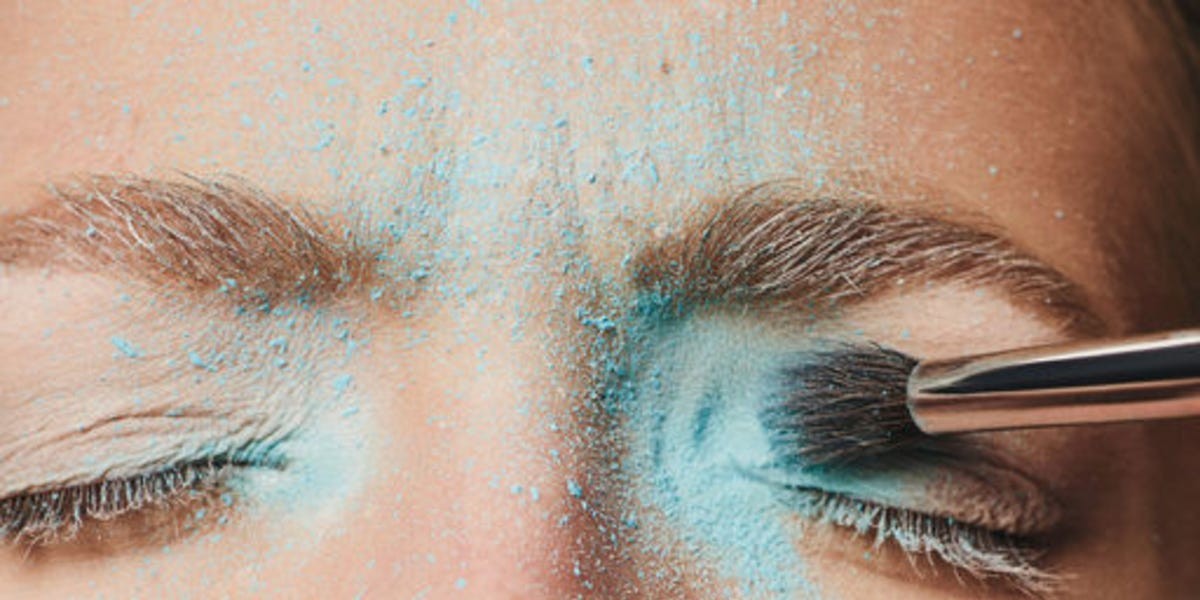
- Physical Trauma: Accidental poking during application or loose particles (like eyeshadow dust) can scratch the cornea or become lodged in the conjunctiva. In extreme cases, improper removal can lead to significant buildup of product within the eye tissue.
- Gland Blockage: Techniques like “tight-lining” (applying liner to the waterline) can clog the meibomian glands. These glands produce the essential oil layer of your tear film; when they are blocked, tears evaporate too quickly, leading to dry eye disease and inflammation known as blepharitis.
- Chemical Sensitivity: Certain preservatives and fragrances can trigger conjunctivitis (inflammation of the membrane covering the white of the eye), resulting in itching, swelling, and redness.
- Bacterial Infection: Expired products lose their ability to inhibit microbial growth. Using old mascara or unwashed brushes can introduce bacteria into the eyelid, causing painful styes or more serious infections.
Navigating the Label: What to Look For
Because the FDA only partially regulates cosmetics, the burden of safety often falls on the consumer. “Marketing hype” is common, so looking for specific clinical markers is vital.
1. Prioritize Ophthalmologist-Tested Brands
Look for brands that specifically test their formulas on sensitive eyes and contact lens wearers under medical supervision. These products are designed to minimize the risk of allergic reactions and irritation.
2. Scrutinize the Ingredients
Certain chemicals are notorious for causing ocular discomfort. To protect your eyes, try to avoid:
* Benzalkonium chloride (BAK): A common preservative that can cause dryness and surface damage.
* Parabens: Such as methylparaben or propylparaben.
* Formaldehyde-releasing agents: Including quaternium-15 and DMDM hydantoin.
* Fragrances: These are frequent culprits for eyelid irritation.
Instead, look for gentler alternatives like sodium benzoate or ethylhexylglycerin .
3. Consider the Format
The physical state of your makeup matters as much as the ingredients.
* Cream vs. Powder: Cream shadows generally pose a lower risk of “fallout,” where loose particles fly into the eye.
* Waterproof Formulas: While convenient, waterproof products are often harder to remove and more likely to clog the meibomian glands.
The Golden Rules of Eye Hygiene
Even the safest products can become hazardous if your habits are poor. To maintain eye health, follow these professional guidelines:
- Respect Expiration Dates: Liquid products like mascara and eyeliner should ideally be replaced every three months.
- Sanitize Your Tools: Wash makeup brushes and sponges at least every two weeks to prevent bacterial buildup.
- Never Sleep in Makeup: Removing all products every night is non-negotiable to prevent clogged pores and styes.
- Don’t Share: Swapping eye products is one of the fastest ways to spread infections between individuals.
The Bottom Line: Eye health and beauty are not mutually exclusive. By choosing ophthalmologist-tested formulas, avoiding harsh preservatives, and maintaining strict tool hygiene, you can enjoy your favorite looks without compromising your vision.