




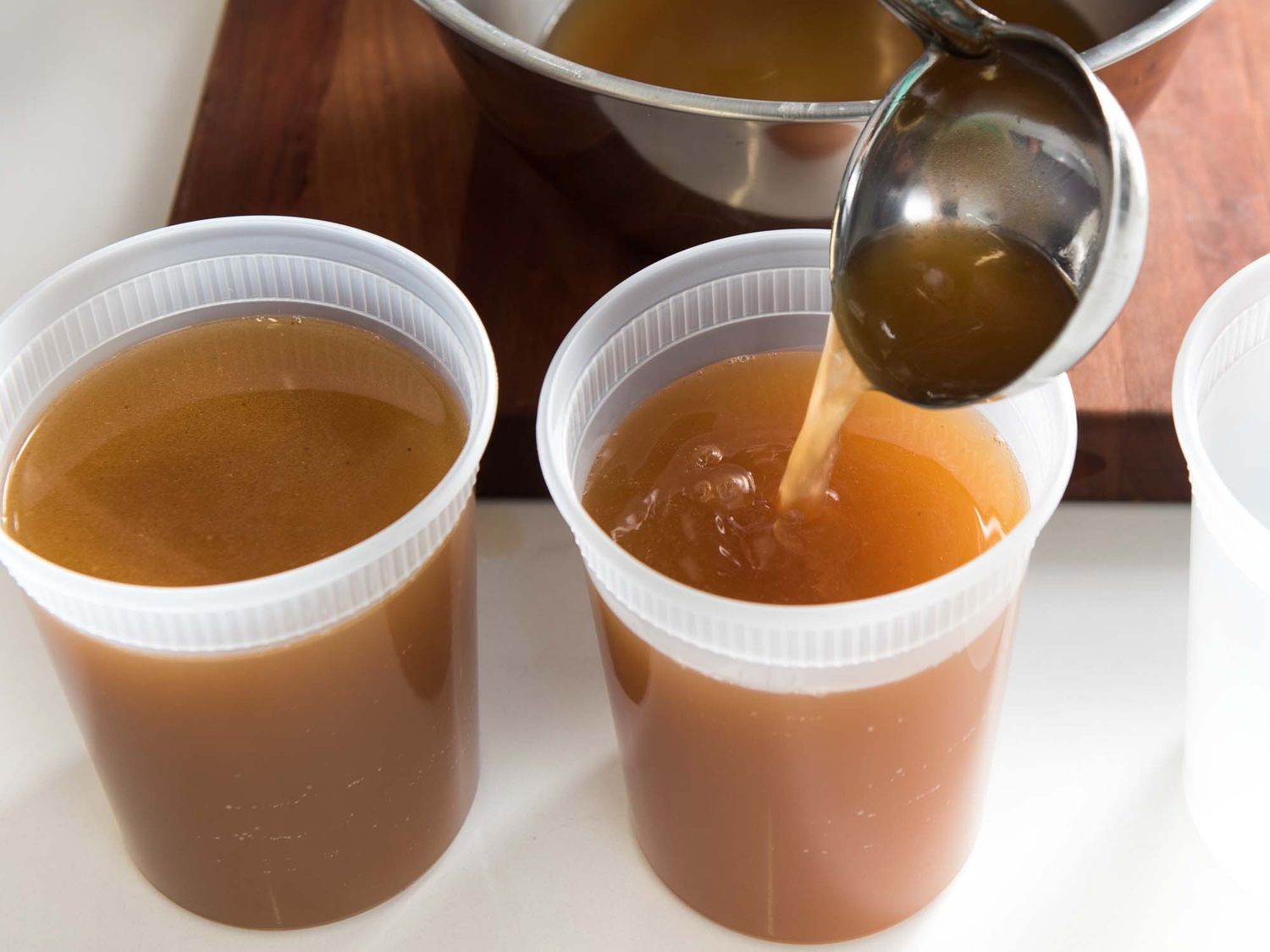
For cooks, the terms “chicken stock” and “chicken broth” are often used interchangeably, leading to confusion in the grocery aisle and beyond. Both liquids form the base of countless soups, stews, and sauces, but they aren’t the same. Understanding their differences – especially in a professional context – is crucial for achieving the best results in the kitchen.
Зміст
The Classical Distinction: Bones vs. Meat
Traditionally, the difference between stock and broth boils down to the ingredients used. Chicken stock is made from bones, which release collagen when simmered, creating a viscous, gelatin-rich liquid. When chilled, true stock will wobble and set partially due to this gelatin content. Broth, on the other hand, is made primarily from meat, resulting in a lighter, more fluid consistency. This isn’t just semantics; the presence of gelatin significantly impacts texture and function.
Why Gelatin Matters
Gelatin isn’t just about texture; it’s a key component in building rich sauces and glazes. The silky body of stock makes it ideal for pan sauces (like chicken marsala) or creamy soups (like avgolemono). The gelatin binds the sauce, giving it a velvety mouthfeel.
However, gelatin can interfere with starches. When cooking rice, pasta, or potatoes, excessive gelatin can prevent the granules from properly hydrating, leading to a gummy texture. In these cases, broth – with its lighter body – is the preferred choice.
Seasoning and Culinary History
Traditionally, French cuisine dictates that broths are seasoned after straining, ready for immediate enjoyment. Stocks, however, are intentionally left unseasoned, acting as a building block for more complex dishes where salt control is essential. This approach stems from historical necessity: early restaurant chefs discovered that making stock from bones and scraps was far more efficient than wasting meat just for sauce drippings.
Store-Bought Confusion
Unfortunately, the clarity of these distinctions dissolves when you reach the supermarket. The USDA allows manufacturers to label products as either “stock” or “broth” at their discretion. This means many store-bought options labeled as “stock” are actually closer to broth in consistency and flavor. If you want true, gelatin-rich stock, making it at home is the best option.
Substitution: Proceed with Caution
While substitutions aren’t ideal, they’re sometimes necessary. If a recipe calls for stock but you only have broth, you can add gelatin to thicken it. Conversely, you can dilute stock with water to achieve a broth-like consistency.
Ultimately, pragmatism prevails in the kitchen. Choose the liquid that best suits the dish’s intended texture and flavor profile, and don’t be afraid to adapt when needed.
The core principle is understanding why each liquid behaves as it does. Whether you’re aiming for a silky pan sauce or perfectly hydrated rice, choosing between stock and broth – and knowing what you’re actually getting – will elevate your cooking.