





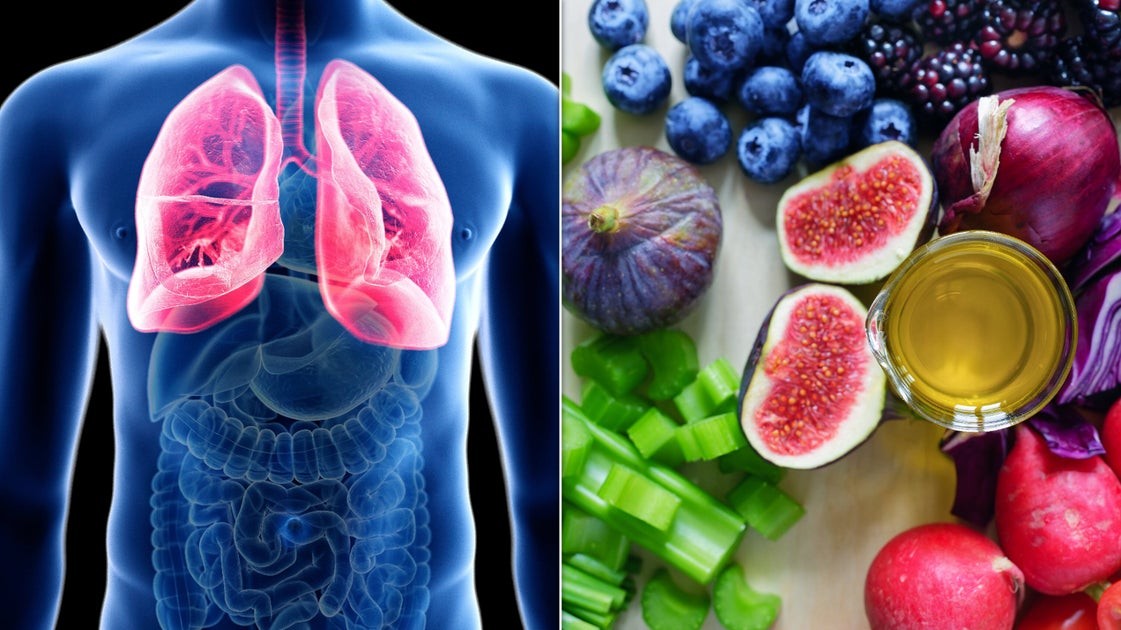
A recent study from the University of Southern California (USC) has uncovered a perplexing trend: a group of young lung cancer patients—most of whom had never smoked—appeared to follow much healthier dietary patterns than the average American.
While the findings do not suggest that nutritious foods are inherently dangerous, they have sparked a scientific debate regarding potential hidden environmental risks that might be linked to high produce consumption.
Зміст
The Study: Healthy Eating vs. Lung Cancer Risk
Researchers focused on 187 lung cancer patients under the age of 50. Unlike traditional lung cancer cases often linked to long-term smoking, these patients presented with a biologically distinct form of the disease.
The data revealed a striking trend:
– Higher Nutrition Scores: The participants had an average Healthy Eating Index (HEI) score of 65/100, significantly higher than the national average of 57.
– Dietary Habits: These patients consumed more fruits, vegetables, and whole grains than the typical adult.
– Gender Disparity: Among non-smokers in this age group, women were diagnosed more frequently than men. Notably, the female participants reported even higher consumption of fruits, vegetables, and grains than their male counterparts.
“Our research shows that younger non-smokers who eat a higher quantity of healthy foods than the general population are more likely to develop lung cancer,” said Dr. Jorge Nieva, lead investigator at the USC Norris Comprehensive Cancer Center.
Searching for the “Why”: Pesticides and Environmental Factors
Because the study shows an association rather than direct causation, scientists are looking for external variables that might bridge the gap between a healthy diet and cancer risk.
One primary hypothesis involves pesticide exposure. Fruits, vegetables, and grains are often treated with chemical agents to protect crops. This theory is supported by the fact that agricultural workers, who are frequently exposed to these chemicals, show higher rates of lung cancer.
However, several complexities remain:
– The “Washing” Myth: Many consumers believe washing produce removes toxins, but many insecticides are designed to be “sticky” and resistant to rain or rinsing.
– Peel vs. No Peel: This raises questions about whether eating peeled fruits (like oranges) offers more protection than eating skin-on produce (like apples).
– Global Context: The study was conducted in the U.S., but similar cases are appearing in Europe, where pesticide regulations are significantly stricter.
Critical Limitations and Scientific Skepticism
Experts urge caution when interpreting these results. Dr. David Carbone, a leading lung cancer researcher at Ohio State University, highlights several reasons why these findings should be viewed as “signals” rather than definitive proof:
- Correlation is not Causation: A healthy diet does not necessarily cause the cancer; it may simply be a characteristic of this specific demographic.
- Selection Bias: People who volunteer for clinical research studies are often more health-conscious than the general public, which may skew the data toward “healthier” diets.
- Lack of Direct Testing: The study used estimated pesticide exposure levels rather than testing the patients’ blood or urine for actual chemical traces.
- Small Sample Size: As an exploratory study, the results may not apply to the broader global population.
Conclusion
While the link between high produce consumption and lung cancer in young non-smokers is currently an unproven hypothesis, it highlights a critical need for further research into environmental toxins. Scientists must now determine if the risk lies in the food itself, the chemicals used to grow it, or if other unmeasured factors are at play.