



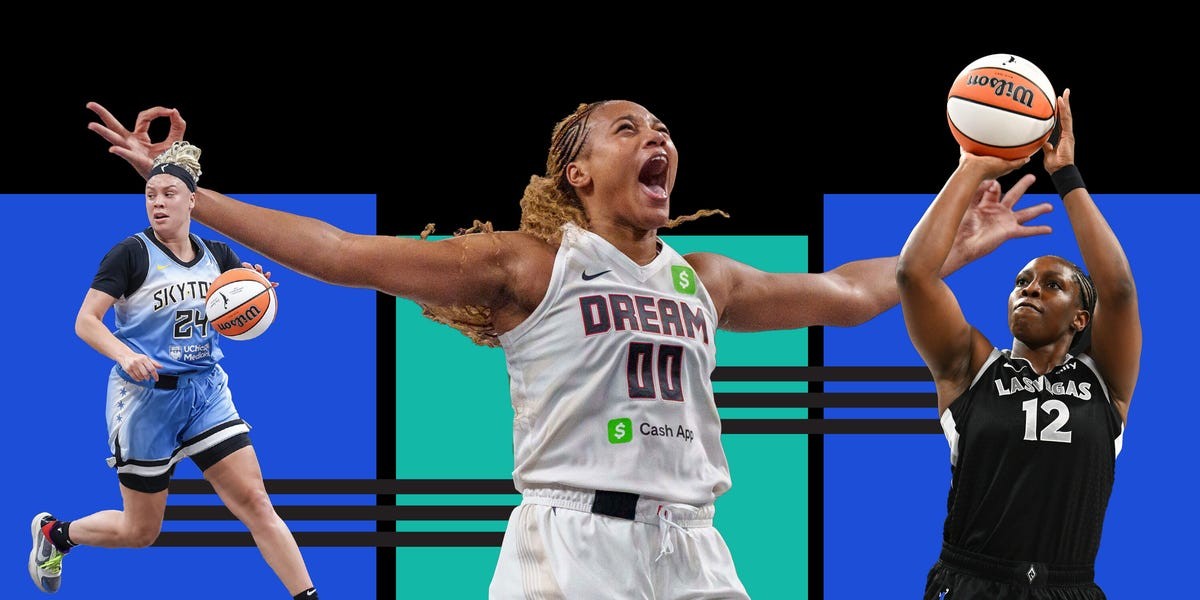
The WNBA stands at a pivotal moment: record growth in viewership, attendance, and media deals – a $2.2 billion contract – coincides with critical negotiations for its next Collective Bargaining Agreement (CBA). The league’s expansion and rising valuations are undeniable, but whether this success will translate into meaningful benefits for the players remains uncertain. A deal must be reached by March 10 to avoid a potential strike or lockout that could delay the May 8 season tipoff.
The Stakes: Revenue, Respect, and the Future of the League
Players have opted out of the previous agreement, recognizing that the business of the WNBA has fundamentally changed. The central issue is revenue sharing: currently, players receive less than 10% of league revenue – far below the NBA’s approximately 50% split. The WNBPA is pushing for around 26%, while the league has countered with an offer equating to under 15% after expenses. This dispute isn’t about charity; it’s about recognizing the players’ role in driving the league’s success.
As Chelsea Gray, Las Vegas Aces guard, stated, “We’re doing everything to grow this game… and somehow we’re still fighting to be valued for the work we put in.” The league’s financial arguments center on risk aversion, but players insist that the offer doesn’t reflect the league’s growth or their contributions.
Beyond Paychecks: Essential Improvements for Players
The negotiations extend beyond salaries. The WNBPA is advocating for:
- Stronger Protections for Mothers and Families: Including improved per diems for nursing mothers, family-friendly housing options, and dedicated nursing spaces in facilities.
- Long-Term Benefits for Retired Players: Ensuring financial security and recognition for veterans who helped build the league.
- Higher Standards for Practice Facilities: Professional-grade training environments that reflect the athletes’ status.
- Charter Flights: Ensuring players have comfortable and efficient travel options.
These demands aren’t just about luxury; they’re about creating a sustainable, professional environment that supports players both on and off the court.
A United Front: Players Demand Transformation
The solidarity among WNBA players is unprecedented. A strike authorization passed overwhelmingly in December, signaling the depth of frustration and determination. However, no one wants to disrupt the league’s momentum. Players are unified in their desire for a “transformational” CBA that reflects their value.
Naz Hillmon, Atlanta Dream forward, emphasized that this fight isn’t just about current players. “We have some greats who have not necessarily been compensated based on what they brought to this league… We just want it to be a great league where players are paid fairly and correctly.”
What’s on the Table: Numbers and Priorities
The league has proposed average pay increases from $120,000 to over $500,000 by 2026, with top contracts potentially reaching seven figures. However, players argue this is insufficient without a fairer revenue share.
Elizabeth Williams, WNBPA secretary and center for the Chicago Sky, highlighted that “Salary is the priority, yes… Yet if you want the best players on the floor… our bodies have to be prepared at the highest level.”
Players also emphasize the importance of securing long-term benefits for retirees, ensuring those who built the league don’t get left behind. As Chelsea Gray pointed out, “It’s not even just about me… It’s people that retired before me.”
The Bottom Line: A Defining Moment for Women’s Basketball
The WNBA CBA negotiations represent a defining moment for women’s basketball. The league has grown exponentially, and players are demanding a partnership that reflects their contributions. A strike or lockout would be damaging, but the impact of a fair and equitable agreement could be even greater, setting a new standard for professional women’s sports. The future of the league – and the message it sends to aspiring athletes – hangs in the balance.