




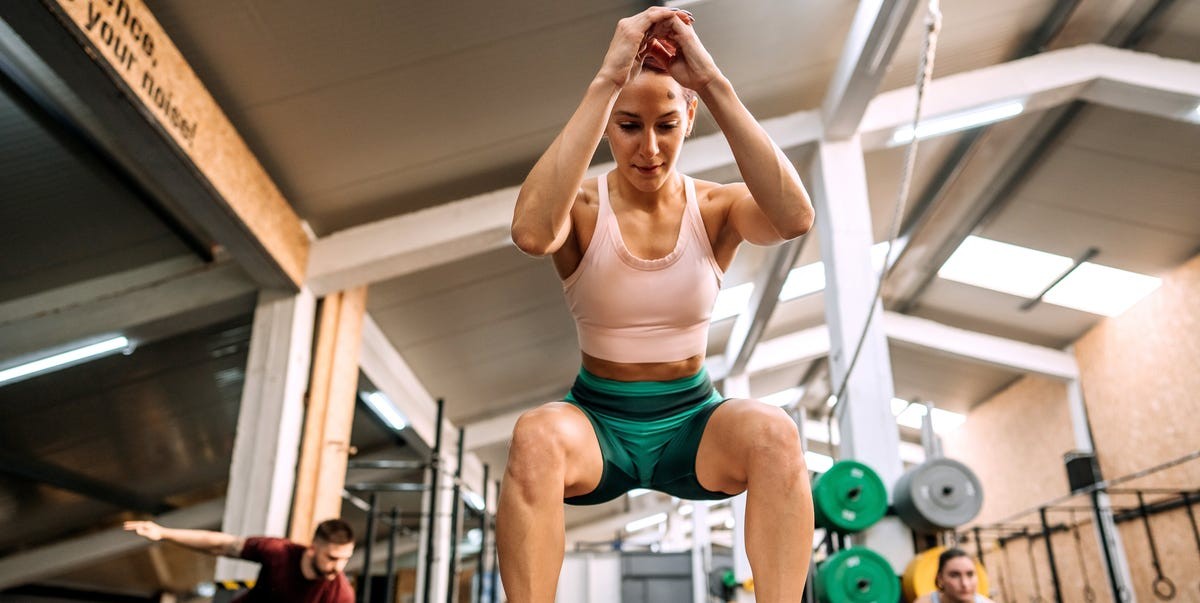
For decades, women, especially those over 40, have been told to avoid high-impact exercise, fearing joint pain or bone fragility. But emerging research and expert consensus are overturning this long-held belief: plyometrics – explosive jumping and impact exercises – are among the most effective ways to protect and even reverse bone loss.
The misconception stems from outdated pseudoscience, but the reality is that bones respond best to rapid, high-impact loading. This isn’t about reckless abandon; it’s about understanding how bone remodeling works.
Зміст
The Science Behind Bone Growth
Our bones aren’t static. They’re living tissue that adapts to stress. When you land from a jump, sensor cells in your bones detect the impact and signal builder cells to lay down new bone. This process is far more stimulated by sharp, forceful loading than by low-impact activities.
A 2023 review in the Journal of Sports Sciences showed that high-impact jumping improved bone mineral density more effectively than non-jumping alternatives. The spine and hips, common fracture sites in women, respond particularly well because they absorb the most force during landing.
Why Women Benefit Most
Women face a higher lifetime risk of osteopenia and osteoporosis, largely due to hormonal shifts during menopause. Estrogen protects bone mass, but as levels decline, bone loss accelerates. Eighty percent of all osteoporosis cases are in women.
Plyometrics address this directly. Unlike traditional strength training, which builds muscle, plyometrics provide the specific stimulus bones need to grow stronger. Combined, these approaches work synergistically. A study in Applied Sciences found that adding jump training to an existing routine improved lower-limb joint health in just 12 weeks.
Integrating Plyometrics Safely
Before diving in, consult a physician to rule out contraindications. If you have pelvic floor dysfunction, a physical therapist can help strengthen those muscles first. The key is gradual progression :
- Start with low-impact prep: Calf raises, heel drops, and small pogo hops build lower-leg resilience.
- Progress to staggered-stance jumps: This challenges balance and stability.
- Introduce explosive movements: Broad jumps, burpee broad jumps, and tuck jumps increase the stimulus.
- Advance to unilateral plyometrics: Single-leg hops demand more control and force production.
- Don’t neglect the upper body: Medicine ball throws and slams engage core and shoulder stability.
Keep volume low (8–12 reps per movement) and prioritize quality over quantity. Proper landing mechanics – soft knees, engaged core – are crucial.
Debunking the Myths
The idea that jumping causes wear-and-tear is false. When done correctly, plyometrics stimulate bone formation, not destruction. The real risk lies in improper progression, poor technique, or underlying musculoskeletal conditions.
Stronger bones, better balance, faster reaction time, and a more resilient body are within reach. Skip, hop, and jump your way to long-term health – it’s not just about fitness; it’s about preserving your ability to move and thrive as you age.