


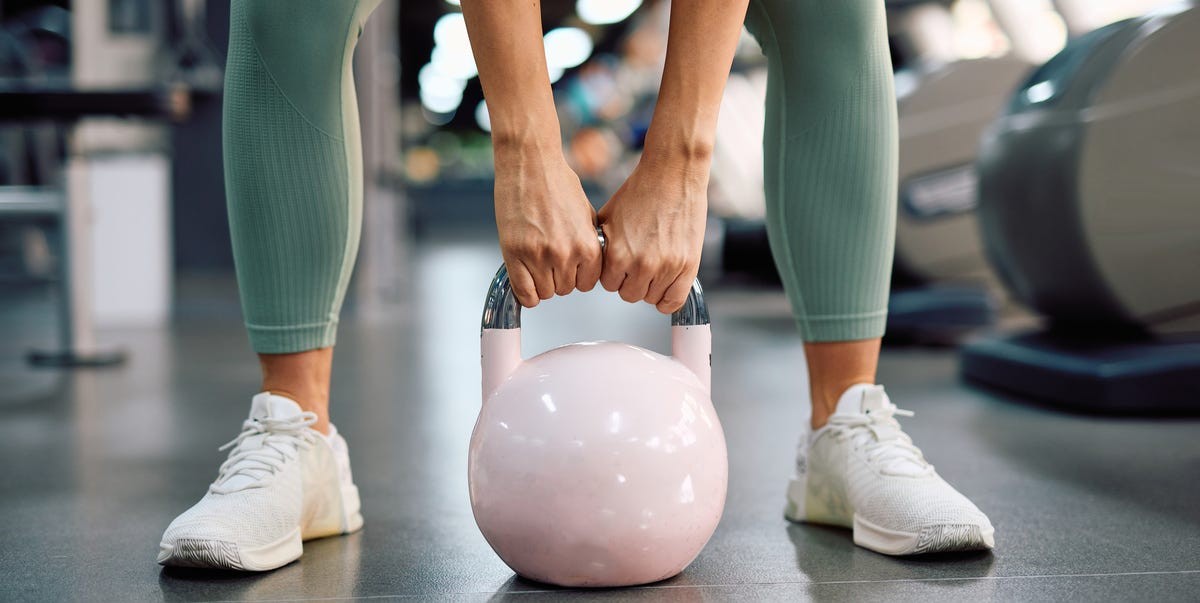
Many women approach fitness with diverse goals, seeking not just aesthetic changes but also improved strength, mental well-being, and functional capacity. Navigating the world of training methods can be confusing, but understanding the core differences between strength training and hypertrophy is crucial for building an effective workout routine.
What’s the Difference?
Strength training focuses on increasing the amount of force your muscles can produce – how much you can lift. Hypertrophy, conversely, centers on growing the physical size of your muscles. Strength training prepares you for everyday tasks like lifting groceries or climbing stairs, while hypertrophy helps achieve a more sculpted, defined physique, whether or not fat loss is a goal.
Combining both approaches is ideal for maintaining lean muscle mass and managing body fat at any age. Muscle loss naturally accelerates with age, particularly after menopause, making consistent resistance training even more important.
Understanding the Mechanisms
The key difference lies in how workouts are programmed. Strength training uses heavier weights with fewer repetitions (typically 3-6 reps per set), emphasizing raw power output. Hypertrophy involves higher repetitions (6-12 reps) with lighter, but still challenging, weights, focusing on muscle fatigue and protein synthesis.
- Strength Training: Heavier loads, fewer reps, performance-driven.
- Hypertrophy: Moderate weights, higher reps, growth-focused.
Choose a weight that challenges you to complete the last one or two repetitions with proper form. Both approaches work synergistically, depending on your specific objectives.
Зміст
The Benefits of Each Approach
Strength Training Benefits:
Strength training builds functional strength, improves bone density, and promotes joint stability. This translates to feeling capable in daily life – lifting children, carrying groceries, and preventing injuries. It’s a foundational element for long-term fitness, especially for beginners.
Hypertrophy Training Benefits:
Hypertrophy emphasizes aesthetics, building muscle size and definition. It also contributes to moderate strength gains and metabolic improvements. As we age, maintaining muscle mass is critical for overall health, and hypertrophy training can help slow down age-related muscle loss.
Which Should You Prioritize?
Start with strength training to build a solid foundation. Focus on compound movements (exercises that work multiple muscle groups simultaneously) to develop overall strength and stability. Once you have a base, incorporate hypertrophy training to refine your physique.
Hypertrophy often uses isolation exercises – movements that target one or two muscle groups at a time. However, don’t abandon the basics. Continue to include compound movements in your routine, prioritizing them at the beginning of your workouts. Working with a qualified trainer can ensure proper form and prevent injuries.
Building Your Workout
Here’s a practical approach to structuring your routine:
- Strength Training First: Begin with heavy compound movements (squats, deadlifts, chest press, overhead press, pull-ups, glute bridges) using 3-5 sets of 3-6 reps, resting 2-3 minutes between sets.
- Hypertrophy Next: Transition to isolation exercises (bicep curls, tricep extensions, lateral raises, hamstring curls, calf raises) using 3-5 sets of 6-12 reps, resting 60-90 seconds between sets.
- Advanced Techniques: Incorporate supersets (back-to-back exercises without rest) or drop sets (reducing weight after failure) to maximize muscle fatigue.
- Cool Down: Always finish with stretching or foam rolling to aid recovery.
Sample Full-Body Workout:
- Strength Block:
- Squats: 4 sets of 5 reps
- Deadlifts: 4 sets of 4 reps
- Overhead Press: 3 sets of 5 reps
- Pull-ups: 3 sets of 5 reps
- Hypertrophy Block:
- Bicep Curls: 3 sets of 10 reps
- Tricep Extensions: 3 sets of 12 reps
- Lateral Raises: 3 sets of 10 reps
- Hamstring Curls: 3 sets of 12 reps
Will Hypertrophy Make Me Bulky?
For most women, hypertrophy training results in a toned, defined physique rather than excessive bulk. Women generally have lower testosterone levels than men, making significant muscle growth more difficult. Diet and genetics also play a major role. To maximize muscle growth, you’d need to consume a caloric surplus (eating more calories than you burn) and ensure adequate protein intake.
Weight Loss & Training
Combining strength and hypertrophy training is optimal for weight loss. Resistance training builds lean muscle mass, which boosts your metabolism – meaning you burn more calories even at rest.
In Conclusion:
Whether you prioritize strength, aesthetics, or overall health, understanding the differences between strength and hypertrophy training allows you to tailor your workouts effectively. A balanced approach, incorporating both methods, will yield the best long-term results.


