



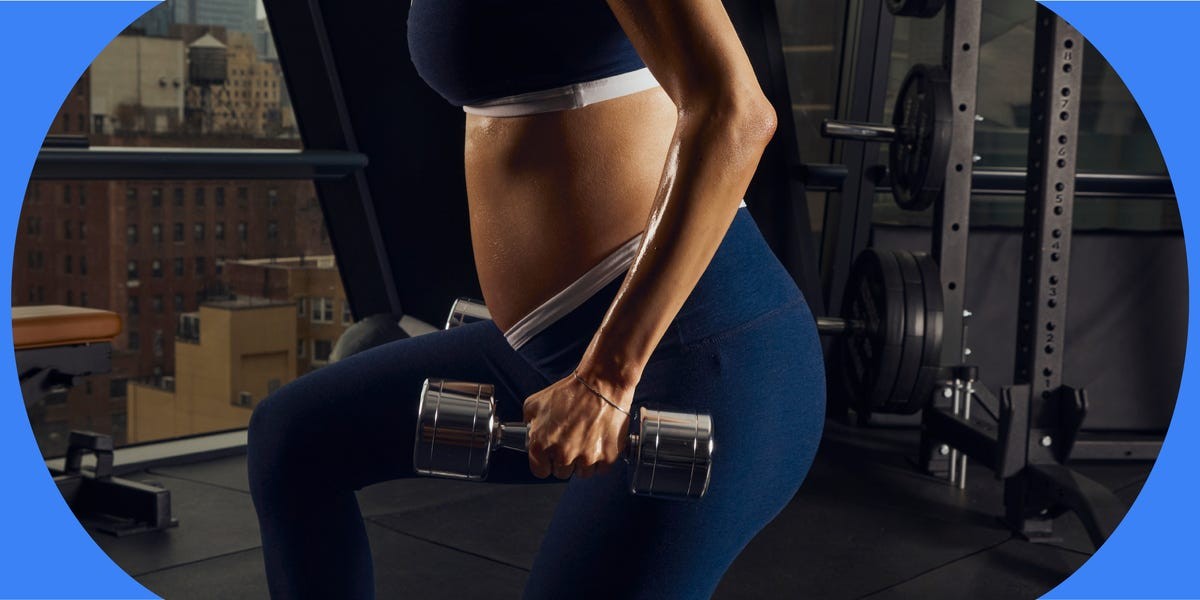
For decades, the standard medical advice for pregnant women was “caution first.” The prevailing wisdom suggested that if you weren’t already active, you shouldn’t start something new, and if you were, you should move with extreme care.
That era of inactivity is over.
Modern medical research has shifted the narrative from “rest” to “resilience.” Evidence now shows that starting a structured exercise routine during pregnancy is not only safe for most women but can significantly reduce the risk of complications and improve the overall experience of both pregnancy and labor.
Зміст
Why Movement Matters: The Benefits of Staying Active
Physical activity during pregnancy is about more than just “staying in shape.” It is a proactive way to manage the physiological shifts occurring in your body. According to maternal-fetal medicine specialists, regular exercise can lead to several key outcomes:
- Reduced Complications: Lowering the risk of gestational diabetes, hypertension, and preeclampsia.
- Better Birth Outcomes: Increasing the likelihood of vaginal delivery and reducing the risk of preterm birth or low birth weight.
- Physical Support: Strength training helps stabilize the body as your center of gravity shifts and your ligaments become more mobile, which can significantly reduce common aches like low-back pain.
- Easier Recovery: Maintaining core strength during pregnancy provides a “head start” for postpartum recovery, making it easier to regain function once the baby arrives.
“Pregnancy doesn’t have to be a time of physical decline. With the right training approach, it can be a time of strength.” — Shannon Ritchey, PT, DPT
How to Start: A Beginner’s Roadmap
If you are starting from scratch, the goal is not to hit peak performance, but to build a foundation of functional strength.
1. The “Low and Slow” Approach
Don’t feel pressured to jump into a high-intensity gym routine.
– Frequency: Start with one total-body workout per week. Gradually add a second or third session as your stamina improves.
– Volume: A good starting point is 2 sets of 10 repetitions.
– Intensity: Aim for “moderate intensity.” On a scale of 1 to 10, you should feel like you are at a 6 or 7. This means the last few reps should feel challenging, but your form should remain perfect.
2. Focus on Functional Movements
Prioritize “compound exercises”—moves that work multiple muscle groups at once. These mimic real-life movements, such as picking up a child or carrying groceries. Focus on:
– Squats (for lower body strength)
– Deadlifts (for posterior chain/back support)
– Rows and Presses (for upper body and posture)
3. Use Progressive Overload
As your body adapts, you must gradually increase the challenge to continue building strength. This can mean adding a few more repetitions, increasing the weight slightly (e.g., 2.5 to 5 lbs), or using resistance bands.
The Golden Rule of Form: If your form breaks down or you feel unstable, the weight is too heavy. If you finish a set and feel like you could easily do three more, the weight is likely too light.
Listening to Your Body: When to Modify or Stop
Pregnancy is an evolving process, and your exercise plan should be, too. You may need to adjust your routine based on how you feel.
🚩 Red Flags to Watch For
If you experience any of the following, decrease the weight or modify the movement:
– Pain or pressure in the pelvic floor.
– Pain or pressure in the abdominal wall.
– Musculoskeletal injuries (knee or back pain).
– Urinary leakage during activity.
Tip: If planks cause abdominal pressure, try an “anti-rotation” exercise like a Pallof press, which is performed standing up and is less gravity-dependent.
🛑 When to Consult a Doctor
While exercise is generally encouraged, there are medical conditions—known as contraindications —that require professional guidance:
– Absolute Contraindications: Conditions like placenta abruption, severe respiratory disease, or certain heart conditions where vigorous activity may be harmful.
– Relative Contraindications: Conditions like placenta previa or nutrient deficiencies where you should discuss specific intensity levels with your provider.
Always seek immediate medical attention if you experience bleeding, contractions during exercise, or sudden shortness of breath.
Conclusion
Exercise during pregnancy is a powerful tool for managing health, supporting labor, and easing postpartum recovery. By prioritizing gentle consistency and listening to your body’s changing needs, you can transform pregnancy from a period of physical decline into a season of strength.