


For years, silicones have been a controversial ingredient in the beauty industry. Driven by the “clean beauty” movement, many consumers have been led to believe they are harmful. But experts now say that this reputation is largely undeserved, and silicones can be beneficial when used correctly.
What are Silicones?
Silicones are synthetic compounds derived from sources like sand or quartz. Cosmetic chemist Valerie George explains they fall into three categories: linear, cyclic, and functional. Linear silicones, such as dimethicone, provide shine and protection, while cyclic silicones like cyclopentasiloxane evaporate quickly, aiding product spread. Functional silicones, like amodimethicone, bind to hair for long-lasting benefits. These aren’t inherently bad; they simply function differently.
Why the Controversy?
The negative perception stems from concerns about buildup and potential scalp irritation. If not washed out properly, silicones can trap oil, dirt, and dead skin cells, potentially exacerbating conditions like dandruff. Dermatologist Jack Levy notes that improper cleansing is often the issue, not the ingredient itself. However, when used with the right routine, silicones provide significant benefits.
Benefits of Silicones
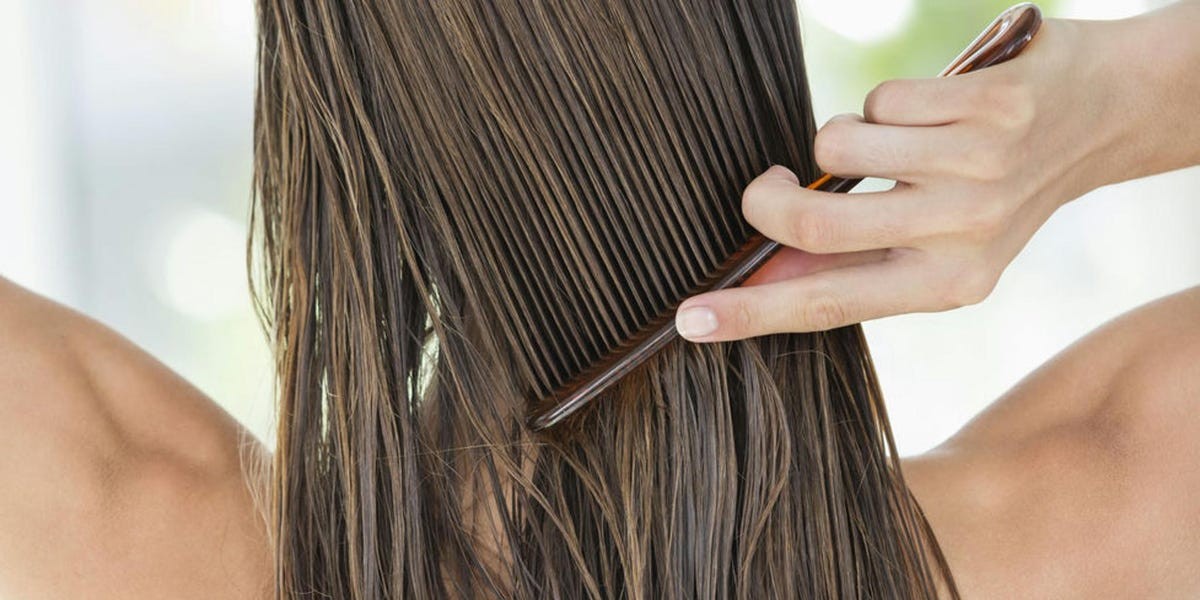
Silicones create a protective film around the hair shaft, enhancing moisture retention and reducing friction, making hair smoother and less frizzy. Cosmetic chemist Tonya Lane highlights their ability to prevent breakage and support healthy growth. They also offer exceptional heat protection, shielding hair from damage during styling. For color-treated hair, silicones like amodimethicone help preserve dye by creating a durable film that prevents fading from washing, heat, and sun exposure.
How to Use Silicones Effectively
The key is proper cleansing. Heavy silicones, like dimethicone, require stronger surfactants (such as sodium lauryl sulfate) for removal, while gentler shampoos may leave residue. Regular clarifying with a stronger shampoo helps prevent buildup. Additionally, silicones should be applied to the hair shaft, not the scalp, to avoid irritation. The weight of silicones can also vary; coarse, thick hair benefits from heavier formulations, while fine hair may prefer lightweight options.
Silicone-Free Alternatives
For those who prefer to avoid silicones, argan and jojoba oils offer some similar benefits, though without the heat protection. Plant-based emollients like diheptyl succinate and capryloyl glycerin/sebacic acid copolymer are also viable alternatives.
In conclusion, silicones are not the enemy. When used correctly and paired with an effective cleansing routine, they can significantly improve hair health and appearance. The choice is yours, but dismissing them entirely based on misinformation means missing out on a powerful tool for better haircare.