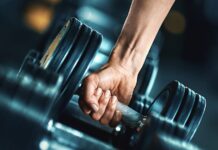



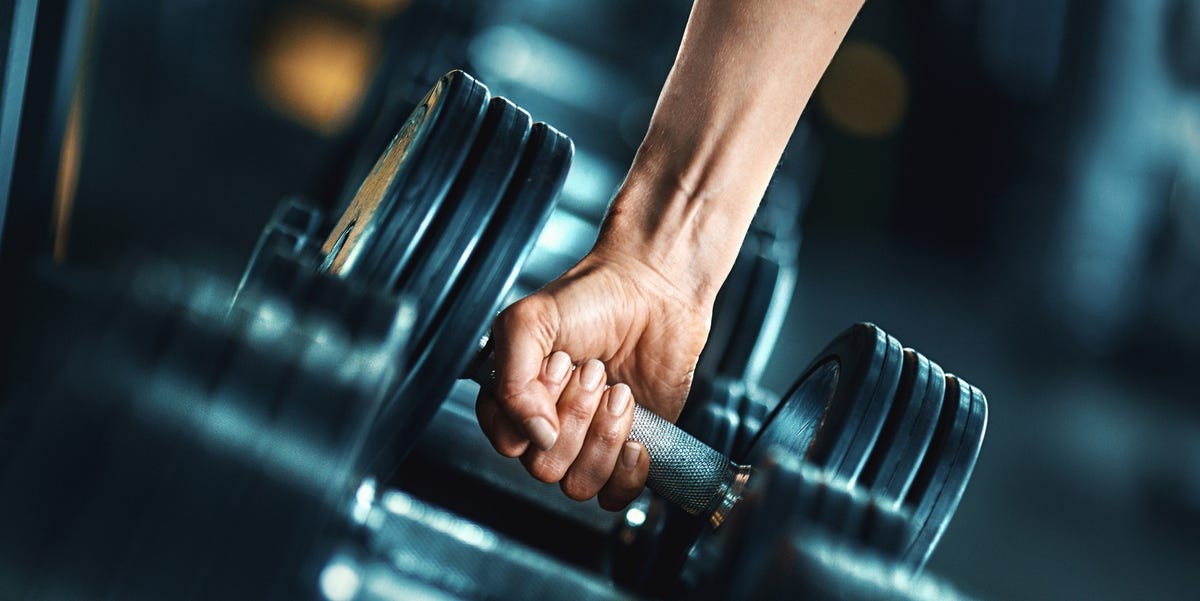
For anyone wanting to stay active, independent, and strong as they age, the key isn’t just any exercise – it’s lifting weights. Resistance training isn’t just for bodybuilders; it’s a vital component of healthy aging that many underestimate. Whether you want to play with grandchildren, climb stairs effortlessly, or simply maintain a fulfilling lifestyle, strength training is the foundation.
Why Strength Training Matters More Than You Think
Women experience a natural decline in muscle mass starting around age 30, accelerating after menopause due to hormonal shifts. This affects not just strength, but also bone health, increasing the risk of fractures. However, consistent weightlifting can reverse or slow this decline, preserving muscle mass, strengthening bones, and ensuring a more active, independent life. The International Osteoporosis Foundation emphasizes this: strength training isn’t optional; it’s preventative medicine.
The Science Behind the Fountain of Youth
As Abby Bales, PT, DPT, CSCS, founder of Reform Physical Therapy, explains, “Weight training is the fountain of youth.” It’s not hyperbole. Resistance training boosts bone density, preventing fractures, regulates blood sugar and metabolism, and improves balance, reducing falls. A 2023 study in Frontiers in Neuroscience even suggests it may slow neurological decline, offering protection against Alzheimer’s and dementia.
How to Start (Safely) at Any Age
The best approach is gradual. Begin with small steps: resistance bands, light weights, or bodyweight exercises. Consistency is more important than intensity. Start once a week, increasing to three times as you gain confidence. Choose a weight that challenges you in the last few reps, but doesn’t compromise form. The goal is long-term progress, not immediate results.
Essential Exercises for Women Over 60
The most effective exercises target strength, posture, and balance – often simultaneously. Here are a few foundational movements to incorporate into your routine (2-3 sets of 10 reps each):
- Air Squats: Mimic everyday movements like standing from a chair, strengthening legs and core. Use a chair for support if needed.
- Overhead Shoulder Press: Improves shoulder mobility, allowing for reaching and upper-body tasks. Start without weights if necessary.
- Low Box Step-Ups: Builds leg strength and balance, preventing falls. Use a low step and hold onto support if needed.
- Seated Biceps Curls: Strengthens arms for lifting and carrying objects. Start with light weights or no weights at all.
- Alternating Bent-Over Rows: Improves posture and strengthens back muscles. Focus on controlled movements to avoid injury.
- Alternating Reverse Lunges: Builds leg strength and balance, preventing falls. Use a support if needed.
- Incline Pushups: Gentler version of pushups to build arm, shoulder, and chest strength. Use a stable elevated surface for better support.
- Half Turkish Get-Up: Improves balance, strength, and mobility for getting up and down from the floor. Start with no weights and practice one or two pieces of the movement at a time.
- Triceps Kickback: Strengthens triceps for extending your elbow, making daily movements possible. Start with no weights and only a small lean forward to see how it feels.
- Sumo Squat: Targets inner thighs, glutes, and quads for overall leg strength. Start with a lighter weight or body weight only to master form.
Exercises to Approach With Caution
While most exercises are safe, some require modifications. High-impact movements (jump squats) may strain joints, especially if you have arthritis. Single-leg exercises should be done with support to avoid falls. Rotational exercises should be approached carefully if you have low bone density.
The Bottom Line: Move As Much As Possible
Strength training is about more than just lifting weights; it’s about maintaining independence, resilience, and quality of life. If you’re unsure where to start, consult a physical therapist for a personalized plan. But above all else, move. The most important thing is to start and stay consistent.