


Your face is a mosaic. Oily T-zone. Dry cheeks. Under-eyes that bruise if you look at them wrong. We get it. We buy separate moisturizers for different parts of our faces. It makes sense.
What if your head did the same thing?
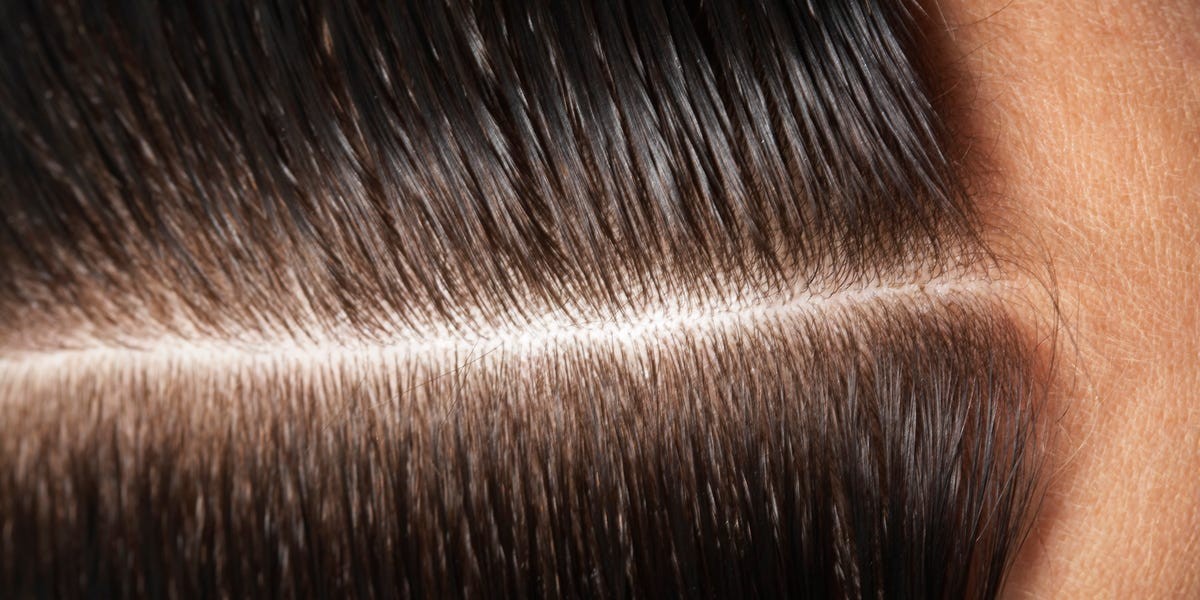
Enter “scalp micro-zones.” It sounds fancy. It’s a term coined by celebrity stylist Philip Berkowitz. The premise is simple: your scalp has personality. Just like your face. You might have a greasy hairline but a flaky crown. Dry, itchy patches at the nape. Thick, stubborn hair on top, thinning bits in front. All at once.
Berkowitz says spotting these zones is how you stop shedding and get thicker, shinier hair. Is it revolutionary science? Not really. Experts have been doing this for years. They just never put a label on it.
Зміст
The biology doesn’t lie
Dermatologist Divya Shokeen thinks regionally. Frontal hairline. Temples. Crown. Occipital nape. Each spot is different.
“Each differs in levels of scalp sebusm, androgen sensitivity, and folllcle resilience.”
She’s right. The science has been here all along. Gary Linkov, a hair restoration surgeon in NYC, sees it on the operating table. He splits the scalp into two camps. Recipient zones and donor zones.
The front and crown are sensitive to hormones. They thin. The back and sides? Resistant to dihydrotestosterone. DHT can’t touch them. That’s why we pull hair from the back to plug the front. It’s biological reality.
Anil Shah, a transplant expert, adds anatomical proof. The back of the head has thick scalp skin. The temples are paper thin. Structure matters.
So, does your scalp behave like a face?
Yes. Absolutely.
But don’t overbuy
Here is where the marketing tries to trick you. Just because your scalp has zones doesn’t mean you need four different shampoos in your shower cabinet.
Tina Mui, a trichologist, agrees the zones exist. The partline gets sun damage. The hairline gets covered in makeup residue. Temples take tension from tight ponytails. It’s stress city up there.
But do you need a custom regimen for every square inch? No.
“Frame it as targeted care, not complicated steps,” Mui says. Linkov nods. Most people need one solid baseline routine. Save the special products for the special problems.
Don’t clutter your sink. Be aware of the terrain though.
Fix what’s broken
Start with the basics. Then attack the specific zones that are acting up.
The Oly Zones
Usually the crown or center part. Dr. Shokeen says sebaceous glands cluster there. They produce oil. Lots of it.
Don’t strip it. Cleaning matters. Keep it balanced. Shokeen suggests ketoconazole or zinc pyrithione. These are in dandruff shampoos for a reason. They work. Mui adds niacinamide and gentle fruit enzymoes. They regulate without destroying the barrier.
The Flaky Zones
First, figure out what it is. Is it dry skin? Or dandruff?
Small white powder means dryness. Treat it with glycerin. Hyaluronic acid. Hydration fixes that. Oily yellow flakes? That’s yeast. Dandruff. Use the zinc pyrithione. Or the ketoconazole. Kill the fungus. Stop the itch.
The Sensitive Zones
Less is more here. Fragrance-free everything. Panthenol helps. Niacinamide helps. Colloidal oatmeal helps. Avoid the scrub. Skip the “tingle.” If it hurts, stop.
The Thinning Zones
This is usually the frontal scalp and the crown. The classic male pattern baldness map. But it affects everyone.
Dr. Shah calls these areas prone to loss. What fixes it? Minoxidil. That’s the medical answer. It’s the first line of defense. Linkov adds that caffeine or antioxidants might support general health, but they aren’t magic. If you’re losing hair, treat it medically. Supplements don’t regrow what’s gone.
One last thing
Your partline. Everyone forgets the partline.
It sits bare. It eats UV radiation. Tina Mui says protect it. Scalp-friendly SPF works. A UPF hat works. Or just switch your part occasionally. Sunburns the scalp. It damages follicles. Don’t let the sun win.
Keep it simple
Micro-zones are real. They are distinct. Biologically, chemically, anatomically distinct.
You don’t need a complex routine. You need awareness.
Start with a good baseline. Cleanse. Hydrate. Protect from the environment. Then add one thing for one problem. Oily crown? Use a medicated wash twice a week. Itchy nape? Try an oatmeal shampoo.
Treat the scalp like a garden, not a lab. You don’t fertilize the roses with the same mix you give the ferns, but you still water the whole yard.
Know your head. Wash it well. And stop buying products you won’t use.