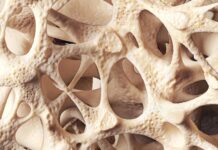


Most people never hear osteopenia whisper. It slips in sideways, weakening the scaffolding of your body while you sleep, eat, work. You might not suspect a thing until something breaks. Or until a scan catches it, usually because a doctor noticed age, or menopause, or some other risk factor on the page. That is the trap. By then the damage is often already structural.
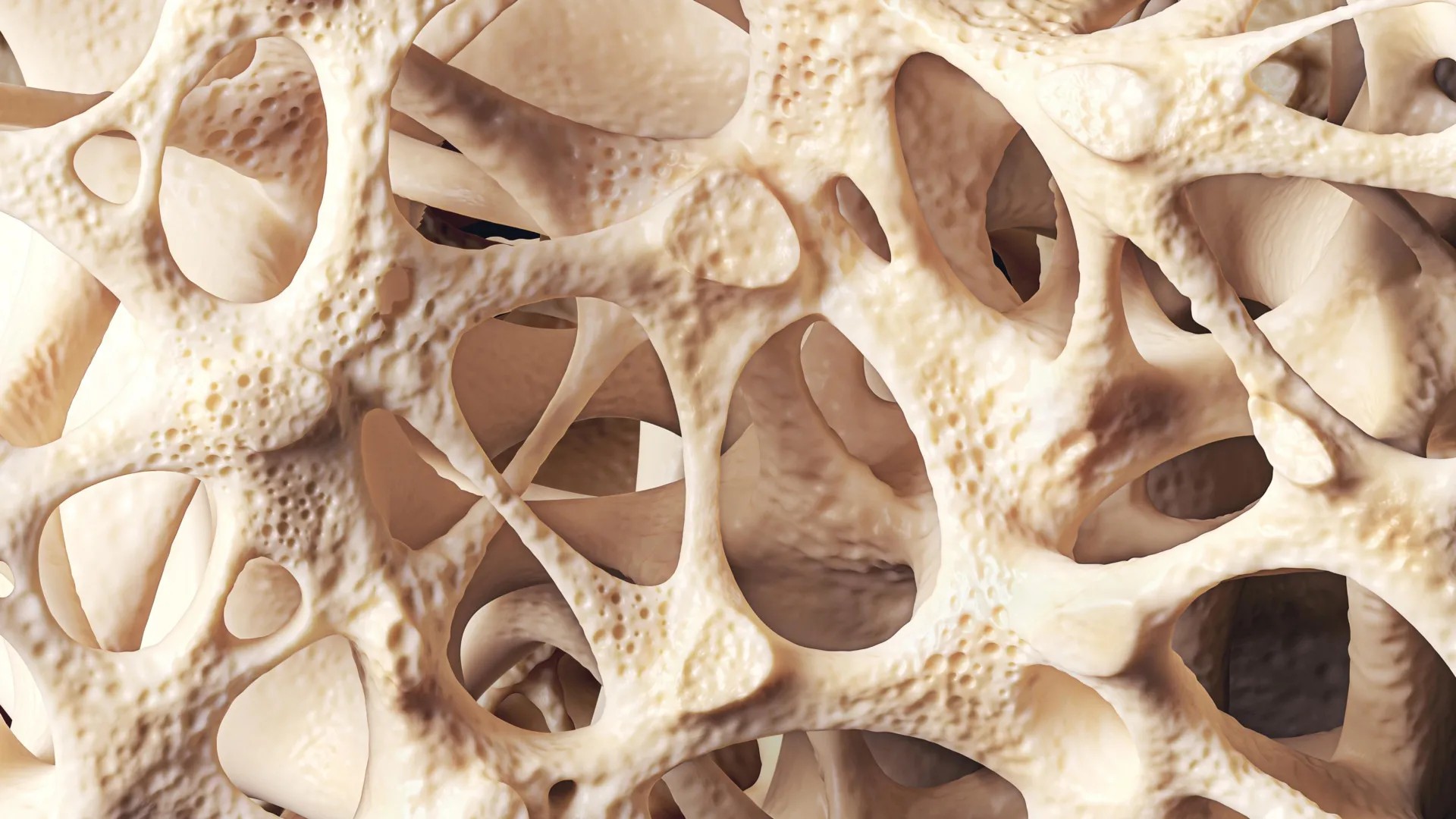
Bone isn’t dead matter. It churns. A cycle of breakage and rebuilding called remodeling runs non-stop. Old bone dissolves. New bone lays itself down. In your twenties this scales evenly. Peak mass hits mid-decade to early thirties. Then the math changes. Breakout outpaces buildup. Slowly, insidiously, density drops.
Age leads the charge, but it has helpers.
Estrogen plummets after menopause. Estrogen normally holds back the cellular crew that eats bone. Without it, demolition speeds up. One in two women over fifty will suffer a fragility fracture—a break from a fall standing height, not a car crash. Lifestyle choices matter just as much. Smoking rots the matrix. Heavy drinking thins it out. Sitting too long leaves it soft. Diet fails to build if you’re starved of calcium or vitamin D. Steroids, long-term use especially, wreck the system. Autoimmune bugs like Crohn’s or celiac disease steal nutrients before your body can use them.
The Numbers Game
Early detection is the only real lever. It keeps you from sliding into osteoporosis, the severe stage where fractures become almost a certainty rather than a possibility.
The gold standard tool? The DXA scan. Low-dose x-rays map your skeleton’s density. It spits out a T-score. That number compares you to a healthy thirty-year-old. A score between -1.0 and -2.5 means you have osteopenia. Below -2.5, the diagnosis shifts. Osteoporosis. The ground has given way.
Move, Eat, Maybe Medicate
The goal isn’t to reverse time, necessarily. It’s to slow the slide.
Most advice looks boring, which is why it works. Quit smoking. Cut alcohol. Keep a healthy weight. But specifics matter. Weight-bearing exercise —walking, dancing, jogging—shakes the skeleton. Strain triggers repair. Resistance training thickens muscle, which pulls on bone, making it denser. Tai Chi improves balance. Fewer falls mean fewer breaks. It’s that simple, mostly.
Food helps too. Calcium builds the bricks. Vitamin D hauls the cement in from the gut. Dairy, greens, fortified stuff. Supplements if the diet falls short, especially for Vitamin D, which is wildly common in places with less sun.
Not everyone needs pills. Doctors use algorithms now. They look at ten-year fracture probability. Age, density, meds, history. If the risk is high, or if you’ve already snapped a bone from a minor trip, drugs come in. Antiresorptives slow the demolition crew. Usually reserved for osteoporosis, yes. But high-risk osteopenia patients often get them too. Why not?
Osteopenia isn’t a disease sentence. It is a warning light.
You do not have to become brittle. Early fixes, targeted lifestyle shifts, can freeze the decay. Sometimes even boost it. Bone remembers what you do. Decades of diet, movement, hormone shifts all stack up. Protecting it takes patience. A long view. Most of us prefer quick fixes for things that rot slowly. The skeleton doesn’t care about our preference. It only responds to weight.