



I was three hours into watching Michael Scott burn his foot on a grill when my water broke.
It wasn’t a dramatic gush. It was a small, distinct pop in my lower abdomen. I stood up from the couch in our Seattle one-bedroom and felt the hot rush of amniotic fluid soaking through my sweatpants. It pooled on the hardwood. My then-boyfriend did a weird, excited pee-dance toward the door to grab the go-bags I’d packed months ago.
I just wanted a shower.
Paralysis set in. Not because I was calm, but because the weight of what was happening crashed into my chest like a rogue pinball. This was it. I was going to meet my children. And I was going to say goodbye to one of them.
Зміст
The Diagnosis That Shattered the Future
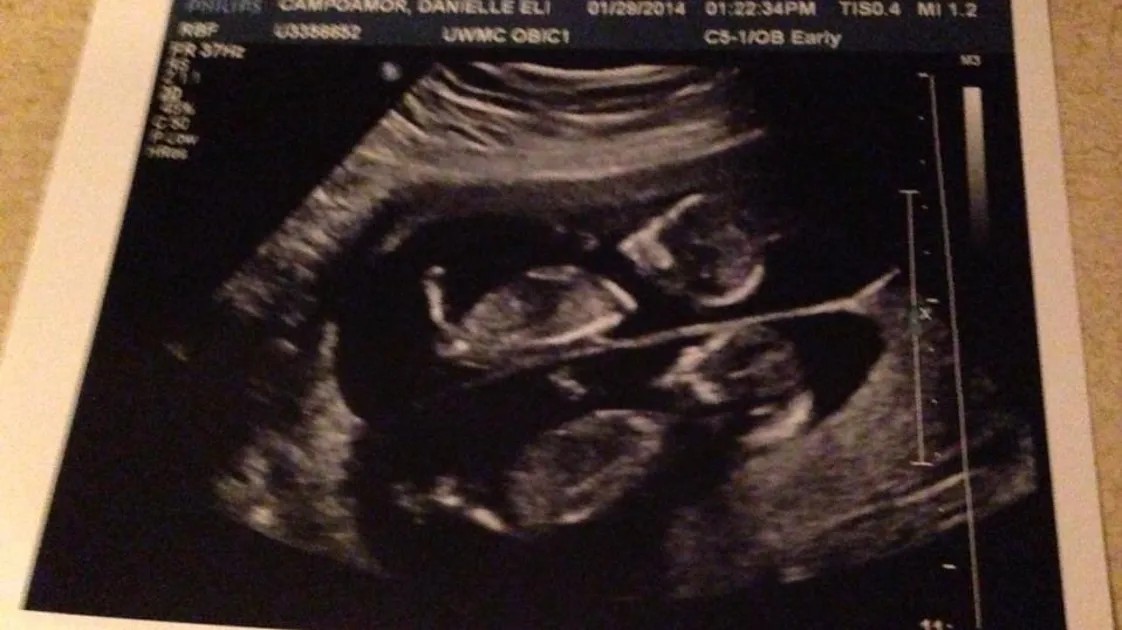
Ninety days earlier, I’d left a Planned Parenthood in South Seattle holding six fuzzy ultrasound images. I thought I was just pregnant. The technician, kind to a fault, had corrected me. Twins. Two boys.
I had bought two of everything. Onesies. Sleep sacks. Soft toys for babies who physically couldn’t interact with them yet. I built a life around the certainty of two. I imagined the chaos. Two toddlers at the crib rails. Two first days of school. Two teenage mistakes they’d try to hide together.
Then came the scan at 20 weeks.
The technician gave me that look. The one that tells you the universe has decided to break something. Twin A had no heartbeat.
My body had been hospitable to one fetus and actively hostile to the other. The medical terms didn’t matter. The reality was simple: one boy was dying inside me. He was deteriorating. And he was dragging the other boy’s viability with him if I didn’t act. Or if I did. The doctors couldn’t explain why. They just knew I had to carry both life and death until term.
For five months, I begged my future-less baby boy not to hurt the one who lived. I hated myself for the wish. I hated the silence where his heart should have been.
The Choice in the Delivery Room
Labor was exactly as advertised. Painful. Exhausting. A flood of bodily fluids.
After 24 hours of pushing, my surviving son entered the world. He was perfect. Loud. Demanding. The staff whisked him away to be weighed and checked, their movements efficient and bright.
Then the doctor told me to push again.
The energy that had launched my living son drained out of me. There was no cry coming. No warm body to hold. No reward for the physical toll of birth. Just a hollow, sucking void that threatened to swallow me whole if I didn’t let go.
I closed my eyes. I whispered a goodbye I hadn’t finished preparing. I pushed.
What came out was not a baby. It was not human in the way I had imagined. It was tissue. Diminished. Alien-looking. My physician’s face was a mask of pity and professional distance. She asked me if I wanted to see him.
To honor him. To witness the only form he would ever take.
I said no.
I turned my back on the tray and looked only at my son. His hunger cries. His chubby thighs. I focused so hard on the living child that the grief became a background noise, dull and manageable.
“Are you sure?” my boyfriend had asked. His voice was thin.
I shook my head. I looked at my baby. I didn’t look at the death I had just birthed.
The Lie of “Alien”
Both my boyfriend and my best friend were in the room. They saw the remains. They saw me look away.
In the years since, I’ve asked what he looked like. The answers have always been the same.
“He didn’t look human,” my boyfriend says.
“Like an alien,” my best friend promises.
“You wouldn’t have recognized him as a baby,” they insist.
They love me. So I convince myself they are lying to spare me pain. They saw me break in the postpartum months. They know I can’t handle the truth. So they judge me not at all.
I judge me enough.
I think about the cowardice. Was it cowardice to refuse to look? Was it selfishness to prioritize my surviving son’s needs over the ritualistic closure of seeing his deceased twin? I carry the regret of that refusal like a stone in my shoe. I didn’t honor him. I left him in the dark, unacknowledged by the only witness who mattered: me.
The Boy I Never Met
Five years after Twin A, I had a second son.
I stared at his face and wondered if he was the ghost I had mourned. Did he have Twin A’s cheeks? His nose? That same tuft of dark hair? Did he reincarnate with enough foresight to spare me the ineptitude of caring for two infants at once? Did he die in the ether so he could return, healthy and exquisite, to prove I was capable of motherhood after all?
I’ll never know. The question has no answer.
Now, as a freelance journalist, I cover things that would shatter most people. I’ve reported from the aftermath of school shootings in Uvalde and Highland Park. I’ve covered the wars in Ukraine and Israel. I’ve sat in Puerto Rico and Syria and watched grief become a tangible, suffocating thing.
I’ve watched mothers share photos of their dead children. I’ve seen women kiss the cold faces of babies lost to violence or disaster. I’ve listened to stories of destruction so vast they keep you awake for nights.
Every single time, I think of him.
I silently pay homage to the twin I couldn’t bear to hold. He is in the dark with me. A reminder that we can’t shield ourselves from the horrors of the world. We just have to find the courage to bear witness. Even when it hurts. Even when we want to look away. Especially when we want to look away, because that is where the beauty hides too. The cries of a newborn. The chaotic, beautiful, unbearable weight of being alive.