



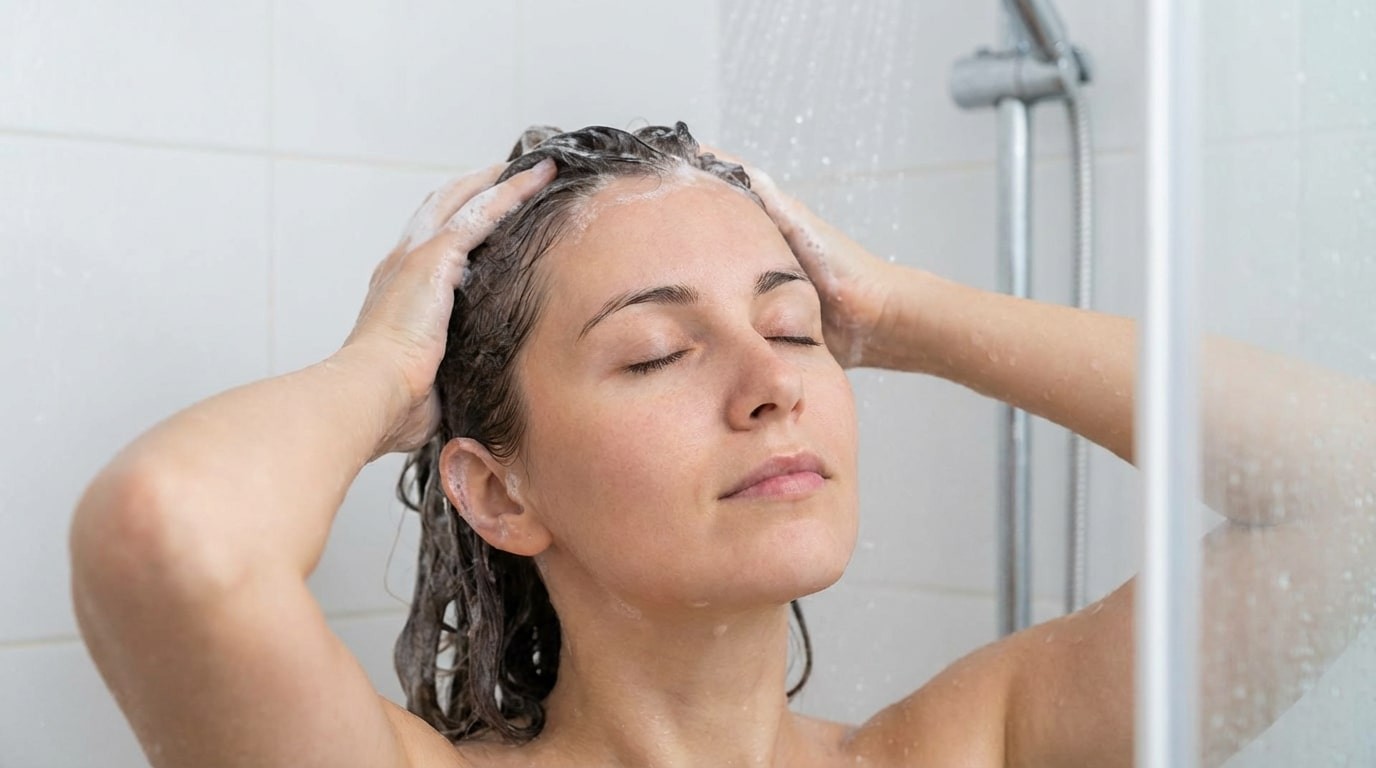
You get out of the hot shower. The steam sticks to the mirror. Grab the nearest brush. It feels a bit like self-care. It’s like being in control.
But this is a trap. This instinctive action that millions of us do every morning is silently destroying our hair. Hairdressers sound the alarm. This ritual has been standard practice for generations, but is now classified as dangerous. Why would something so simple threaten the vitality of your hair?
Зміст
The illusion of control
The habit is universal. you wake up take a shower Grab your favorite brush and tame the bedhead. A good start guaranteed. Even if your night is chaotic, we guarantee you’ll be ready for the day.
It feels like a reflex. Just like drinking coffee.
But the bathroom hides a contradiction. This almost common practice is exactly what the experts condemn. Why? Because the ease of the moment is a lie.
It glides when hair is wet. It stretches. It seems to submit without resistance. It looks very smooth. Seems easy to manage. However, this glory is fleeting. This is a mirage. The apparent order you create during the first seconds of wetting is temporary.
What actually happens to wet fibers
Hair is not strong when wet. not really.
The fiber structure changes. Up to 30% of natural flexibility is lost. Moisture causes cuticles to expand. These are the protective scales of each strand. When they open the barrier. Hair becomes porous. It becomes vulnerable.
Think of wet hair as wet silk. It feels very soft. It is actually fragile.
Every time you drag a brush through damp strands, it causes small, invisible damage. This damages the surface of the hair shaft. The scales lift. The result? Roughness. Split ends. Porosity increases.
In winter, this damage can be more serious. Dry air. heating system. Temperature fluctuations. Your hair is already under stress. Combing wet hair can cause mechanical damage to already weak hair.
Why the pros are upset
Hairdressers do not sugarcoat this. They see the damage every day.
Combing wet hair is the biggest enemy of beautiful hair. This explanation is logical. Material disappears with every stroke. Water exacerbates tangles. To get them out, you pull harder. You pull. You twist.
This is a vicious cycle. The more knots there are, the more likely your hair will break.
Over time, the results will show. Your hair looks dull. Ends fray. The overall volume diminishes. Hair becomes resistant to styling. Elasticity drops. Roots are often stressed by excessive tangles, which can slow growth in the long run.
Common Mistakes That Cost You
Many people believe that you can use any tool in the shower. They do not.
A classic brush. A fine-toothed comb. Rigid detangling accessories. These are forbidden on wet hair.
What about viral beauty hacks? Brushing your hair while using a thick hair mask or conditioner seems to help. It creates slip. But this is a trap.
These practices increase mechanical stress. They push the weakened fibers over the limits. Crushed cuticle. The shine disappears. What looks like a shortcut is actually a long-term investment in damage.
How to Detangle Without Damage
You need to change your daily habits to protect your hair. Especially in winter. Hats. Scarves. Indoor heating. These create knots. But you don’t have to fight them with brute force.
There are simple and natural alternatives.
**Detangle dry first. **
Comb your hair before wetting your head. Remove the major tangles. This prevents the fibers from weakening under the brush during washing.
If you want to style wet hair, do it gently. Use the appropriate tools.
- Wide wooden comb.
- Soft brush designed to gently remove hair.
- The microfiber cloth absorbs water without friction.
Work in parts. Start from the end. Move slowly towards the roots.
Patience is the only real secret. It takes some time to restore the hair structure. If you rush the process, you destroy what you value.
The mirror may now appear clear. However, the damage was done.
A post-shower routine that really prevents breakage
The routine doesn’t end when you leave the bathroom. In fact, this is where the real work begins. You need to deal with it when your hair is damp—not soaking wet. This difference is more important than you think.
Use a leave-in conditioner. Look for a light vegetable oil or aloe vera oil. These ingredients do more than just smell good. They reinforce the hair’s natural protective layer. Think of it as protection. It stops damage, especially damage caused by hair dryer heat.
Next comes the drying process. We all know that feeling. The holidays are coming. You have photos to take. I want to look like I went three days without eating leftover turkey or drinking cheap wine. The temptation to constantly touch your hair is strong.
But the hard truth is that air drying is still the golden rule.
If you’re in a hurry or the cold outside is stinging your ankles, change your strategy. Use a low temperature setting. Be gentle. Pat your hair dry with a towel. Do not rub too hard. Friction is your enemy. This can cause knots. It can cause damage.
Be careful especially in winter. Patience is rewarded. A haircare routine that is gentle today will result in hair that looks its best in March with today’s gentle hair care routine. When the first light of spring shines, you’ll be glad you didn’t fry your ends in December.
Why avoiding brushing wet hair is non-negotiable
Let’s talk about the biggest mistake most women make. It is very subtle. It’s almost a reflex.
While your hair is still wet, grab a brush or comb.
Stop.
This habit can spoil the appearance and vitality of the length. For every season. Wet hair is easily damaged. The cuticle is raised. Pulling tangles with a stiff brush can stretch strands beyond their limits. It snaps.
Changing habits may seem like a small thing. It felt a little uncomfortable to wait 10 minutes for my hair to dry a little more. But this small change opens the door to visible and lasting change. It’s not just how your hair looks in the mirror for five minutes that’s important. This has long-term effects on the health of the hair follicles and hair shaft.
This new, respectful approach reveals the true nature of your hair. Struggling with textures prevents you from starting to use them.
The daily details that win the winter game
So what is the winning formula?
It’s simple, but the constant practice of simplicity is difficult.
- **Patience. ** Partially dry your hair before touching.
- ** Gentleness. Pat, don’t rub. Use your hands or a microfiber cloth.
3. Protection. Lock in moisture with a lightweight leave-in.
Avoid brushing with wet hair. This is a key rule.
Your hair will become stronger. Shine preserved. Real magic doesn’t lie in one expensive treatment or a viral TikTok hack. It’s in the small, boring details of your daily routine. It’s a refusal to rush.
Will you stick with it when the weather gets worse? When the holidays get busier?
The results wait for no one. But there is a reward for those who show up every day with their hair.