



Lips are an afterthought in most skincare routines. We slather SPF 30+ on our noses and cheeks, maybe dab some on our ears, but the mouth? It gets whatever color we grabbed off the counter. This is a major oversight. Skin cancer is the most common form of cancer in the U.S., and the numbers are climbing fast. Melanoma cases in men jumped 7.7% annually between 2003 and 2005, while women saw a 2.9% increase from 1993 to 2005. The problem? Your lip skin is essentially naked. It contains almost no melanin, the pigment that acts as a natural shield for the rest of your face. Without that buffer, UV rays hit your lips with zero defense.
Зміст
How Lipstick Acts As Sunscreen (Or Not)
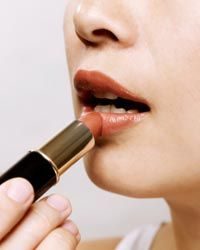
The Skin Cancer Foundation actually encourages women to use makeup as part of their UV defense. Foundation with SPF helps. So does the right lip product. But “lipstick” is a broad term, and not all formulations play nice with the sun. If you want protection, look for an SPF of 15 or higher. Matte and opaque finishes are your allies here. They block light effectively. Shimmery lipsticks and glossy balms? They are the opposite.
These products contain ingredients that behave similarly to baby oil. They attract UV rays. Instead of reflecting light away, they pull it in and concentrate it on your delicate lip tissue. While dermatologists haven’t yet found a direct statistical link between glossy lipstick and cancer diagnoses, many warn against the practice. Why take the chance on skin that has no melanin to save it?
The Hidden Ingredient Problem
UV exposure is just one half of the equation. There is a second, less visible threat lurking in the tube. Is lipstick just a cosmetic choice, or is it a chemical exposure risk? The ingredients in modern formulas are under the microscope, and some findings are startling. We are looking at potential carcinogens that have slipped into popular beauty brands.
The most vulnerable skin on your face is the one place you are least likely to apply serious protection.
The conversation has moved beyond simple sunburn prevention. It is now about what we are absorbing. As we dig into the data, it becomes clear that the “safe” product on the shelf might not be as benign as it looks.
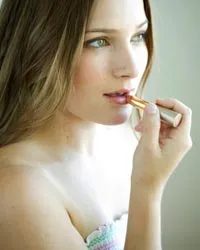
The Lead Lipstick Controversy: What the FDA Data Actually Shows
The idea that beauty is pain sounds like a platitude, but for centuries, it was a literal chemical reality. From ancient Egypt to the Elizabethan era, the pursuit of the perfect complexion often involved ingredients that were outright toxic. Lead, mercury, arsenic. You name it.
Today, that landscape looks different. The U.S. Food and Drug Administration (FDA) has overseen the cosmetic industry since 1938. However, the regulatory framework is not what most people assume. Unlike drugs or medical devices, the FDA does not require pre-market approval for cosmetic products or their ingredients. This creates a gap that often surprises consumers. The agency can step in after the fact to investigate adulterated or misbranded items, potentially halting supplies or pursuing criminal investigations if necessary.
For most women, this regulatory background is invisible. You apply your makeup, you go about your day, and you rarely think about the safety of the pigment on your lips. That sense of security started to wobble when a specific FDA study dropped. The agency analyzed 20 different lipsticks and found lead in all of them.
Is Lead in Lipstick Dangerous for Pregnant Women?
The numbers in that study were stark. The lead levels detected were more than ten times higher than the established lead standard for candy.
This finding raised immediate red flags, especially for pregnant women. Lead exposure during pregnancy is a known risk factor for developmental issues. It is a heavy metal that accumulates in the body and can cross the placental barrier. For this demographic, any route of exposure is a potential concern.
But context matters.
Do Lipstick Lead Levels Cause Cancer or Health Issues?
The internet quickly filled with headlines suggesting that daily lipstick users were at risk of developing cancer from this lead. That is an urban legend. It is not supported by the science.
Cancer is not even considered a primary effect of the type of lead exposure found in these cosmetic studies. Lead poisoning typically presents as neurological or developmental damage, not as a carcinogenic process in the way UV radiation or tobacco smoke might act.
Furthermore, there are no documented cases of medical complications directly attributed to wearing lipstick. The amount of lead ingested through lip-licking or accidental consumption of a daily layer of lipstick is significantly lower than the thresholds that cause acute poisoning.
“The urban legend that you can get cancer from the lead in lipstick is untrue.”
This distinction is important. It separates the legitimate regulatory concern of the FDA from the sensationalized fear that spreads on social media. The FDA flagged the lipsticks because the levels were higher than expected and higher than food safety standards. That is a valid quality control issue. It is not, however, a death sentence.
How to Evaluate Makeup Safety in a Regulated Market
So where does that leave you? It leaves you in a position to be informed rather than terrified.
The FDA’s role is reactive, not preventive, in the cosmetic sector. They do not screen every batch of lipstick before it hits the shelf. They monitor the market. When they find anomalies, like the lead levels in those 20 brands, they issue warnings.
If you are a consumer, your best defense is awareness.
- Check the ingredient lists, though lead is often not listed because it is a contaminant rather than an added ingredient.
- Be aware of regulatory gaps. “FDA regulated” does not mean “FDA approved.”
- Understand that “safe” is a relative term. No product is risk-free, but the risk from cosmetic lead exposure is currently categorized as low for the general population, with specific caution advised for pregnant individuals.
The history of makeup is messy. The modern regulations are imperfect. But the data tells a clear story: the lead in your lipstick is unlikely to give you cancer. It is a flaw in manufacturing and quality control that regulators are watching, not a hidden epidemic.
You can still wear that shade. You can still enjoy the ritual. Just keep an eye on the regulatory updates. The conversation around skin care safety is ongoing, and the standards may tighten. For now, the fear is outpaced by the facts.