




For many travelers, hotel housekeeping is an invisible service—a seamless transition from a messy room to a pristine sanctuary. However, behind the scenes, housekeeping is a physically demanding, high-pressure profession that often lacks the recognition it deserves.
Misunderstandings between guests and staff can lead to friction, inefficiency, or even physical injury for workers. To bridge this gap, former and current hospitality professionals have shared insights into the habits they would avoid if they were staying in a hotel themselves. These lessons highlight how small changes in guest behavior can significantly improve the working conditions and well-being of housekeeping teams.
Зміст
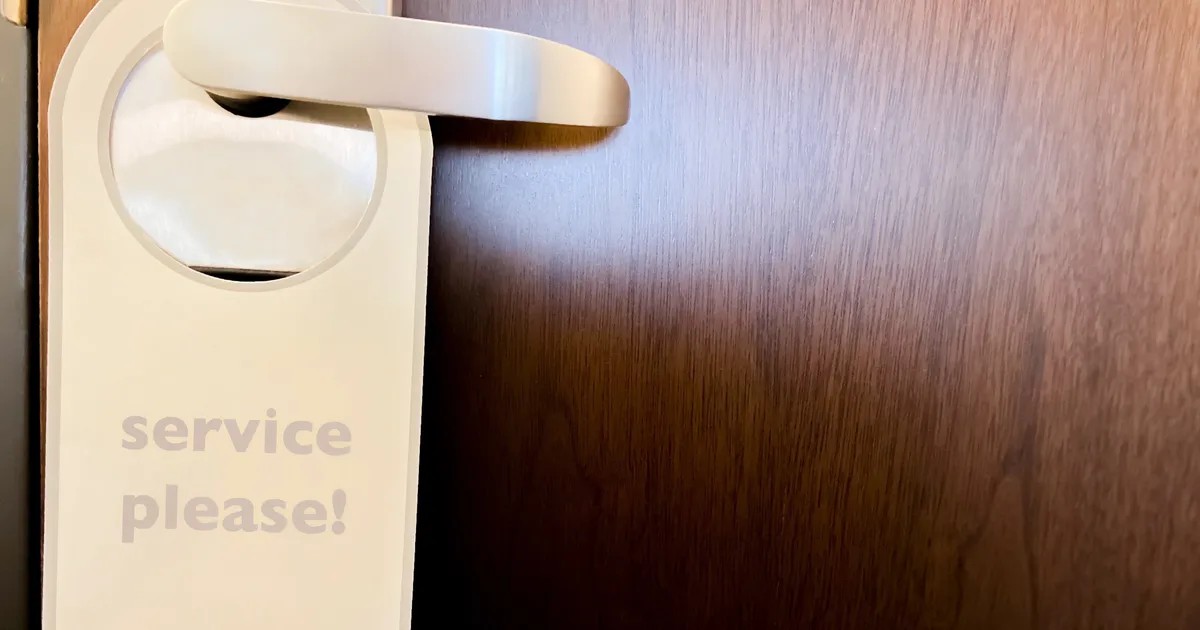
1. Don’t use “Do Not Disturb” signs as a permanent fixture
While guests often use “Do Not Disturb” signs to ensure privacy, leaving them up for several days can backfire.
– The Problem: When a room goes uncleaned for multiple days, trash accumulates, food rots, and the workload for the housekeeper increases exponentially.
– The Consequence: Instead of making the job easier, it makes it harder and more physically taxing to catch up, increasing the risk of injury. Furthermore, if guests consistently opt out of service, hotels may reduce staff schedules, leading to lost wages for workers.
2. Avoid “playing tag” with staff
Telling a housekeeper to “come back later” when they knock is a common habit that disrupts the workflow.
– A Better Approach: Rather than delaying staff in the moment, guests should notify the front desk of their preferred cleaning window. This allows housekeepers to manage their routes efficiently and ensures the guest isn’t interrupted at an inconvenient time.
3. Opt for regular housekeeping services
There is a common myth that skipping daily cleaning helps the staff. In reality, the opposite is true.
– The Reality: Skipping service leads to “deep cleaning” scenarios involving piles of garbage and heavy messes that are much harder to manage than daily maintenance.
– The Industry Trend: Some unions have even fought to reinstate automatic daily housekeeping to ensure consistent work hours and prevent the extreme workload spikes caused by neglected rooms.
4. Request only what you actually need
It is tempting to ask for extra towels or amenities “just in case,” but this creates unnecessary logistical burdens.
– Efficiency Matters: Excessive requests result in wasted resources and more heavy lifting for staff. Being mindful of consumption helps ensure that supplies remain available for other guests and reduces the physical strain on the cleaning crew.
5. Tip daily, not just at checkout
In the hospitality industry, tips are often a vital part of a worker’s income, used for essentials like transportation or food.
– The “Daily” Rule: Because different staff members may clean your room on different days, leaving a single tip at checkout may only benefit the person who performs the final cleaning.
– Recommendation: Leaving a small amount (e.g., $5–$10) each day ensures that every worker who serviced your room during your stay is recognized.
6. Give credit where it’s due in reviews
While guests frequently praise front desk agents or managers in online reviews (on sites like TripAdvisor or Expedia), housekeepers are rarely mentioned by name.
– The Impact: Mentioning a specific housekeeper in a positive review can provide them with much-needed professional recognition that often goes unnoticed by management.
7. Prioritize safety and hygiene
Professional cleaning involves risks, particularly when dealing with hazardous materials.
– Standard Protocol: Staff are trained to use Personal Protective Equipment (PPE), such as gloves and masks, when encountering bodily fluids. Guests should understand that staff must follow strict safety protocols before addressing biohazards to prevent health risks.
8. The necessity of safety technology
Because housekeepers often work alone in isolated hallways or guest rooms, their physical safety is a constant concern.
– A Vital Tool: Many workers now rely on GPS-enabled panic buttons. This technology is a critical safeguard, allowing staff to call for help immediately if they encounter an emergency or feel threatened in a secluded area.
9. Minimize the “mess factor”
Leaving a room in total disarray—such as leaving food crumbs on the floor or trash scattered around—turns a routine cleaning into an exhausting ordeal.
– Small Gestures: Gathering trash in one place, piling dirty towels together, and clearing floor space can significantly reduce the physical strain on housekeepers. It also prevents accidents, such as slips and falls, caused by cluttered environments.
10. Keep personal belongings organized
A cluttered room is more than just an eyesore; it is a hurdle for staff.
– Protecting Your Items: Storing clothes in drawers, closets, or suitcases makes it easier for staff to clean surfaces without having to move your belongings. This not only speeds up the process but also reduces the risk of your personal items being accidentally moved, misplaced, or damaged.
Conclusion: The relationship between guests and hotel staff is most effective when built on mutual respect and efficiency. By making small adjustments—like tipping daily and keeping rooms tidy—guests can transform a high-stress job into a manageable, respected profession.