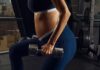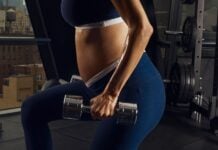





For many women, pregnancy is a period of profound physical transformation that can make even the most disciplined fitness routines feel unrecognizable. While social media often portrays a “pregnancy glow” and effortless strength, the reality is frequently much more complex. Energy levels fluctuate, new physical limitations emerge, and movements that were once second nature can suddenly become painful or even impossible.
The common thread among women navigating this transition is that there is no single “right” way to exercise while pregnant. Fitness is not a linear path; it is a fluid process of listening to the body and adjusting expectations.
To illustrate this spectrum of experience, three fitness professionals shared how they navigated the shifting demands of their bodies during pregnancy.
Зміст
Scaling Back to Stay Consistent: The Power of the “Micro-Workout”
For Callie Gullickson, a Peloton instructor, pregnancy meant a radical shift from heavy lifting to minimal movement. While she previously trained with heavy barbells and kettlebells four times a week, severe nausea and exhaustion during her second pregnancy forced a change.
- The Strategy: Instead of fighting through the sickness, she lowered the barrier to entry. On her hardest days, her goal was simply a five-minute bodyweight session.
- The Result: By “stacking” short sessions—moving from five minutes to ten—she maintained a sense of routine without overwhelming her system.
- The Adaptation: She also had to manage Symphysis Pubis Dysfunction (SPD), a condition caused by pregnancy hormones that can destabilize the pelvic joints. This required her to eliminate single-leg exercises that exacerbated the pain, shifting her focus toward maintenance rather than setting new personal records.
“Keeping that routine really centered me. There are so many things that are changing… keeping that routine helped my confidence.” — Callie Gullickson
Rebuilding from Scratch: From High Intensity to Functional Strength
Bree Koegel, a trainer at The Sculpt Society, experienced a more disruptive transition. Previously an “extreme” athlete who trained multiple times a day, pregnancy exacerbated old hip injuries to the point where she could barely walk.
- The Mental Hurdle: The loss of physical control was emotionally taxing. Koegel describes a period of feeling completely disconnected from her body following a C-section and a difficult recovery.
- The Turning Point: After undergoing two hip-replacement surgeries, she approached fitness with a completely new philosophy. She traded high-intensity metabolic conditioning and plyometrics for slow, controlled, and foundational strength work.
- The Evolution: By her third pregnancy, Koegel prioritized efficiency over intensity. Her “workouts” often consisted of short, 20-minute sessions or even quick sets of dumbbells performed at her desk while working as a lawyer.
“The old me would have been punishing myself for not doing more, but that’s just not my priority right now… which feels kind of like freedom.” — Bree Koegel
Reframing the Challenge: Movement as a Tool for Wellness
Jen Ryan, a pelvic floor physical therapist, faced a pregnancy she described as a “gremlin girl” experience—defined by fatigue and nausea rather than vitality.
- The Logic of Movement: Ryan realized that since she was going to feel unwell regardless of her activity level, she might as well move. She chose to exercise to improve her well-being, even when it didn’t feel “good.”
- Navigating Limitations: Like Gullickson, Ryan dealt with SPD. This forced her to abandon lunges and certain heavy lifts, but she successfully pivoted to swimming laps to maintain cardiovascular health when walking became too painful.
- The Long-term Payoff: By treating her physical limitations as puzzles to solve rather than failures, she was able to maintain a level of strength that made her postpartum recovery much smoother.
“I always envisioned myself being the pregnant person who was still lifting super heavy and looking and feeling like a badass… that was just not my reality.” — Jen Ryan
Summary of Key Takeaways
The experiences of these three women highlight several vital truths for anyone navigating pregnancy and fitness:
- Consistency $\neq$ Intensity: Maintaining a routine through small, manageable movements is often more beneficial than attempting to maintain pre-pregnancy intensity.
- Listen to Physical Signals: Conditions like SPD require specific modifications (such as avoiding unilateral movements) to prevent injury.
- Mental Health Matters: Exercise is as much about mental centering and confidence as it is about physical strength.
- Flexibility is Success: Adapting your routine to fit your current energy, mobility, and lifestyle is a sign of fitness intelligence, not a lack of discipline.
Conclusion: Pregnancy demands a shift from “pushing limits” to “listening to limits.” Success during this period is defined by how well you adapt your movement to support your changing body and changing life.