



Start with the basics. It’s surprisingly simple.
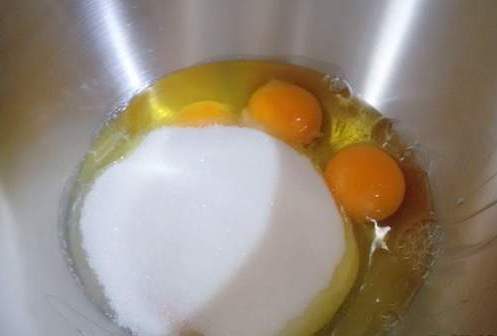
Take a large, deep bowl. You want one that is wide enough to blend in comfortably. Beat in three eggs. Wait. The recipe card says two, but the instructions specifically say three. Follow the instructions. Three eggs give a light cake the airy texture you need. Pour in one cup of sugar.
Now let’s talk about citrus fruits. Four oranges. It has a lot of orange in it. You need the peel and the juice. Zest the four oranges before making the juice. The flavor lives in the oil of the skin. Do not scratch off the white pith. It’s bitter. It ruins the taste. Squeeze them until you have enough for the batter.
Here’s some dry stuff. A package of baking powder. One packet of vanilla. A teaspoon of baking soda. Three tablespoons of cornstarch. Cornstarch is the secret. It keeps the crumb tender. It prevents the gluten from becoming tough. Gradually sift in the flour. Add a pinch of salt if you like. Stir until well combined. Overmixing creates a rubbery cake.
Fold in the wet ingredients. A cup of vegetable oil. The juice of these four oranges. The zest. Mix gently. If you want it crunchier, add a handful of walnuts. Optional but recommended.
Preheat the oven. Normally 350°F (180°C). Grease the round pan. Pour in the batter. Bake for about 40-45 minutes. The toothpick comes out clean.
Allow to cool. Sprinkle with powdered sugar. Serve with tea. Or coffee. Or both.
Why four oranges? Because it’s not just a hint of orange. It’s an orange cake. The taste should be light. Tangy. Sweet. Not cloying. If you use less, it’s just yellow cake. If you use more, it may be too wet. Stay at four.
The texture should be soft. Like a cloud. If it is dense, you have mixed the flour too much. Or the oven was too cold. Or the eggs were too small. Check your measurements.
This is not a complicated recipe. It’s a staple. Keep it in your rotation. When you need something fast. Something that smells like sunshine. Something to give your kitchen a warm feeling.
“The cornstarch is the secret. It keeps the crumb tender.”
Does it have to be vanilla? You can replace it with almond extract. Or lemon zest. But orange and vanilla are classics for a reason. They balance each other. Sweetness against tang.
Where can you get good oranges? Look for ones that feel heavy for their size. That means more juice. Thin skin. No soft spots.
How do you store it? In an airtight container. At room temperature. For two or three days. Or freeze. The slices freeze well. Thaw in the refrigerator overnight.
Is it healthy? It’s a cake. It contains sugar. And oil. But it’s not full of butter. So it’s lighter. Moderation is key.
Try it this weekend. Buy extra oranges. You might end up with juice left over. Drink it. Or save it for the morning.
The oven timer will ding. You’ll smell it before
Зміст
Get the right volume
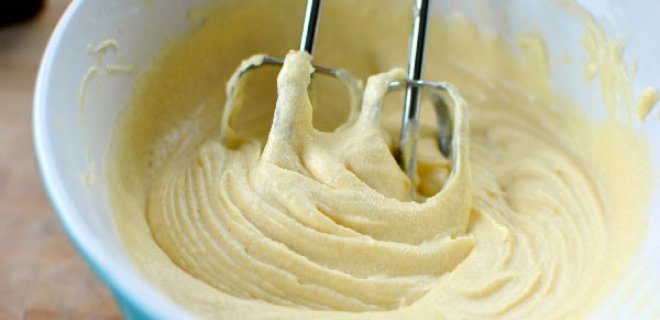
If you want the cake to rise properly and feel airy, don’t rush the mixing. Take your electric mixer and whip the sugar and egg mixture for a few minutes. The goal here is volume. You are incorporating air into the batter, which acts as a structural framework for the cake. Skipping this step will result in a dense, heavy brick instead of a fluffy slab.
Infusion of citrus fruits
Now bring the orange. You need the juice of three whole oranges, but don’t just squeeze them and move on. Take one of these oranges and zest it first. That zest holds essential oils, the true fragrance of the fruit. Grate it directly into a bowl, then squeeze the juice from all three oranges into the mixture. The bright acidity cuts through the sweetness of the sugar and eggs, creating a more complex flavor profile than regular orange juice ever could.
Oils and Leavening
Next, pour about a cup of vegetable oil. This ensures the crumb stays moist even after cooling. Then comes the leavening team: a packet of vanilla, a packet of baking powder, and a teaspoon of baking soda. The vanilla adds warmth, while the baking powder and soda work together to lift the cake as it bakes. Don’t forget the cornstarch – three tablespoons of it will help tenderize the texture and make the final product softer on the palate.
Flour threshold
This is where you judge the consistency. Gradually add plain white flour. Stop only when the batter reaches a thick, runny state. It should pour smoothly but still coat the back of the spoon. If it’s too runny, your cake will collapse. If it’s too thick, it won’t spread evenly in the pan.
Pan-Prep Secret
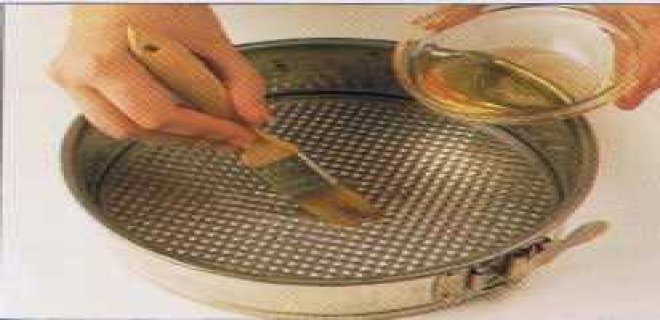
Most people grease their pans. It’s not enough. You need to grease the entire mold with oil and then sprinkle sugar on the greased surface. Shake it around so the sugar sticks to the oil.
The oil prevents the cake from sticking to the metal. The sugar, however, does something else entirely. When baked, it caramelizes and creating a sweet, crunchy crust on the bottom of the cake.
When you flip the cake out, the bottom becomes the top, providing a textural contrast that plain buttered pans simply can’t provide. It’s a small step that changes the entire eating experience.
Hidden orange layer
Let’s talk about the bottom of the pan. Most people just butter and flour it and walk away. No. This is where the magic happens when you want a piece that looks as good as it tastes.
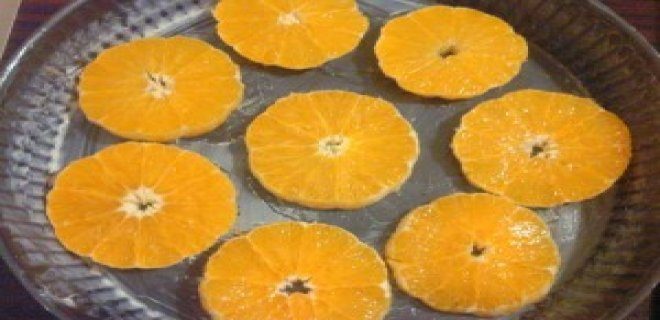
Take one orange. Cut it into very thin slices. I mean translucent thin. You want to see the light through the segments. If you’re cutting pieces, you’re doing it wrong. Arrange these delicate discs on the floor of your prepared pan. They should overlap slightly to form a mosaic.
Now pour your batter over this citrus base.
Here’s an optional but highly recommended step: Sprinkle walnuts over the wet dough before it goes into the oven. The nuts sink in just enough to harden and retain heat while the orange slices caramelize in the pan.
When you turn the cake out, the bottom becomes the top. A glossy, caramelized orange crust embedded with pieces of toasted walnut. It’s not just decoration. It’s flavor. Sweet orange, bitter almonds from walnuts and the butter cake itself.
Why bother? Because store-bought cakes are flat. There are layers here. Real. Not just vanilla and chocolate, but also texture and contrast.
Risk? You burn the orange if the oven runs hot. Check it early. But if you do it right, the first bite is crunchy, then soft, then sweet.
Most recipes skip this. They want you to hurry. Don’t rush. Slice thin. Layer carefully. Wait.
The result is not just a cake. It’s a reason to sit down at the table for five extra minutes.
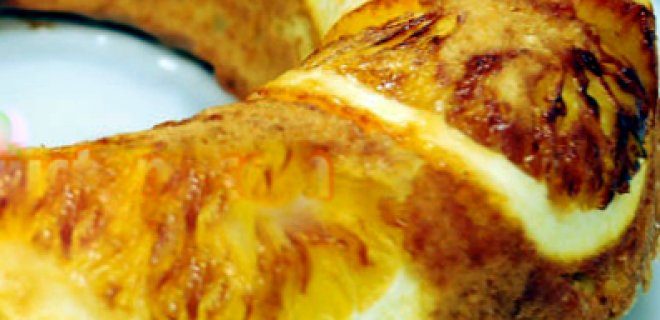
Put the tray in the oven, which is preheated to 180 degrees. Bake for 30-35 minutes.
Pay attention to the golden edge. You want the center to be firm, but still give a little when you push gently. Don’t overcook it or you’ll lose the tender crumb.
Take it away. Allow to cool just enough to handle before slicing.
Enjoy. 🍰