


Roasting isn’t just a cooking method. It is a transformation driven by dry, radiant heat. You probably did that without thinking about the physics involved. Whether it’s chicken, corn on the cob or potato, the principle remains the same. The food is exposed to high heat, which cooks it from the outside in.
This technique applies to both meat and vegetables. The goal is to concentrate the flavors through drying and caramelization. You can achieve this in a number of different ways. Some people use open flames. Others rely on an oven with a reflective surface that reflects heat onto the food. In some traditional settings, cooks bury objects in hot embers, sand, or rocks. It’s basically the same process as baking. The biggest difference is in the intensity and directness of the dry heat.
When you roast, you are playing with temperature and time. Too fast and the outside will burn before the inside cooks. Too slow and the food dries out. The trick is to find the sweet spot where the outside gets crispy while the inside stays moist. That’s why roasting is so popular among hearty vegetables. Carrots, parsnips and onions become sweet and soft. They develop a depth of flavor that simply cannot be achieved by boiling or steaming.
Meat also benefits from this method. The high heat creates an aromatic shell through the Maillard reaction. This is the chemical process that gives browned foods their distinctive flavor. It’s not just about the colors. It’s all about complexity. A roasted beef joint develops a rich, savory exterior, but remains juicy on the inside. The same goes for poultry. The skin becomes crispy and golden, adding texture to every bite.
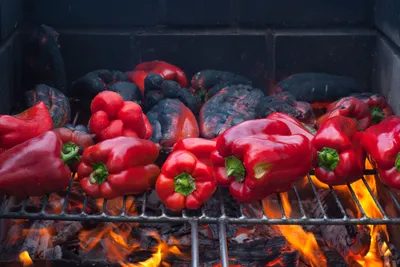
You don’t need any special equipment to start roasting. A normal oven works fine. But experimenting with different heat sources can change the outcome. Roasting over an open fire gives the food a smoky effect that cannot be achieved in indoor ovens. Charcoal can add subtle grain and flavor. Wood-burning fireplaces have their own unique profile, depending on the type of wood used. Each method offers a different experience.
Think about the vegetables you have in your fridge. Potatoes are a classic candidate. Cut into pieces, boil in oil and fry until crispy on the outside and fluffy on the inside. Corn on the cob can also be roasted well. The kernels caramelize slightly, which increases their natural sweetness. Even leafy greens like kale can be roasted into chips. The method is versatile.
The key is preparation. Dry the surface of the food before exposing it to heat. Moisture forms steam. Steam prevents browning. If you want a good roast, you must first remove the surface water. Pat the meat dry. Shake off excess water from vegetables. Then add the fat. Oil conducts heat better than air. It helps the surface to reach the temperature required for tanning.
The seasoning should be easy. Salt draws out moisture, so time it right. For meats, salt shortly before roasting. As for the vegetables, you can salt earlier to remove the internal moisture and concentrate the taste. Herbs and spices follow. Rosemary and thyme go well with lamb and chicken. Paprika and cumin work great for root vegetables. Keep it simple. Let the natural flavors shine.
Temperature control is important. High heat is generally better for roasting. It sears the surface quickly. This locks in juices, or at least
How roasting changes seeds
Not only nuts and grains are exposed to heat. Seeds also play an important role, especially when it comes to the liquids that fuel our mornings and the chocolate that comforts us. Take coffee. It starts with green beans that are already dried and processed waiting for their moment. Roasting is not a single step. It’s a gradient. Temperatures increase gradually, starting at about 180 °C (356 °F) and increasing to 250 °C (482 °F). The clock runs between 7 and 20 minutes. Why the variance? The goal defines the timeline. A light roast requires less time. A dark roast requires more.
Cocoa beans face a similar change, but the goals are changing slightly. Roasting here is about chemistry. It develops the deep, complex flavors we expect. It reduces acidity. It alleviates the bitter astringency that can make raw cocoa taste unpleasant. Moisture escapes. The color becomes stronger and changes from light to rich brown. And in practice, it makes breaking the shell easier. At one point, the bean is a hard, bitter seed. The next thing is the basis for something completely new.
Is it really the same process as toasting bread? Not exactly. There is more at stake. One degree off can make the difference between a bright, fruity note and a burnt, ashy taste. The precision matters.