


Tahini Çörek has a special magic. It’s not just a pastry; It’s a textural experience. A crunchy, flaky exterior gives way to a soft, yeasty interior surrounded by the rich, nutty sweetness of Tahini and sugar. It sounds complicated, but the process is surprisingly simple once you know the rhythm. This is not about perfection. It’s about getting the dough right and letting the heat do the work.
Let’s talk about what you really need. The ingredient list is short, but the ratio is important. You are working with a simple dough based on high quality yeast and proper hydration.
Зміст
Ingredients for the dough
- 1 kilogram of all-purpose flour
- 100 grams of sugar
- 25 grams of salt
- 75 grams of yeast (fresh or active dry yeast)
- 50 grams of margarine
- 50 grams of vegetable oil
- 300 milliliters of water
Note: The original source says “300 liters”, which is apparently a typo for milliliters. 300 liters of water would make soup, not dough.
Mixing and kneading
Start with the flour. Make a well in the center – this is where the magic begins. If using fresh yeast, crush it into a well. If you are using dry yeast, you can first dissolve it in a little lukewarm water to wake it up. However, this is not absolutely necessary.
Add margarine, vegetable oil and remaining water to the well. Then start mixing. You want to mix everything until you have a smooth, elastic dough. This requires patience. You aren’t just mixing; you are building a structure. The gluten should develop so that the finished dough has the desired bite.
Shaping the Çörek
When the dough is ready, let it rest for a while. Then roll out into a large rectangle, about the size of a baking sheet. This is where taste comes into play.
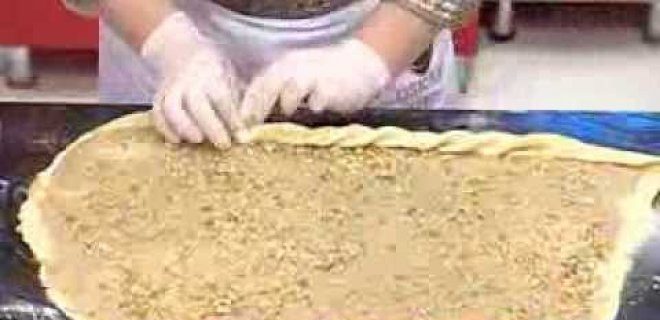
Spread a generous layer of tahini on top of the dough. Sprinkle sugar on top. The ratio is key here – don’t be shy with the sugar, but don’t drown it in tahini either. You want sweet pockets, not a solid block of paste.
Roll the dough tightly into a roll, such as a jelly roll or a burrito. This “bocha” shape is essential. It captures the layers. Let it rest for a while to relax the gluten.
Now the fun part. Roll the log into a long thin strip. Then take that strip and wrap it around itself. You can twist it, you can spiral it, but the goal is to create these different layers. When you bake it, these layers separate and create a flaky texture that everyone loves.
Why this works
The combination of margarine and oil in the dough is interesting. Margarine gives flavor and texture, while oil keeps the crumb tender. It’s a hybrid approach that balances richness and lightness. Tahini is not just a filling; It’s part of the dough
The dough is not ready yet. You have to give it life.
First put the shaped loaves in a 75-degree oven for just 10 minutes. This is the second rise. This way the pockets rise properly before the shell hardens. Don’t skip this. It makes the difference between dense and airy.
Take them out after these 10 minutes. Brush the tops with egg yolk. This gives them a deep, golden brown sheen.
Now sprinkle the toppings on top. Sesame seeds are a classic. Nigella seeds (black cumin) provide a nice crunch and earthy flavor. You can use both. Or just one. Or not at all. It’s up to you.
Put them back in the oven. Increase the heat to 180 degrees. Bake until golden brown. Watch them closely towards the end so they don’t burn.
Take them off. Allow them to cool slightly.
The smell of tahini and warm bread fills the kitchen. The wait is worth it.
Tahini pita bread: how to make it?
People often ask how to get that particular flavor. The secret lies in the Tahini. It adds a nutty richness that traditional pita lacks. You also need to let the dough rest. Patience is the most important ingredient.
Which tahini should you use?
Choose a smooth sesame paste that is not too bitter. If it tastes bitter, rinse it with hot water before adding it to the dough. This removes the harsh edge.
Where can you buy tahini?
In most large supermarkets it is in the international foods aisle. Look for brands that use only sesame seeds and sometimes a little oil. If possible, avoid brands with added sugars or preservatives.
How long does it last?
Store the bread in an airtight container at room temperature. It stays fresh for about 2 days. You can also freeze them. Wrap them well in plastic wrap and foil. They last 3 months. Thaw them at room temperature or heat them in a toaster.
Why does my pita not puff?
If your breads are not forming pockets, check the yeast. Is it fresh? Is the water warm enough (not hot)? Also, make sure you knead the dough well. Gluten development is key. And yes, those first 10-minute rest are important. It gives the yeast time to work before the high heat hardens the structure.
Can I do without the egg?
Yes. Use flax egg or just brush with water. The yolk is mainly used for coloring. The structure is the same.
How much tahini is too much?
Start with 2 tablespoons. You can add at any time. Too much can make the dough heavy. You want a light, fluffy bread. Not a brick.
What’s the best way to serve it?
Warm it up. Spread it with hummus. Add feta cheese. Maybe a few slices of cucumber and tomato. Or eat it plain with a little olive oil. It is versatile.
**Why is tahini used in bread?