


Professional pastry chefs, the experts behind our sweetest indulgences, know a thing or two about quality. While they appreciate the craft, they also recognize signs of mass-produced, low-effort desserts that no serious kitchen would serve. Several red flags signal a disappointing experience, from frozen cheesecakes to over-garnished plates. Here’s what six industry professionals say they skip on the dessert menu — and why.
Chain Restaurants and Pre-Made Sweets
The biggest warning sign? Corporate consistency. Restaurants that prioritize uniformity across locations often rely on commercially baked goods. Pastry chef Amelia Geist notes that chain establishments are likely to source desserts from off-site kitchens rather than making them fresh daily. Executive pastry chef Ricky Saucedo puts it bluntly: a menu limited to brownies, cake slices, and lonely crème brûlées is a clear indicator of pre-made quality. Even perfectly uniform cake slices are a giveaway, signaling wholesale bakery production.
This matters because consistency comes at a cost – often, the cost of freshness and care. Restaurants with limited pastry staff simply cannot afford to make everything in-house.
The Most Common Culprits
Several desserts consistently raise pastry chefs’ eyebrows:
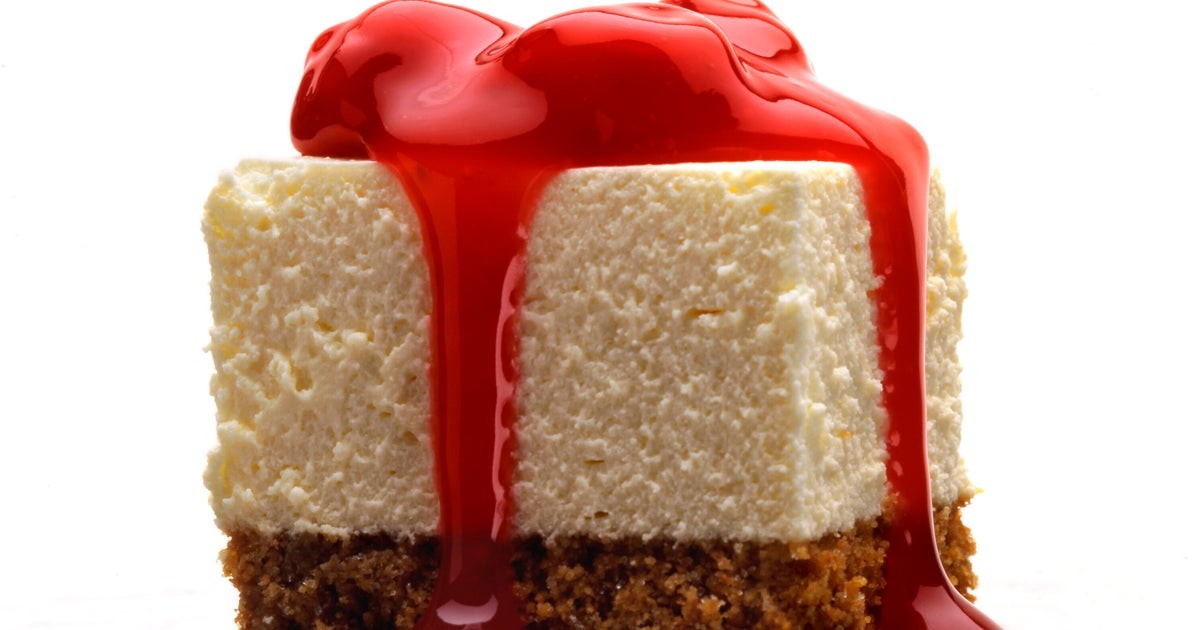
- Cheesecake : Often frozen and thawed, classic cheesecakes are frequently mass-produced. Gus Castro recalls buying a full cake that needed two hours to defrost — proof of industrial origins. Even if made “in-house,” cheesecakes can be poorly executed, with forgotten sugar or spoiled ingredients.
- Crème Brûlée : Executive pastry chef Daniella Lea Rada points to the use of powder bases and imitation vanilla as cost-cutting measures. Overcooked, grainy textures and improper torching are further giveaways. The ubiquitous strawberry garnish? “So old-fashioned.”
- Brownies and Pies : These staples are easy to outsource, making them frequent targets for commercial baking. Geist notes that buying brownie mix is cheaper than hiring a pastry chef, and seasonal pies are often stored frozen for convenience.
- Molten Lava Cake : Cheap chocolate and artificial flavor enhancers ruin this classic. Carelys Vasquez and Rada agree that mass-produced lava cakes lack the quality ingredients of a proper chocolate dessert.
- Key Lime Pie : The worst offender. Martinez calls it “underwhelming, lacking in creativity, too sweet and usually frozen.” Rada agrees: soft crust, overly sweet curd, and artificial flavors are instant turnoffs.
The Devil is in the Details
Beyond specific dishes, presentation matters. Excessive or lazy garnishing — whipped cream star piping, rose-sliced strawberries — suggests the dessert was not crafted with care. Saucedo warns against desserts drowning in sugar, caramel, or candy pieces, arguing that balance is key.
The key takeaway? Pastry chefs value freshness, quality ingredients, and thoughtful execution. They avoid desserts that betray corners cut for profit.
Ultimately, if you want a dessert worth ordering, look for menus that emphasize seasonal ingredients, in-house preparation, and attention to detail. Skip the mass-produced options, and your palate will thank you.