





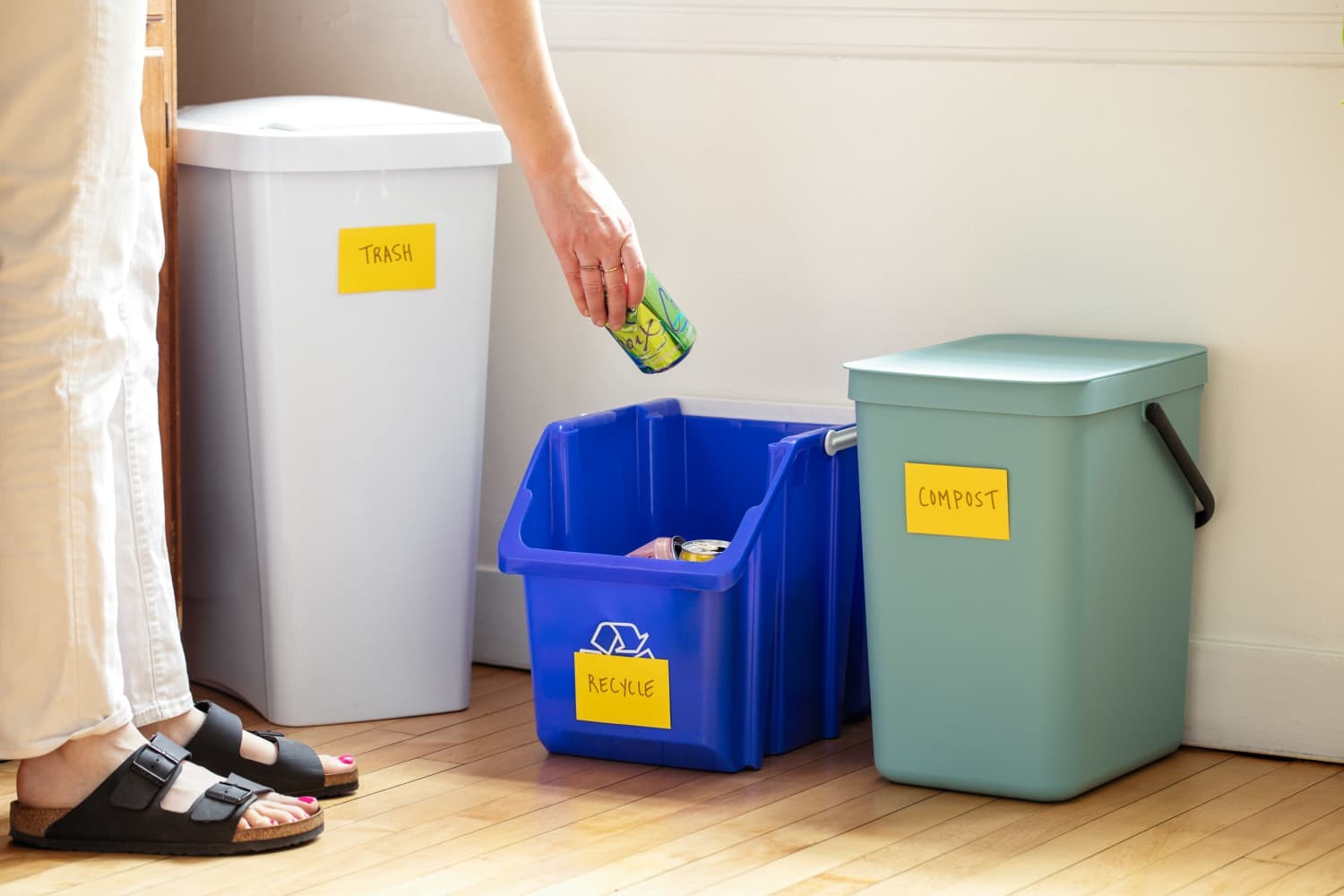
Many people approach recycling with a mix of good intentions and deep skepticism. With rumors circulating that much of what we sort ends up in landfills anyway, it is easy to feel that the effort is futile. However, experts suggest that the problem often isn’t the system itself, but rather how we interact with it.
To clear up the confusion, we consulted Kevin Hartley, CEO of Cambio Roasters, and Elena Tinschert, a program manager at the nonprofit Big Reuse. Their insights reveal that while the plastic recycling crisis is real, small changes in how we sort and clean our waste can make a massive difference.
Зміст
The Reality Check: Why Recycling Feels Broken
It is true that the system has significant flaws. According to Hartley, only about 5% of plastic in the U States is actually recycled, and much of what is processed undergoes “downcycling”—being turned into lower-quality items rather than being reborn as the same product.
This is why material choice matters. While plastic is difficult to manage, other materials are much more efficient:
– Aluminum: 100% recyclable and highly coveted; roughly 75% of all aluminum ever produced is still in use.
– Steel and Glass: Both are considered infinitely recyclable.
“It’s better to do it than to not do it,” says Tinschert. “We have to think of ways to reduce our waste.”
4 Common Mistakes That Ruin Recycling Batches
When we recycle incorrectly, we don’t just fail to help; we can actually cause harm by contaminating entire batches of otherwise good material.
1. “Wish-cycling”
This occurs when consumers toss non-recyclable items into the bin hoping they will be processed. This is dangerous for the system. A single greasy fast-food wrapper or a piece of non-recyclable plastic can contaminate a whole load, forcing the entire batch to be diverted to a landfill.
* Pro Tip: Stick to highly recyclable materials like paper, glass, steel, and aluminum. For plastics, look for resin codes 1 and 2, which are the most widely accepted.
2. Neglecting to Rinse
Food residue is a major contaminant. If a container is covered in food or liquid, it may be rejected by sorting facilities.
* The Rule: Rinse your recyclables with water (soap isn’t necessary) and ensure they are dry —especially paper and cardboard, which can become soiled and unrecyclable if they get damp.
3. Poor Sorting and Mixed Materials
Many people assume everything goes in one bin, but many municipalities require separation.
* Avoid Mixed Materials: If an item is a combination of cardboard, plastic, and foil, it is often impossible to recycle.
* The Lid Rule: Keep plastic lids screwed tightly onto plastic bottles. For glass jars, metal lids should be screwed back on or placed inside the jar. However, avoid “flimsy” plastic lids (like those from takeout coffee cups), as they are low-value and usually not recyclable.
4. Forgetting Aluminum Foil
Many people assume foil is trash, but clean aluminum foil is fully recyclable. Just ensure it is rinsed of all food residue before tossing it in the bin.
Beyond the Bin: Expanding Your Impact
Recycling is only one part of a broader environmental strategy. To truly reduce your footprint, consider these three pillars:
♻️ Specialized Recycling
Standard curbside bins are not meant for everything.
– Electronics (E-waste): Never put electronics in your standard recycling; batteries pose a fire risk. Look for dedicated e-waste collection days or centers.
– Clothing: Instead of throwing clothes away, donate them to thrift stores or textile recyclers. This keeps fabric out of landfills and gives items a second life.
🌱 Composting
Diverting organic waste is one of the most effective ways to fight climate change. Hartley notes that if Americans diverted organic waste, it could reduce greenhouse gas emissions by over 50%.
* Easy Tip: To avoid smells or pests at home, keep your food scraps in a sealed container in the freezer until collection day.
📉 The Hierarchy of Waste: Reduce and Reuse
The most effective way to manage waste is to not create it in the first place.
– Buy in Bulk: Choosing large tubs of yogurt over individual servings reduces plastic volume.
– Choose Reusables: Switch to stainless steel water bottles, cloth tote bags, and reusable coffee cups.
– Repurpose: Before discarding a container, ask if it has a second life—like using a milk jug as a watering can.
Conclusion
Recycling is not a perfect solution, but it is a vital tool when done correctly. By focusing on high-value materials like aluminum, ensuring items are clean and sorted, and prioritizing reduction and reuse, individuals can significantly decrease their environmental impact.