




The shift toward sustainable living is moving from a niche trend to a mainstream consumer demand. Recent user feedback highlights a growing preference for compostable, reusable bags as a practical solution to the global plastic waste crisis.
While traditional single-use plastics offer convenience and low cost, they present long-term environmental challenges. Consumers are increasingly looking for products that bridge the gap between durability and ecological responsibility.
Performance Meets Sustainability
Early adopters of compostable bag alternatives report that these products do not require a compromise on quality. Unlike many eco-friendly alternatives that can feel flimsy, these bags are proving their worth in high-demand scenarios:
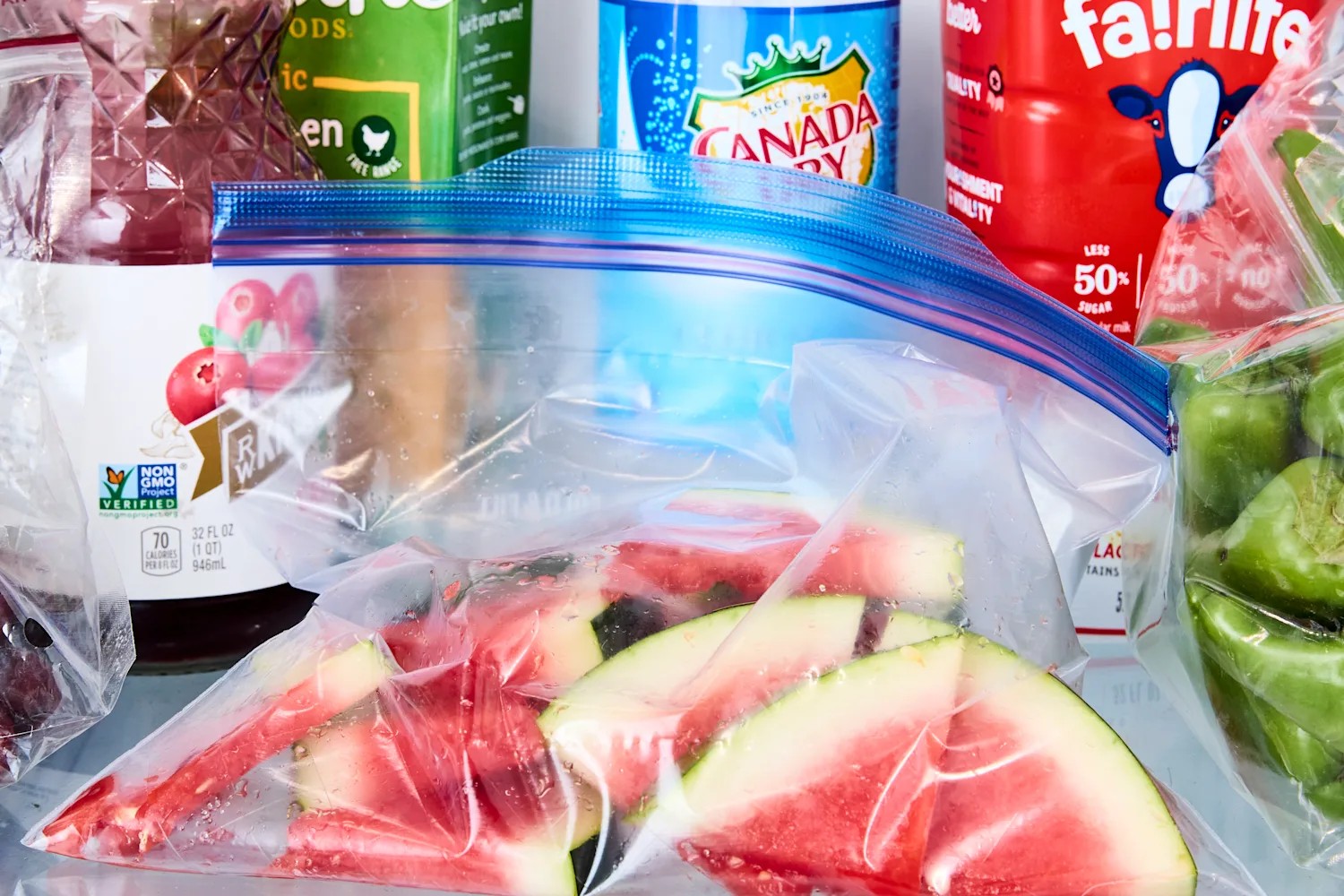
- Durability: Users note that the bags are sturdier than standard plastic “baggies,” making them reliable for heavy groceries or daily errands.
- Functional Design: Improved structural features, such as tongue-and-groove seals, make them easier to use and more effective at maintaining airtight environments.
- Versatility: They perform reliably across various temperatures, proving effective for both refrigerated and frozen food storage.
The Value Proposition: Beyond the Price Tag
A common barrier to sustainable shopping is the “green premium”—the higher cost often associated with eco-friendly goods. However, recent consumer sentiment suggests that the perceived value is shifting.
For many, the added cost is justified by two main factors:
1. Enhanced Utility: The superior strength and ease of use compared to traditional plastic.
2. Environmental Impact: The peace of mind that comes from using a product that breaks down naturally rather than persisting in landfills for centuries.
Why This Shift Matters
This trend reflects a broader movement in the retail industry: the transition from a linear economy (take, make, waste) to a circular economy (reduce, reuse, compost). As consumers prioritize products that “break down naturally,” they are effectively voting with their wallets for a future with less plastic pollution.
The move toward compostable alternatives represents a successful intersection of consumer convenience and environmental stewardship.
Conclusion
As compostable technology improves in both strength and ease of use, it is becoming a viable, high-quality replacement for traditional plastics. This shift indicates that when sustainability meets functional reliability, consumers are willing to embrace more eco-conscious habits.