



In the hospitality industry, there is a fine line between a legitimate grievance and what professionals call “hostile hospitality.” While restaurants are designed to accommodate mistakes, service workers often find themselves on the receiving end of behaviors that have little to do with the quality of the meal and everything to do with customer temperament.
Зміст
The Psychology of the “Difficult” Diner
For many restaurant professionals, the act of sending food back is rarely just about a cold steak or a missing ingredient. Industry experts suggest that several underlying factors drive these interactions:
- The Power Dynamic: The transactional nature of dining—paying someone to serve you—can inadvertently trigger a desire for control in certain personalities.
- Strategic Complaining: Some customers view dissatisfaction as a tactical tool. As New York caterer Chef Rossi notes, there is a lingering belief that complaining is a “golden ticket” to securing discounts or free items.
- Emotional Displacement: Often, a customer’s frustration with a meal is actually a projection of personal stress, such as an argument with a dining companion or a bad day.
“It’s rarely about the food in those moments,” says Atlanta-based cocktail curator Keyatta Mincey. “It’s about control, and that’s when it becomes uncomfortable for everyone involved.”
From the Trenches: Bizarre and Unreasonable Requests
Staff members recount a variety of “doozy” incidents that highlight just how far some diners will go to express dissatisfaction. These range from the nonsensical to the outright rude:
- The “Vibe” Check: Mincey recalls a guest sending a cocktail back three times because they “didn’t like the energy it was made with.”
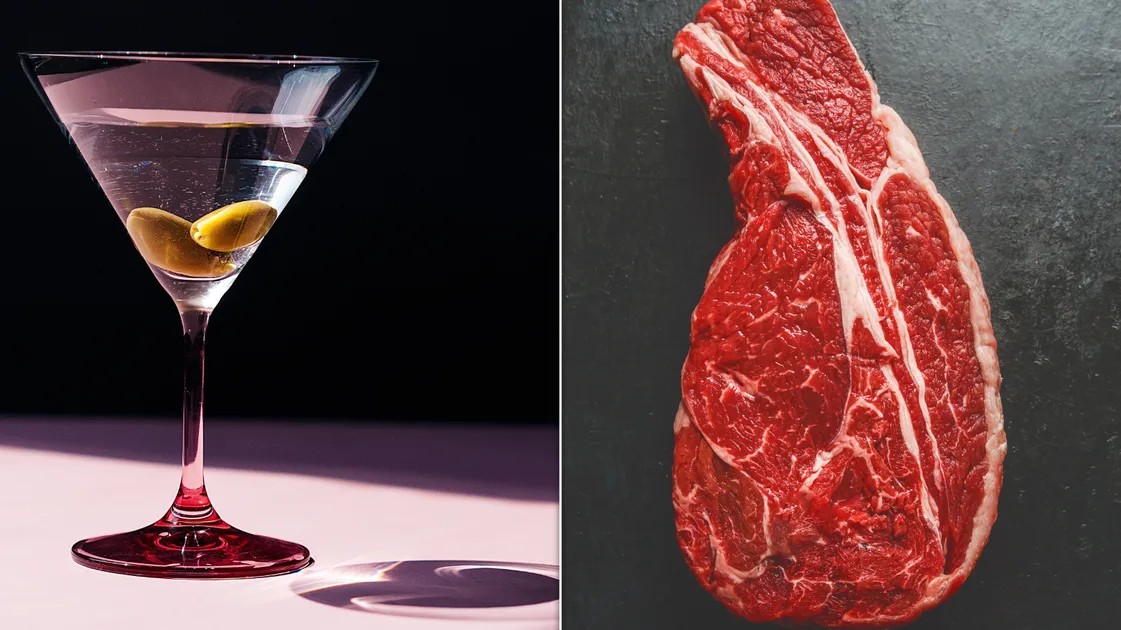
- The Visual Critique: Chef Rossi describes a diner who rejected a steak simply because they believed it “looked like the state of Florida.”
- The Untouched Rejection: Hospitality veteran Alana Fineman shares a story of a regular who sent back steaming hot mussels without tasting them, claiming they were “ice cold” simply because they were too hot to eat immediately.
- Disrespectful Communication: Beyond the food itself, service workers report being snapped at, having plates pushed away without a word, or even having customers walk directly into the kitchen to confront chefs.
The Lifecycle of a Returned Dish: What Happens Next?
A common concern for diners is the environmental and financial impact of food waste. How a restaurant handles a returned plate depends heavily on its specific protocols and whether the food has been touched.
The Waste Reality
In the modern era, food safety standards have become much stricter. While some kitchens used to repurpose untouched food for staff, many chefs now report that if a customer has touched a plate, it is discarded immediately to ensure safety and hygiene.
The “Rescue” Methods
When a mistake is minor, kitchens often employ “rescue” tactics to minimize waste:
– Re-cooking: If meat is underdone, it is placed back on the grill.
– Component Reuse: If a customer requests a different bread or sauce, chefs may reuse the untouched garnishes or fillings.
– Management Distribution: If a dish is returned completely untouched, it is frequently given to the restaurant staff or management.
How to Handle Mistakes Gracefully
The hospitality industry emphasizes that guests should speak up if a meal is incorrect, but how they do it makes a significant difference in the quality of service they receive.
- Be a Collaborator, Not an Adversary: Mincey suggests approaching servers with kindness. Instead of a demand, try: “I don’t think this is quite for me; could you recommend something else?”
- Timing is Critical: The best time to raise an issue is during the “two-bite check-in.” Waiting until the entire meal is finished to ask for a discount is viewed as poor etiquette and makes it harder for the restaurant to rectify the error.
- Address it In-Person: While digital feedback is common, industry experts note that complaining via email days after a meal prevents the restaurant from actually fixing the problem in real-time.
The Bottom Line: While mistakes are an inevitable part of dining, the difference between a professional correction and a hostile confrontation lies in the customer’s approach. Treating service staff as partners in your dining experience typically results in much better service than treating them as subordinates.