



The Beckham family has long been a staple of celebrity culture, with each of the four children carving out their own niche in the spotlight. From Brooklyn’s culinary pursuits to Romeo’s modeling and Harper’s growing presence, the transition from “Beckham children” to independent public figures has been a central theme of their lives. However, a recent social media interaction involving Cruz Beckham has shifted the conversation from music to family dynamics, leaving many fans feeling a sense of “second-hand embarrassment.”
The Post That Sparked Controversy
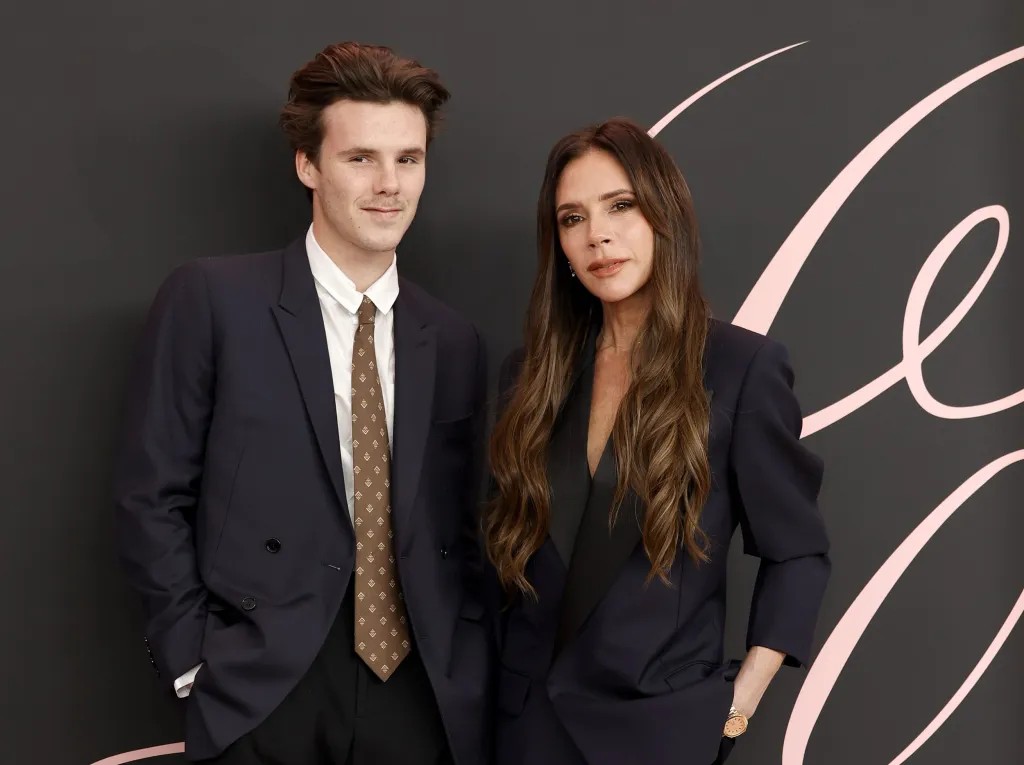
While promoting his new album, WASTE YOUR PAIN, Cruz Beckham shared a series of artistic, shirtless photos on Instagram. The post was intended to build momentum for his musical debut, but the focus quickly shifted away from the music and toward a comment left by his mother, Victoria Beckham.
In response to the post, Victoria commented with a GIF of herself asking, “What is it?”
While the intention may have been a lighthearted or “cheeky” maternal interaction, the reaction from the public was far from unanimous.
A Divided Fanbase
The digital response highlighted a growing tension in how celebrity parents interact with their adult children online. The reactions can be categorized into two distinct camps:
- The Amused Supporters: Some followers viewed the interaction as a typical, playful mother-son moment, common in the era of highly public social media profiles.
- The Critics: A significant portion of the audience expressed discomfort, labeling the interaction as “creepy” or “double cringe.” Many users reported feeling “second-hand embarrassment,” suggesting that the comment crossed an invisible line of social decorum for a young adult establishing his own professional identity.
Why This Matters: The Celebrity Parent Dilemma
This incident highlights a broader trend in the age of Instagram: the blurring of boundaries between private family life and public brand management.
For the Beckhams, social media is both a tool for connection and a platform for professional promotion. When a parent engages with a child’s promotional content, they risk one of two things:
1. Humanizing the celebrity, making them appear relatable and grounded.
2. Undermining the artist’s autonomy, making the child appear as an extension of the parent rather than an independent professional.
In Cruz’s case, the “cringe” factor reported by fans often stems from this perceived lack of boundaries, where the parental role clashes with the need for the artist to maintain a mature, self-contained public image.
As celebrity children transition into adulthood, the way their parents interact with them online becomes a litmus test for how much of their personal lives remain private versus how much is used to fuel the family brand.
Conclusion
While Victoria Beckham likely intended to show support for Cruz’s musical launch, her public comment has ignited a debate regarding the appropriate boundaries for celebrity parents on social media. The backlash suggests that for many fans, the line between “supportive parent” and “overly involved” is increasingly