


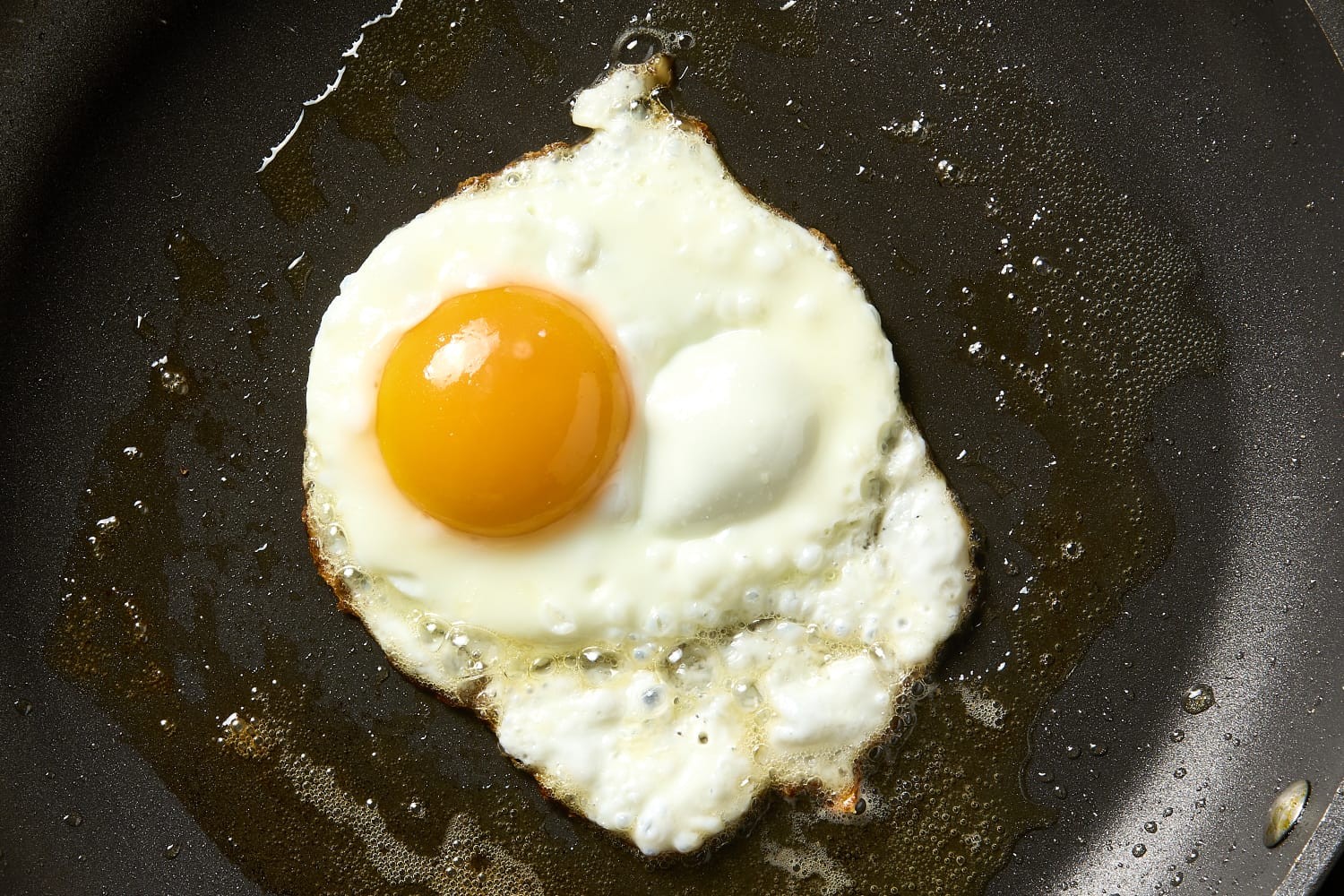
The fried egg is a culinary paradox: it is one of the simplest dishes to prepare, yet one of the most difficult to master. Whether it is crowning an avocado toast, tucked into a breakfast taco, or resting atop a gourmet burger, the texture and temperature of the egg can make or break a meal.
To demystify the process, we consulted four culinary experts—Emmy Clinton (recipe developer), Colu Henry (food writer), Tara Thomas (chef), and Caroline Schiff (James Beard award nominee)—to identify the professional techniques required to achieve perfection every time.
Зміст
The Essential Preparation
Success begins before the egg even touches the heat. The experts highlighted three critical preparatory steps:
- The “Bowl Method”: To avoid the frustration of broken yolks or stray shell fragments, both Clinton and Schiff recommend cracking your egg into a small separate bowl first. This allows you to inspect the egg before gently sliding it into the pan.
- Temperature Matters: Using eggs straight from the refrigerator can lead to uneven cooking. Colu Henry notes that room-temperature eggs cook more consistently, preventing a scenario where the whites are overdone while the yolk remains icy.
- The Right Surface: A nonstick pan is considered a non-negotiable. While stainless steel is possible, it requires significantly more fat to prevent sticking. For those seeking a professional edge, a seasoned cast-iron skillet is a top recommendation.
Mastering Heat and Fat
The most significant debate among chefs lies in the management of heat and the choice of cooking fat.
The Role of Butter
There is a unanimous consensus: butter is the superior fat for fried eggs. To maximize flavor and texture, use a generous amount and ensure it is fully melted. Caroline Schiff suggests using clarified butter ; because it has a higher smoke point, it provides a rich flavor without the risk of burning.
The Heat Debate
While the chefs agree on the importance of heat control, their preferred methods vary based on the desired end result:
* Low and Slow: Emmy Clinton advocates for low heat to achieve a “slow crisp” rather than a burnt exterior. This prevents the whites from becoming rubbery before the yolk warms.
* High and Fast: Conversely, Schiff suggests a very hot pan, noting that you shouldn’t disturb the egg until the edges begin to crisp and set.
* Medium Heat: Colu Henry finds the middle ground, opting for a steady medium heat to avoid a “scorching” pan.
Techniques for Texture: Basting vs. Steaming
Depending on whether you prefer a runny yolk or fully set whites, chefs utilize two distinct professional techniques:
- Basting: This involves constantly spooning melted butter over the top of the egg while it cooks. This method creates a signature texture: crispy edges, set whites, and a silky, runny yolk.
- Steaming: For those who want the whites completely cooked through without flipping the egg, Clinton and Thomas suggest adding a tablespoon of water to the pan and covering it with a lid. This uses steam to cook the top of the egg, resulting in a beautiful, opaque finish.
Adding Depth with Seasoning
A plain fried egg is a blank canvas. Most experts recommend seasoning with salt and pepper during the cooking process to build deeper flavor profiles. For those looking to elevate the dish further, Tara Thomas suggests adding:
* Seeds or salsa macha
* Fresh cilantro
* Served on toasted corn tortillas
The Bottom Line: Achieving a perfect fried egg relies on controlling temperature, using plenty of butter, and choosing a cooking method—either basting or steaming—that aligns with your preferred yolk consistency.