

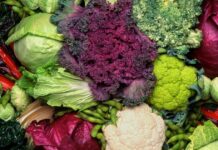


A simple kitchen habit – chopping cruciferous vegetables and letting them rest before cooking – can significantly increase the amount of beneficial compounds your body absorbs. These vegetables, including broccoli, cabbage, and kale, contain a powerful substance called sulforaphane, linked to reduced inflammation, improved cellular health, and even potential cancer prevention.
Зміст
The Power of Sulforaphane
Sulforaphane isn’t immediately available in these vegetables; it’s created through a chemical reaction when the plant cells are damaged. Chopping or crushing cruciferous vegetables breaks down cell walls, allowing an enzyme called myrosinase to interact with a compound called glucoraphanin, forming sulforaphane. This process is key because sulforaphane activates the Nrf2 pathway – the body’s natural defense system against oxidative stress and inflammation.
Recent studies suggest sulforaphane may also improve blood sugar control in people with type 2 diabetes and support cardiovascular health by improving cholesterol levels. Early clinical trials even hint at its potential role in slowing tumor formation.
The 30-Minute Rule
To maximize sulforaphane production, let chopped cruciferous vegetables sit for 30 to 40 minutes before cooking. This allows the enzymatic reaction to complete. Heat destroys myrosinase, so immediate cooking reduces sulforaphane formation.
Frozen, canned, or pre-chopped vegetables lose some enzyme activity during processing, reducing sulforaphane levels, but still provide fiber and other nutrients.
Cooking Methods Matter
How you cook affects sulforaphane retention:
- Avoid: Long boiling, high-power microwaving, or pressure cooking.
- Better: Light steaming (3-4 minutes until bright green), quick stir-frying, or eating raw (salads, sprouts).
- Worst: Roasting at high temperatures destroys the enzyme.
The Bigger Picture
Sulforaphane activates AMPK, a key enzyme that regulates energy use in cells, boosting antioxidant production. However, consistent intake of properly prepared cruciferous vegetables is only one piece of the health puzzle. Calorie restriction and a balanced diet remain the most powerful drivers of metabolic health.
Incorporating sulforaphane-rich foods into a broader healthy eating pattern, like the Mediterranean diet, is likely to yield the greatest long-term benefits. This simple chopping trick, while meaningful, is most effective when combined with overall good nutrition.