


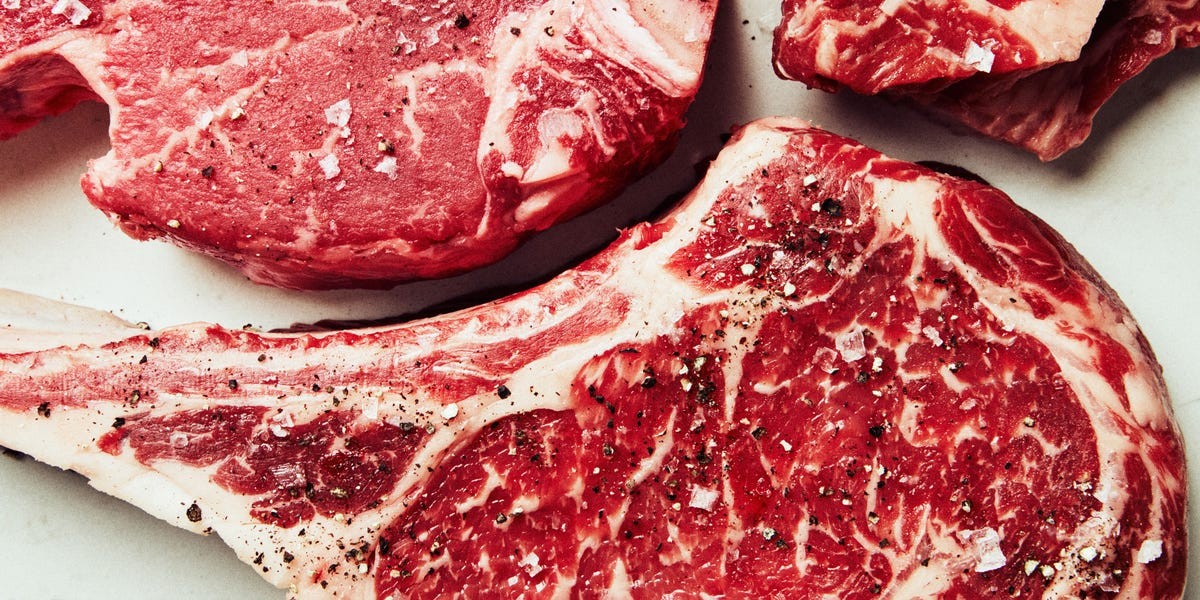
New research suggests a surprising connection between meat intake and cognitive health: higher consumption may reduce dementia risk… but only for people with specific genetic predispositions. This finding complicates existing dietary recommendations, which generally advise limiting meat due to links with heart disease, diabetes, and cancer.
The Genetic Factor: APOE Genotypes
The study, published in JAMA Network Open, analyzed 15 years of data from over 2,100 older adults in Sweden. Researchers found that individuals carrying the APOE 3/4 or APOE 4/4 gene variants – approximately 25% of Americans – experienced more than double the risk of dementia if they ate less than 7 ounces of meat per week. Conversely, those with these genotypes who consumed higher amounts (over 30 ounces weekly) showed no such increased risk.
Why does this matter? The APOE gene plays a critical role in Alzheimer’s disease; most patients carry the APOE 3/4 or 4/4 genotype. This suggests an evolutionary link, as lead researcher Jakob Norgren notes: “APOE4 is the evolutionarily oldest variant… and may have arisen when our ancestors ate a more animal-based diet.”
Processed vs. Unprocessed Meat
The study clarifies that it’s not just any meat that offers this potential benefit. While processed red meat (bacon, sausage, deli meats) remains linked to higher dementia risk, unprocessed red meat (beef, pork, chicken, fish) appears protective for those with the APOE 3/4 or 4/4 genotypes.
What Doctors Say: Caution and Further Research
Neurologists emphasize that these findings are preliminary and shouldn’t prompt widespread dietary changes. Testing for APOE genotypes isn’t standard practice, making it difficult to apply the results clinically. Experts like Aviva Lubin, MD, note that this research “could add to our treatment plans” if generalized, but more study is needed. Clifford Segil, DO, recommends continuing to prioritize fish and poultry over red meat, as those benefits are well-established.
“Ultimately, more research needs to be done before doctors recommend that patients start chowing down on steak to lower their risk of dementia.”
The study highlights the complex interplay between genetics, diet, and cognitive health. While this research offers a new perspective, it underscores the need for personalized dietary recommendations based on individual genetic risk factors.


