




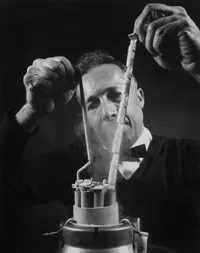
Infertility is a heavy weight to carry. For some, the path to conception is blocked by sterility or simply low odds. That is where sperm banks —also called cryobanks—step in. These aren’t just storage lockers. They are clinical facilities offering andrology lab services. You get semen analysis. You get access to frozen donor sperm. You get long-term storage.
Why would a healthy man walk into a lab and give up his genetic material? The motives usually fall into two distinct buckets.
First, there is preservation. Men often bank sperm before facing fertility-killing threats. A vasectomy. Cancer treatment. Surgery. Gender reassignment. Or a diagnosis of oligozoospermia (low sperm count). Then there are the men whose jobs threaten their future. Soldiers. Athletes. People working with environmental pollutants. They bank now so they have options later.
Second, there is altruism. Or money. Some men donate to help infertile couples conceive. Others help single parents start families. It is a transaction of biology for benefit.
The history here is older than you might think. Human conception using donor sperm dates back to the 18th century. But freezing it? That had to wait. The 20th century brought the first real attempts to freeze, store, and thaw. The breakthrough came in 1949. Scientists found that using glycerol to freeze semen was less likely to damage the sperm.
Then came Jerome K. Sherman.
Sherman was a doctoral candidate at the University of Iowa in the early 1950s. He studied cryobiology—the science of organisms and cells at sub-zero temperatures. His research led to a method for successfully freezing and thawing sperm without ruining them. In 1953, he founded the world’s first sperm bank. From that specific bank, the first human birth from cryopreserved sperm was recorded.
It took twenty more years for the idea to become culturally acceptable. Society wasn’t ready.
Today, the barriers to entry are high. Getting into Harvard is hard. Yale is hard. Both accept less than 10% of applicants. Sperm banks often boast acceptance rates even lower than that.
Зміст
The Strict Criteria for Sperm Donors
You cannot just walk in with a sample and a smile. The process is rigorous.
Health and Genetics
Donors undergo extensive medical screening. They are tested for genetic disorders. Infectious diseases. Heritable conditions. If your family history is messy, you are likely out. The goal is to ensure the resulting child does not inherit preventable health issues.
Education and Intelligence
Many banks prioritize donors with college degrees. High IQ scores can be a factor. The idea is to provide parents with options that align with their hopes for their child’s future. It is a marketplace of traits.
Physical Standards
Height. Eye color. Hair color. These details matter to buyers. Donors are often photographed nude. Their physical attributes are cataloged in detail. If you do not meet the aesthetic standards of the bank’s clientele, your sample will not be stored or sold.
Age Limits
Most banks have strict age ranges for donors. Typically between 18 and 39. Younger sperm is generally considered more viable. Older donors may be rejected due to increased risk of genetic mutations associated with paternal age.
The Commitment
Donating is not a one-time event. It requires time. Many sperm banks require donors to visit the facility multiple times a week
The Real Cost of Giving
Becoming an altruistic sperm donor isn’t just about showing up with a specimen. It’s a rigorous vetting process that strips away anonymity and exposes your health history to scrutiny. While requirements shift from bank to bank, the core structure remains stubbornly consistent: an application, initial visits, testing, and a screening so deep it feels like an investigation.
Men of every ethnicity and background are welcome, provided they clear the baseline hurdles. You must be between 18 and 40 years old. You need to commit to the program for six months to a year. You must hand over your family’s medical history, tracing back two or three generations. You cannot have chronic health problems.
Some institutions add extra layers of gatekeeping. A college degree—or enrollment in one—is often mandatory. The Sperm Bank of California goes further, requiring donors to be at least 5 feet 7 inches tall. Height matters there.
The Sample and the Wait
Once you meet those criteria, you provide semen samples. This happens on-site. To ensure viability, you must abstain from ejaculation for 48 hours prior. If your sperm count is high enough, the real work begins.
You are tested for sexually transmitted infections and genetic diseases. You undergo interviews. You face a medical examination.
The screening process is vigorous. It typically takes three months to complete. Acceptance rates are notoriously low. Top sperm banks report accepting fewer than 5 percent of candidates. At the Xytex facility in Georgia, less than 1 percent of men who inquire even make it to the evaluation stage. Most are filtered out before they start.
Contracts and Compensation
If you pass, you sign a contract. You agree to ongoing health screenings provided by the bank. In return, you are paid for each sample that meets their standards. Rates range from about $75 to hundreds of dollars per sample.
Your profile is then made public to potential recipients. It includes your medical and family history. Some banks include voice clips. Others include childhood and adult photos.
You must choose your level of anonymity. This decision defines your future interaction with the children you help create.
Identity Release vs. Anonymity
Anonymous donors often provide detailed descriptions of themselves and their families. They agree to this on the understanding that they will never communicate directly with recipients or their offspring. Their records remain indefinitely sealed. Some banks allow these donors to switch to ID Consent status later, if they change their minds.
ID Consent donors, also known as Identity-Release donors, agree to let the sperm bank release identifying information to offspring who reach the age of 18. This status is not a guarantee of contact. The program is designed to give offspring access to their genetic background. It does not guarantee the donor will be found. It certainly doesn’t guarantee the donor will be willing to meet them. Sperm banks do not provide locating services.
Both donors and recipients are advised to review contracts with independent legal counsel. Financial obligations and donor rights are complex.
But how is the collection actually performed? Next, we’ll explore the mechanics of sperm banks and the regulations that govern them.
The logistics of donating are stricter than you might expect. Donors don’t just drop off a sample and walk away. Once accepted, they’re on a schedule. Every few days to once a week, samples are collected. But timing matters. Donors are told to abstain from ejaculation for two to seven days before a donation. Why? To ensure an optimal specimen. More volume. Better concentration. It’s a balancing act between biological necessity and logistical efficiency.
How Collection Actually Works
You have two main paths for collection. The first is on-site. You go to the lab during business hours. You’re led to a private room. You use a clean, dry container. It’s straightforward. Clinical. Maybe a little awkward if you’re used to doing this elsewhere.
The second option is the Priority Male Overnight Collection Kit. This is for those who can’t make the commute or prefer privacy. The kit arrives with a special sterile container and a pre-paid FedEx label. You prepare the specimen at home. You send it overnight via air transportation. It’s designed for speed. Several top banks associated with Cryogenic Laboratories Inc. (CLI) use this method. It works. But it requires discipline. You have to keep it cold. You have to track the time. One mistake and the sample is gone.
The Screening Gauntlet
Screening isn’t a one-time event. It’s continuous. Donors are tested for sexually transmitted diseases and genetic issues repeatedly. Always. Cystic fibrosis is checked in everyone. Chromosome analysis, or karyotyping, is standard.
But ancestry changes the checklist. If you have specific heritage, you’re screened for more. Much more.
- Tay Sachs disease
- Canavan disease
- Gaucher disease
- Bloom syndrome
- Fanconi anemia Type C
- Niemann-Pick Type A
- Mucolipidosis Type IV
- Familial Dysautonomia
- Breast and Ovarian Cancer (BRCA-1 and 2) gene mutations
- Thalassemia
- Sickle cell disease and other hemoglobinopathies
Why such extensive lists? Because some conditions are more prevalent in certain populations. It’s risk management. It’s also expensive. But it’s non-negotiable for reputable banks.
The Quarantine Rule
Since the AIDS epidemic emerged in the 1980s, the rules changed. Artificial donor insemination now uses only frozen and quarantined sperm. No fresh samples. Ever.
The FDA and the American Society for Reproductive Medicine (ASRM) mandate a six-month quarantine. Then, retesting. If you pass, the sperm is released. If you fail, it’s destroyed.
Banks also reject donors with exposure or infection history for:
– HIV
– Hepatitis B
– Hepatitis C
– HTLV
– Syphilis
– Genital herpes
– Genital warts
It’s strict. Some might call it excessive. But given the stakes, it’s the only safe path.
Withdrawing Samples and Understanding Costs
If you’re a recipient wanting to use donor sperm, there’s a process. You need a physician first. Someone familiar with donor insemination. You don’t order from the bank directly. You order through your doctor. The samples go to them.
Timing is key. Fairfax Cryobanks, one of the largest commercial banks in the U.S., requires two weeks’ notice. Plan ahead. Don’t wait until you need it.
And if you’re storing your own sperm? Costs vary wildly. It depends on the number of samples and how long you keep them. Hundreds of dollars. Thousands. It adds up. Read every line of the contract. Review all costs. Hidden fees exist. Don’t assume.
Is Freezing Harmful to Sperm?
Freezing isn’t harmless. Ice crystals form. They can damage cell membranes. The process reduces viability. But cryoprotectants help. They protect the cells. Thawing is a delicate operation. Temperature shifts. Timing. It’s science, not magic.
Verifying a Legit Sperm Bank
Not all banks are created equal. Credibility matters. Look for accreditation.
The American Association of Tissue Banks (AATB) inspects banks. On-site. For quality assurance. If they’re AATB accredited, they meet high standards.
They must also comply with CLIA regulations from the U.S. Department of Health and Human Services. Clinical Laboratory Improvement Amendment. It ensures testing accuracy.
And FDA compliance is mandatory. Always. If a bank lacks these certifications, walk away. No exceptions.
Sperm Cryopreservation and Storage
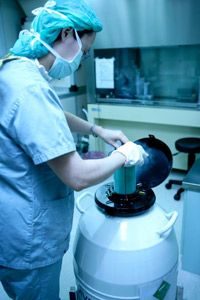
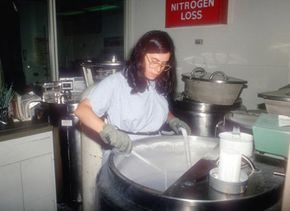
Storage is the final hurdle. Liquid nitrogen keeps samples at -196°C. No activity. No decay. Just waiting. But equipment fails. Power goes out. Human error happens. That’s why redundancy is built into every major bank. Backup generators. Secondary tanks. Continuous monitoring.
Is it perfect? No. Nothing involving biology is. But it’s close. And for millions of people, it’s enough.

The Reality of Thawed Sperm Quality
It isn’t just about dropping a sample into a tank and walking away. There’s actual preparation involved. The lab adds a special solution to the semen first. This step is non-negotiable. It minimizes cellular damage when the temperature plummets. Once prepared, the fluid goes into sealed vials. These vials are placed in liquid nitrogen vapor. The cold is intense. -196 degrees Celsius. That’s -320 degrees Fahrenheit.
But not all samples survive the freeze equally well. Susceptibility to damage varies wildly from donor to donor. Even between different samples from the same man, results differ. So, they test everything after thawing. There are strict quality bars. The post-thaw sample must have at least 25 percent motility. That’s the movement factor. It also needs a minimum of 20 million motile sperm per milliliter. If it doesn’t meet these numbers, it’s not ready for use.
How Long Does Thawed Sperm Last?
Timing matters more than you might think. Frozen sperm doesn’t have the same lifespan inside the uterus as fresh sperm. Fresh sperm? It can hang around for three to five days. Waiting for the right moment. Thawed sperm? It lives up to 24 hours. That’s a tight window.
Does this freezing process increase risks? According to reports, the risk of birth defects from conceptions using donated, frozen sperm is no different than natural conception rates. That 2 to 4 percent baseline remains the same. You aren’t taking on extra genetic baggage just because the sperm was stored in cryogenic temps.
Does Frozen Sperm Expire?
There is no expiration date printed on the vial. At least, not in the traditional sense. As long as the storage environment stays stable and well-maintained, the sperm can sit there indefinitely. Specimens may be stored until the individual decides to withdraw them for assisted reproductive treatments. Or until the donor chooses to end his storage contract.
Is it really that simple? Consider this: In 2005, the American Society for Reproductive Medicine (ASRM) published a report highlighting normal pregnancies and births from semen stored for 28 years. Nearly three decades. The cells just wait. They pause. Ready for whatever comes next.
Navigating the Options
If you are looking into men, sex, and in vitro fertilization, the resources are out there. You can trace back through various informational links to understand the broader context of how these biological processes work. Registries exist for those who want to connect. The Donor Sibling Registry, for instance, helps link individuals who share genetic origins.
Organizations like the American Society for Reproductive Medicine provide guides. They break down third-party reproduction for patients. It’s a complex field. But knowing the mechanics—how the sperm is frozen, how long it lasts, the strict quality controls—helps demystify the process. It turns a biological mystery into a manageable logistical step.
The storage facilities listed in various guides, from the California Cryobank to Xytex, offer varying services. The application processes differ. The criteria for acceptance change. But the core science remains consistent. Prepare. Freeze. Store. Test. Use.
It’s a system built on precision. And patience.