





You know the drill. You start strong. You hit the gym. You throw out the junk food. Three weeks later? You’re eating cereal over the sink at 11 PM and wondering why the scale hasn’t moved. If this cycle feels familiar, take a deep breath. You are not failing. You are just doing what most people do.
The problem isn’t your willpower. It’s your strategy. Most women try to change too much, too fast. They treat weight loss like a short-term sprint—a diet you go “on,” endure, and then go “off” when it gets hard. That is a recipe for regain, not loss.
Real change doesn’t happen in a sprint. It happens in the quiet, unsexy moments of daily habit. It starts with a plan that actually fits your life. Here is how to build a foundation that sticks.
Зміст
Debunking Common Weight-Loss Myths
Let’s clear the air. Your brain is full of misconceptions about how fat loss works, and some of the “hacks” you’ve heard might actually be sabotaging your metabolism.
Take meal skipping. It feels like a clever loophole. Don’t eat lunch? Save calories, right? Wrong. Skipping meals drops your blood sugar, spikes your cortisol, and signals your body to hoard energy. It slows your metabolism down. Your body isn’t being lazy; it’s being smart. It thinks a famine has arrived.
And those fat-free snacks? They are often packed with sugar and artificial additives to make them palatable. Removing fat doesn’t remove the calories. Sometimes, it removes the satiety that keeps you from bingeing later.
Assess Your Body Image First
Before you count a single calorie, you need to look in the mirror and be honest. Not cruel. Honest.
If you have a negative body image, you might believe you need to lose twenty pounds when ten would be healthy. Or worse, you might feel you’re “fat” when you’re objectively thin. This distortion leads to disappointment. You set a goal that feels impossible because you’re fighting a ghost in your head.
A realistic body image is your first tool. It helps you see where you actually are. It motivates you to start because the goal feels reachable, not like a punishment.
Real Talk: Do You Actually Want to Change?
Sticking to a new routine is hard. It requires sacrifice. You have to change how you feel about food. You have to change how you move your body. Most days, it will feel like a chore.
Ask yourself: Are you willing to do the work? Not for two weeks. For the next six months. If the answer is no, no diet will save you.
The Psychology of Snacking
Snacking isn’t a villain. It’s a habit. A deeply ingrained neural pathway. When you’re bored, stressed, or bored and stressed, your hand goes to the chip bag. It’s automatic.
Weight loss isn’t about white-knuckling your way through hunger. It’s about interruption. You need replacement activities. Call a friend. Walk around the block. Wash a dish. Something that breaks the trance. The urge to snack usually passes in ten minutes if you don’t feed it.
Setting Goals That Don’t Fail
Stop setting goals like “Lose 20 pounds in a month.” That is a recipe for failure. It is abstract. It is distant. It offers no daily reward.
Set realistic, immediate goals. “I will walk for 15 minutes today.” “I will drink water instead of soda at lunch.” These are small wins. They build momentum. They prove to your brain that you are capable.
The Power of a Diet Diary
Progress is invisible day-to-day. You eat a salad. The next morning, the scale is the same. You feel defeated.
A diet diary changes that. It tracks more than calories. It tracks context. Why did you eat that cookie? Stress? Boredom? Celebration? Seeing the pattern on paper is eye-opening. It turns vague guilt into concrete data.
Eat Slower. Seriously.
This is the simplest hack in the book. And the hardest to master.
It takes about 20 minutes for your brain to register fullness. If you shovel food in 10 minutes, you are eating past the point of satisfaction before your body even knows it’s had enough.
Slow down. Put your fork down between bites. Chew thoroughly. It feels tedious at first. But soon, you’ll feel fuller with less food. And that feels like a win.
Build Your Support System
You don’t have to do this alone. In fact, you shouldn’t.
Find a friend. Join a group. Tell your partner what you are doing. A support system isn’t just someone to cheer you on. It’s someone who notices when you slip. It’s someone who offers a text instead of a pizza when you’re having a bad day.
Find your people. They are out there.
The Metabolic Trap of Skipping Meals
You’ve heard it before. Skip breakfast, lose weight. It’s a popular shortcut, but it’s also a metabolic trap. When you starve yourself through the morning, your body doesn’t just shut down. It panics. It slows your metabolism to conserve energy. One study showed that people who skip breakfast have a four to five percent lower metabolic rate than those who eat. That gap matters. You end up burning fewer calories at rest. Instead of chasing the fast lane, you’re better off eating several small meals throughout the day. It keeps your engine running steady. It stops the body from hoarding fat.
The Fat-Free Illusion
“Fat-free” sounds safe. It feels like a loophole. But fat is dense, yes. A gram gives you nine calories. Carbs and protein give you four. That’s why cutting fat seems like a smart hack for trimming calories. But manufacturers know this too. When they strip the fat, they often replace it with sugar. The result? A product that is lighter in fat but heavier in calories. You’re not saving energy. You’re just changing the source. You still gain weight if you eat more than you burn. Limiting fat helps. But ignoring the total calorie count? That’s where the weight comes back.
Why Speed Kills Your Progress
We want results yesterday. That’s human. But losing more than a pound or two a week is dangerous for your long-term goal. Fast weight loss often means losing muscle, not just fat. Think of muscle as your body’s engine. Bigger engine, more gas burned. Lose the muscle, shrink the engine. You need fewer calories to keep it running. So, when you go back to eating what you used to eat, you gain the weight back. Fast. Fad diets might give you quick numbers, but they steal your metabolic fire. You want to keep the weight off? Slow down. Build the engine.
Dining Out Without the Guilt
Your favorite restaurant isn’t the enemy. It’s just a place where you have less control over the prep. But you still have power. You choose what goes on your plate. You choose how much. You don’t have to eat like a rabbit to lose weight. You just have to be intentional. Scan the menu. Look for grilled over fried. Ask for sauces on the side. It’s not about restriction. It’s about strategy. You can enjoy the social aspect of dining without derailing your progress.
Substitution Over Elimination
Do you have to give up dessert? No. You don’t have to banish pie à la mode from your life. Most people eat for pleasure, not just fuel. If you love sweets, eat them. Just eat them differently. Smaller portions. Less often. Think about substitution, not elimination. Swap the heavy cream for whipped topping. Choose dark chocolate over milk. You don’t need to suffer to succeed. You just need to adjust.
The Myth of Spot Reduction
You want to lose the flab on your stomach and thighs. So you do sit-ups. You do leg lifts. Great for toning. Terrible for burning fat. Spot reduction doesn’t work. Your body decides where it pulls fat from. You can’t tell it. Sit-ups strengthen the muscle underneath, but they don’t burn the fat on top. To burn fat, you need aerobic exercise. Brisk walking. Jogging. Cycling. A twenty-minute walk burns more fat than a hundred sit-ups. Move your whole body. Let the fat go where it will.
Sweat Is Not Fat Loss
Saunas feel good. They make you sweat. But you aren’t losing weight. You’re losing water. As soon as you drink, it comes back. Sweating without exertion is dehydration, not dieting. Sauna suits? Rubber belts? They’re dangerous. They can lead to heatstroke. They damage your health. Your body has a thermostat. Let it work. Replace fluids when you exercise. Don’t try to bake your fat off. It’s a myth that costs you more than it gives you.
Redefining Success
The scale is a liar. Or at least, it’s incomplete. Success isn’t just hitting a target number. It’s an ongoing process. It’s the habit of moving more. It’s keeping records. It’s noticing how your clothes fit. It’s the energy you have in the afternoon. Don’t be a slave to the bathroom scale. Daily fluctuations mean nothing. Habits mean everything. Focus on the positive changes. The number will follow. Or it won’t. Either way, you’re healthier.
Movement Counts
You don’t need to run marathons to lose weight. You don’t need hours in the gym. Experts agree: replacing sedentary habits is the key. Sit less. Move more. Running a track counts. Vacuuming the house counts. Walking to the mailbox counts. All physical activity adds up. It’s not about intensity. It’s about consistency. Stop sitting. Start moving. That’s the real secret.
“Success means more than a number on the scale. It is an ongoing process that is rewarded each time you make a positive lifestyle change.”
The myths are everywhere. They’re loud. They promise quick fixes. But the truth is quieter. It’s in the small meals. The whole foods. The steady walks. It’s in the refusal to punish yourself for wanting a treat. It’s in the understanding that your body is an engine, not a trash can. Keep it fueled. Keep it moving. The rest will figure itself out.
It’s Not About Willpower, It’s About Skillpower
Forget the myth that you need ironclad willpower to lose weight and keep it off. Lasting change doesn’t come from gritting your teeth. It comes from skillpower. You’re dealing with habits, not just hunger. Identifying your patterns, using proven remedies, and shifting your mindset gives you the actual tools to win.
The government’s Dietary Guidelines for Americans (2005) offers a practical roadmap for weight control, focusing on the total time spent in active pursuits rather than perfection. To lower the risk of chronic disease, thirty minutes a day helps. But to truly manage your weight, you’ll likely need to work up to at least 60 minutes of physical activity on most days. This only works if your calorie intake stays within your needs.
Breaking Up the 60-Minute Goal
You don’t have to carve out a solid hour in the gym to hit that target. The guidelines make it clear: duration matters more than intensity of the session. Spreading out a few 10- to 15-minute bouts of activity throughout the day is just as effective. Try squeezing in movement before work, during your lunch hour, or after dinner. It adds up.
When it comes to intensity, vigorous exercise like jogging burns the most calories. You’ll definitely lose pounds with fast-paced aerobic activity that gets your heart pumping. But you don’t need to run marathons to see results. Moderate-intensity activity, such as brisk walking, combined with sensible eating, does the job just fine.
The Hidden Calories of Housework
Even chores count if they get you sweating. Raking the lawn. Scrubbing the bathtub. Washing the windows. These aren’t just tedious tasks; they are valid forms of movement. If you’re working up a sweat, you’re burning energy.
Assessing Your Body Image
Misconceptions about weight loss often go hand-in-hand with misconceptions about your own body image. Understanding how you view yourself is just as important as understanding how you burn calories. The next step is learning how to assess your body image honestly, without judgment.
This information is solely for informational purposes. IT IS NOT INTENDED TO PROVIDE MEDICAL ADVICE. Neither the Editors of Consumer Guide (R), Publications International, Ltd., the author nor publisher take responsibility for any possible consequences from any treatment, procedure, exercise, dietary modification, action or application of medication which results from reading or following the information contained in this information. The publication of this information does not constitute the practice of medicine, and this information does not replace the advice of your physician or other health care provider. Before undertaking any course of treatment, the reader must seek the advice of their physician or other health care provider.
Why Your Mental Snapshot Matters More Than the Scale
Close your eyes. Don’t think about the number on the bathroom scale. Think about the shape of your body right now. Head to toe. The curve of your hips. The way your shirt hangs. That mental picture is your body image. It is not just a passive reflection. It is an active, powerful force that dictates how hard you will fight for your health.
If that internal image is off, your weight-loss efforts will too.
To fix it, you need to audit your mental map. Grab a notebook. Answer these questions honestly. No one else has to see this.
- If your closest friend looked at you right now, would their description match your mental picture?
- What is the specific body shape you actually want?
- What would your weight be if you achieved that look?
- Have you ever carried that weight before?
Most of us are lying to ourselves. But the lie comes in two very different flavors.
You might see yourself as much larger than you are. This is common. If you do, you risk staying stuck. You might lose ten pounds and still feel “heavy.” You miss the progress because your brain refuses to credit the change. It’s a disconnect. You’re doing the work, but your mind isn’t letting you win.
On the flip side, you might still be holding onto a high-school yearbook photo as your current reality. This is dangerous. It creates blindness. If a realistic assessment would show you are several silhouettes larger than you think, you won’t feel the urgency to act. You procrastinate. You wait until the mirror becomes impossible to ignore.
Neither extreme helps. You need a realistic baseline. You need to visualize the ideal you clearly, but you must start from where you are, not where you were or where you fear you are.
Reconnecting with Your Physical Reality
How do you bridge the gap between mind and body? You stop avoiding your reflection.
Look in the mirror. Not a quick glance in the hall. Spend time in front of a full-length or three-way mirror. Ideally, do it without clothes on. It feels vulnerable. It should. Be aware of your body exactly as it looks today. When you see it clearly, you can stop fighting a phantom. Congratulate yourself on small shifts. A softer jawline. A straighter posture. Notice it.
Rethink your wardrobe. This is practical, not just aesthetic. Large, baggy clothes are a buffer. They hide the changes you are making. If you keep wearing them, you stay disconnected from your progress. Switch to clothes that fit more closely. Let your eyes see the new shape of your arms or waist. It builds a concrete link between effort and result.
And here is the hard part: stop saving your “fat clothes.” We all do it. We keep a pair of jeans from five years ago as a “goal” item. It’s actually a commitment to failure. It keeps the old version of you alive. Keep one item of larger clothing, yes. Use it as a trophy to mark how far you’ve come. But don’t let it define your future.
Document the journey. Every four to eight weeks, take photographs. Same lighting. Same pose. Create a photo journal. Numbers on a scale can lie. They fluctuate with water, salt, stress. Photos do not. They show the truth of your silhouette. They prove that the work is happening, even when you don’t feel it.
The Real Cost of Staying the Same
We talk endlessly about the difficulty of losing weight. The hunger. The time. The social pressure. But we rarely calculate the cost of not losing it.
Consider the long-term toll. We know the medical bills for diabetes, heart disease, and cancer are astronomical. But look closer. What is the price of low self-confidence? The friction in your marriage because you feel insecure? The missed promotions because you don’t project the energy you want?
Even small reductions in body weight yield massive returns in quality of life. It’s not just about looking good in a dress or a suit. It’s about feeling competent. It’s about walking into a room and believing you belong.
Try this commitment. For the next four weeks, focus on the specific lifestyle habits that matter most to you. Improve your sleep. Cut the late-night snacking. Move your body daily. Then, revisit that mental snapshot. See how your answers change. See how your confidence shifts.
Remember, a healthy lifestyle isn’t just about the number on the scale. It’s about the life you build around it.
We’ve covered how to assess your image. We’ve looked at the costs of staying put. Now comes the final hurdle. Are you actually ready to change? Or are you just hoping things will get better on their own?
The next step is a simple test to rate your readiness to overhaul your lifestyle. It’s not about willpower. It’s about alignment. Are you prepared to do the work when it gets hard?
Your Mindset Before the Scale
Change is a messy business. It’s equal parts exhilarating and terrifying. Before you commit to a new routine or a stricter meal plan, you need to look in the mirror. Not at your waistline, but at your head.
Attitudes are just consciously held beliefs. They act as either an engine or a brake. If your beliefs are working against you, no amount of kale will save you. You need to know if your mindset pushes you toward your goals or pulls you away from them.
Here is a quick reality check. Read these statements and be brutally honest about whether they ring true for you:
- Reaching my goal weight will guarantee everlasting happiness.
- I should keep my larger clothes just in case.
- I resent seeing people who exercise regularly.
- I get angry when the scale doesn’t move immediately despite my efforts.
- Dieting feels like deprivation; I’m just waiting to eat my favorite foods again.
- Once I look good, I won’t have to exercise anymore.
- It’s unfair that others eat more than me without gaining weight.
- Staying at my goal weight means missing out on fun.
- I’m waiting for a pill that lets me eat whatever I want.
- Exercise feels like torture or punishment.
- If I don’t lose five pounds a week, I quit.
- I can’t have a social life and lose weight at the same time.
- Keeping a food diary is childish.
- Food is my best friend.
- I panic if my usual snacks aren’t available.
- My family history makes weight loss impossible for me.
- If I miss a day or two of exercise, I feel I’ve blown it, so I stop.
- I can’t handle stress without turning to food.
If you checked “true” for more than four of these, your attitude might be sabotaging you. It’s not just about willpower; it’s about cognitive patterns. You need to identify and shift these beliefs if you want to keep the weight off permanently.
If you ticked ten or more boxes, you’re likely to struggle with weight maintenance even after you lose the pounds. This isn’t a failure of character. It’s a failure of preparation. In this case, professional support or a dedicated support group isn’t just helpful—it’s necessary.
Once you’ve cleared the mental clutter, you’re ready to pick a program. The market is flooded with options. But regardless of which path you choose, a positive, realistic attitude is the non-negotiable foundation.
This content is for informational purposes only and does not constitute medical advice. Neither the Editors of Consumer Guide, Publications International, Ltd., nor the author or publisher assume responsibility for any consequences resulting from the use of this information. This does not replace the advice of a physician or other qualified health care provider. Always seek the advice of your physician or other health care provider with any questions you may have regarding a medical condition or treatment.
The battle for weight loss isn’t just fought in the kitchen or at the gym. It’s happening in your head.
We underestimate the power of self-talk for weight loss because it feels invisible. But this internal dialogue is the script you follow every day. If you tell yourself you’re failing, you’ll likely stop trying. If you tell yourself you’re capable, you might actually take the next step.
Your mind believes what you repeat. Negative thoughts become self-fulfilling prophecies. “I can’t do this” turns into a week of skipped workouts and takeout. “I deserve this treat” turns into a cycle of guilt.
The Cost of Negative Self-Talk
Most of us have a critical inner voice. It’s loud. It’s harsh. And it’s usually wrong.
Consider the difference between these two mindsets:
- The Trap: “I haven’t lost a pound in a week. I’m a hopeless failure.”
- The Shift: “I didn’t see scale movement, but I planned my meals and moved my body. Consistency matters more than daily numbers.”
Genetics often get used as an excuse. “My parents are overweight, so I’m doomed.” That’s a lie. Your genes load the gun; your habits pull the trigger. You have agency.
Then there’s the victim mentality. “It’s not fair that I’m eating broccoli while everyone else eats pizza.” This mindset isolates you. Choose to see healthy eating as a privilege, not a punishment. You are fueling a body that deserves nourishment.
Rewriting the Script
Positive thinking isn’t about ignoring reality. It’s about framing it strategically.
1. Swap “Willpower” for “Skillpower”
Willpower is a finite resource. It breaks under stress. Skillpower is built. It comes from planning. From identifying triggers. From knowing that if you feel an urge to snack, you can choose a different activity instead. You don’t need to white-knuckle your way through life. You need a system.
2. Reframe Exercise
“I have to go to the gym” sounds like a chore. It sounds like punishment. Try this: “Once I move, I feel energized. I feel in control.” Exercise is a gift to your future self, not a tax on your present.
3. Redefine Fun
Diet culture tells you that healthy living is boring. That’s false. Your fun doesn’t have to revolve around food. It can revolve around friends, hobbies, movement, rest. Food is fuel. It’s not the main character of your social life.
How to Track Your Mental Inventory
Positive self-talk is a muscle. You have to exercise it.
Start by writing down your automatic thoughts. When you catch yourself thinking, “I messed up,” pause. Write it down. Look at it objectively. Is it true? Is it helpful?
Then, replace it.
Keep a daily success journal. This isn’t about logging calories. It’s about logging wins.
* “I chose water over soda.”
* “I took a 10-minute walk.”
* “I listened to my hunger cues.”
Focus on the positive. Celebrate the small wins. Praise yourself. It feels awkward at first. It feels unearned. But it’s necessary. You are building belief in your own ability to change.
The Belief Factor
Weight control is harder when you doubt yourself. It’s natural to feel skeptical. We’ve all been told we can’t do something before.
But doubt is just a thought. And thoughts can be changed.
By replacing doubt with evidence-based positivity, you build a foundation of self-belief. That belief makes the hard days easier. It makes the setbacks temporary. It turns weight loss from a punishment into a practice.
You can’t stop the urge to snack entirely. You can’t silence every negative thought instantly. But you can learn to respond differently. You can choose to fight the urge with action, not inhibition. You can choose to speak to yourself like someone you love.
This is how you stay positive. Not by ignoring the struggle, but by changing how you talk about it.
Next, we’ll look at practical strategies for handling those sudden cravings without giving in.
Breaking the Habit of Mindless Eating
It starts small. A piece of chocolate. A sliver of cake. A few squares of cheese. Before you realize what’s happening, the pantry is empty and your stomach is full. It’s not just about guilt. It’s about the math. If you add just 100 extra calories to your day—roughly an ounce of cheese or a small handful of chips—you could gain ten pounds in a single year. That’s the silent weight of the “urge.”
But here is the truth: urges are not commands. They are impulses. And impulses can be managed.
The first step in fighting the urge to snack is to pause. Actually stop. Ask yourself a simple question: Am I hungry? Not “do I want something tasty?” but “is my body signaling a need for fuel?” If the answer is no, you aren’t hungry. You’re bored. You’re stressed. You’re tired. Or, most commonly, you are eating out of habit.
Habitual cravings usually pass if you can wait them out. Think of an urge like a bucking bronco. If you fight it head-on, you’ll likely get thrown. If you ride it—acknowledge it, don’t feed it, and wait for it to settle—you regain control.
The Ten-Minute Rule
To ride out an urge, you need to buy time. Specifically, ten minutes. Use that window to distract yourself with an activity that is physically incompatible with eating. The goal is to engage your mind and body in something that brings pleasure or a sense of accomplishment.
Here is where you get creative. Build your own list of “urge-busting” activities. Some ideas to get you started:
- Call a friend. Important: do not make the call in the kitchen.
- Chew sugar-free gum. The minty flavor can signal the end of eating.
- Brush your teeth. The clean mouth often reduces the desire for more food.
- Take a quick shower.
- Paint your nails.
- Water the plants.
- Ride an exercise bike for a few minutes.
- Organize a cluttered closet.
- Meditate or pray. Just think pleasant thoughts, not about food.
- Balance your checkbook or file papers.
- Do a crossword or jigsaw puzzle.
- Hug your partner. Not your plate.
Avoid watching television during these ten minutes. Studies show obesity rates are nearly double in people who watch three to four hours of TV daily compared to those who watch less than one. Why? It’s a double hit: less movement, plus mindless snacking. Four hours a day is 1,460 hours a year. That is a lot of time you could spend moving, creating, or just living.
Change Your Environment
If the urge persists, change your geography. Environment is a powerful trigger. If you are alone in the kitchen, leave. Go to a friend’s house (just don’t ask for snacks). If you’re working late, take a “seventh-inning stretch” in the hallway. If you’re staring at the fridge, go to the bedroom or living room with a book.
Once you leave the space where food is stored and visible, the intensity of the craving often weakens. Distance creates perspective.
The Low-Calorie Safety Net
Sometimes, you just can’t resist. In those moments, don’t go cold turkey. Satisfy the urge with something low-calorie. Keep an emergency stash on hand. Think fresh vegetables, fruit, diet soda, or air-popped popcorn. This isn’t about depriving yourself; it’s about satisfying the physical action of eating without the caloric cost.
Are You Just Tired?
Another critical check-in: fatigue. Many of us confuse exhaustion with hunger. When we are run-down or sick, our body craves energy. It screams for sugar. But often, what it really wants is rest.
If you recognize that your urge is tied to being tired, take a time-out. Give your body a break. Rest. Sleep. Don’t feel guilty for taking that extra time. Productively riding out these urges—by resting, moving, or distracting—creates free time that was once consumed by mindless eating.
As you work on losing weight, or even before you start, setting realistic goals is essential for staying motivated. We’ll dive into how to do that next.
This content is for informational purposes only and is not intended as medical advice. It does not replace the guidance of a physician or other healthcare provider. Always consult a professional before starting any new treatment, diet, or exercise program.
Why Your Weight-Loss Goals Are Failing Before You Start
You know the drill. Monday morning. New month. You swear this time will be different. You’ll hit the gym daily. You’ll banish sugar forever. You’ll shed ten pounds in fourteen days.
It sounds heroic in your head. In reality, it’s a trap.
When you set the bar at “perfect,” you’re setting yourself up for a crash. This is how how to set realistic weight-loss goals actually begins: by admitting that perfection is a myth. If your foundation is brittle, the whole structure falls when life happens. And it will happen.
Most people stumble into two specific mental traps. If you can name them, you can dodge them.
The Trap of Insistent Imperative Syndrome
This is what happens when your language turns rigid. You use words like always, never, must, and every.
“I will never eat chocolate.”
“I must lose a pound a day.”
Here’s the hard truth: nobody is perfect. You are human. When you demand perfection, you create a binary system where anything less than 100% is a 0% failure.
So, you slip. You eat the cookie. Or you miss the workout. Because you framed the goal as “never” or “always,” that one slip feels like a total collapse. The disappointment hits hard. And what’s the human response to guilt and frustration? You eat more.
It’s a self-fulfilling prophecy.
Break the spell. Strike the imperatives from your vocabulary. Allow for error. If your goals leave room for life to happen, you stay on track when things go wrong. You get rewarded for consistency, not punished for humanity.
The Mount Everest Syndrome
Then there’s the other extreme. The mountain.
“I’m going to lose 50 pounds.”
“I will walk ten miles a day.”
These goals are overwhelming. They are massive, distant peaks that make the first step feel pointless. The sheer size of the task paralyzes you. Worse, it frames success as a distant endpoint. You don’t feel good until you hit the top. Until then, you’re just suffering.
That’s not motivation. That’s torture.
Your goals need to be challenging, yes. But they shouldn’t be impossible. Break the mountain down into rocks. You aren’t climbing Everest today. You’re just putting on your shoes. Focus on small tasks you can complete in a day or a week. Small wins build momentum. Big goals just build anxiety.
How to Set Realistic Weight-Loss Goals That Stick
Goals matter because they focus your energy. But they only work if they are built correctly. To set yourself up for success, your plan needs five specific traits:
- Short-term and specific. Don’t say “I’ll exercise.” Say, “I will walk for 25 minutes after dinner, Monday through Friday.” Clarity kills procrastination.
- Trackable. Use a diary or an app. See your progress. Visual proof keeps you honest.
- Positive. Use “I will” instead of “I won’t.” “I will eat vegetables” feels empowering. “I won’t eat junk” feels like deprivation.
- Personal. Do this for you. Not for your ex. Not for your mother-in-law. Center your own health.
- Rewarding. Celebrate the small victories. They are the bricks you build your long-term health on.
Unrealistic vs. Realistic: A Side-by-Side Look
Confused? Look at the difference. One path leads to burnout. The other leads to results.
Unrealistic: “I’ll never eat more than 1,000 calories a day.”
Realistic: “My average daily intake will be 1,500 calories this week.”
Unrealistic: “Starting tomorrow, I’ll walk two hours every day.”
Realistic: “I’ll walk for 20 minutes four times this week.”
Unrealistic: “I’m baking cookies for the bake sale, and I won’t taste a single one.”
Realistic: “I’ll buy cookies for the bake sale and drop them off on my way home.”
Unrealistic: “I’ll lose ten pounds before my class reunion next month.”
Realistic: “I’ll eat small portions and take a 15-minute walk four times a week so I feel healthier and more confident at the reunion.”
Notice the shift? The realistic goals focus on actions you can control. The unrealistic ones focus on outcomes that depend on luck, metabolism, and sheer willpower.
Write yours down. Read them back. If you hear “must” or “never,” rewrite it. If the goal feels like a punishment, change it.
This information is for educational purposes only and is not medical advice. It does not replace the guidance of a physician. Always consult your healthcare provider before starting any new diet, exercise, or treatment plan.
Keeping the pounds off is where most people stumble. Losing them? That’s the sprint. Keeping them down is the marathon that breaks most runners. If you are tired of the yo-yo cycle, there is a simple tool that actually works. Researchers at the Duke University Diet & Fitness Center found that successful “losers” share one common habit: they write things down.
It isn’t about perfection. It’s about awareness.
The power of daily food tracking
A diet diary does three specific things for your brain. It creates focus. It forces planning. It allows for reflection.
Focus comes from reminding yourself why you started. When you write down your goals every day, they stop being abstract wishes. They become real constraints.
Planning is where the magic happens. Most dieters fail because they try to wing it. They eat when hungry, move when convenient. That is a recipe for chaos. You need a plan for meals and movement at least 24 hours in advance. A week ahead is even better. Make it realistic. If you know you have a late meeting on Tuesday, don’t plan a three-hour workout. Plan for what actually fits your life.
If you slip up—and you will—write it down. Note the time. The location. Who you were with. This isn’t about guilt. It’s about data. Later, you can look back and see the pattern. Maybe you always overeat when you’re stressed after work. Maybe weekends with certain friends lead to extra drinks. Identify those high-risk situations before they happen again.
Reflection is the final piece. Your diary is a mirror. It shows you patterns in behavior that move you toward or away from your goals. Watch for progress in areas other than the scale. How is your energy? Your mood? Your sleep?
Keep a daily diary. It is the single most effective tool for maintaining weight loss.
Eating slower to eat less
Tracking helps you see the big picture. But what about the actual moment of eating? How you eat matters as much as what you eat.
One of the most effective ways to control portion size without feeling deprived is to eat slower. Your brain needs time to realize your stomach is full. It takes about 20 minutes for the signal to travel. If you shovel food in during ten minutes, you’ve already overeaten before your body knows it’s satisfied.
Put your fork down between bites. Chew thoroughly. Talk to your dining companions. Make the meal a pause in your day, not just fuel to get through it. This simple shift can reduce overall calorie intake significantly.
This information is solely for informational purposes. IT IS NOT INTENDED TO PROVIDE MEDICAL ADVICE. Neither the Editors of Consumer Guide (R), Publications International, Ltd., the author nor publisher take responsibility for any possible consequences from any treatment, procedure, exercise, dietary modification, action or application of medication which results from reading or following the information contained in this information. The publication of this information does not constitute the practice of medicine, and this information does not replace the advice of your physician or other health care provider. Before undertaking any course of treatment, the reader must seek the advice of their physician or other health care provider.
The Twenty-Minute Lag: Why Speed Eating Sabotages Your Satiety
Your body has a built-in alarm system. It sends signals from your gut to your brain the moment you are full. The problem? The commute takes time. Specifically, about twenty minutes.
If you inhale your dinner, you are essentially driving through a red light. You pack in extra bites while your brain is still processing the previous ones. By the time the “I’m done” signal finally arrives, you’ve already overshot your calorie limit. Slowing down isn’t just about etiquette. It gives those natural satiety signals a chance to register. You stop before you’ve polished off food your body doesn’t need. Plus, you actually taste the meal. Satisfaction comes from the textures, the smells, the flavors. Rushing blunts all of that.
If you find yourself breaking speed records at the table, try these concrete techniques to force a slower pace.
Physical Barriers to Fast Eating
The most immediate fix is mechanical. Put your fork or spoon down after every bite.
For many of us, eating is a continuous loop. The utensil flies from plate to mouth and back again. Break the loop. Take a spoonful. Set it down beside the plate. Chew. Swallow. Pick it up again.
At first, this feels tedious. Awkward, even. You will feel an urge to keep moving. Ignore it. You will be surprised at how much sooner your stomach signals fullness.
This applies to handheld foods too. If you are eating pizza, a sandwich, or a bagel, take one bite. Put the rest of the food down. Chew. Swallow. Repeat. Do not load up your mouth while your teeth are still working on the previous bite. Wait until your mouth is empty before preparing the next one.
Setting the Scene for Slower Digestion
Environment dictates behavior. If you are stressed, you eat faster. If the kids are fighting or work is piling up, do not start eating yet. Do some deep breathing. Read a few pages of the newspaper. Calm down first. Then eat at a leisurely pace.
Consider the layout of your meal. Eat in courses rather than family style. When all the food is on the table at once, it is easier to graze mindlessly. Plating each course forces a pause between dishes.
Time yourself until the habit sticks. Use a watch or kitchen timer. Take a brief break for a minute once or twice during the meal. Talk. Sip a beverage. Fold your hands in your lap. These micro-pauses reset the clock.
The Distraction Factor and Dietary Tools
When it is time to eat, do nothing but eat. Devote your full attention to the meal. Turn off the television. Take the phone off the hook. If you are distracted by other activities, you may not notice how fast or how much you are eating. Distraction is the enemy of satiety.
Music can also influence your pace. Studies show people eat more slowly when they listen to slow, soft music. Let the rhythm of the room set the rhythm of your chewing.
Try using chopsticks for all cuisines, not just Asian dishes. They automatically slow down your rate of eating. The mechanics of picking up individual pieces force a slower tempo. If you are already a pro with chopsticks, use them in your opposite hand! It adds a layer of difficulty that kills speed. As an added bonus, chopsticks allow fatty sauces to fall through the cracks and stay on the plate where they belong, rather than smearing across your face or bowl.
Mindful Positioning
Sit down when you eat. Standing up encourages quick consumption. A lot of people simply do not count what they eat when they are standing at the counter or walking out the door. Sitting helps you relax and focus on the act of nourishment.
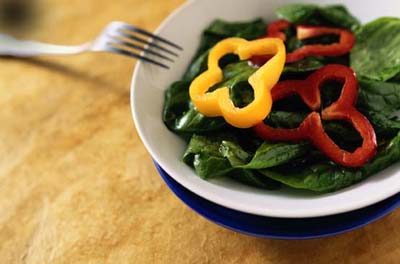
Dine, don’t just inhale. Savor the details. Enjoy the texture of a fresh bed of leafy greens beneath the tuna salad. Contrast that with wolfing tuna right out of the can. Why not make mealtime a pleasurable event? Creativity matters. Develop your own tricks for slowing down. What works for one person may not work for another. Experiment until you find a rhythm that feels natural but sufficiently slow.
A good support group can help you succeed in just about any endeavor, and weight loss is no exception. Learn how to gather a good team around you in the next section.
This information is solely for informational purposes. IT IS NOT INTENDED TO PROVIDE MEDICAL ADVICE. Neither the Editors of Consumer Guide (R), Publications International, Ltd., the author nor publisher take responsibility for any possible consequences from any treatment, procedure, exercise, dietary modification, action or application of medication which results from reading or following the information contained in this information. The publication of this information does not constitute the practice of medicine, and this information does not replace the advice of your physician or other health care provider. Before undertaking any course of treatment, the reader must seek the advice of their physician or other health care provider.
Willpower is a finite resource. You can only grit your teeth so many times before you cave. That is why trying to lose weight in a vacuum is a losing battle. You need a team. But not just any team. You need the right kind of support.
Most people assume their friends and family are automatically on their side. They aren’t. Often, they are the primary obstacle.
If you want to actually keep the weight off, you have to treat your social circle like a strategic asset. It requires evaluation. It requires conversation. It requires you to stop expecting mind-reading abilities from the people who love you most.
Audit Your Inner Circle
Start by looking at the people you spend time with. Not the ones you wish you spent time with. The ones you actually do.
Categorize them into two groups: allies and saboteurs.
Allies are the ones who notice when you’ve been consistent. They respect your boundaries. They might not be weight-loss experts, but they don’t derail you. Saboteurs are the ones who make your journey harder. They might not be doing it on purpose. That’s the worst part. They push food because that’s how they show love. They make jokes about your diet. They invite you to happy hour when you’re trying to cut alcohol.
You don’t need to cut these people out of your life. That’s extreme and rarely sustainable. You just need to change how you interact with them.
Spend more time with the allies. If you’re cutting calories, don’t meet Jane the Food Pusher for lunch. Meet the coworker who wants to walk during breaks instead. Create an environment where healthy choices are the default, not the exception.
The Art of the Specific Ask
Other people cannot read your mind. This is a hard truth to accept, but it’s the foundation of getting help.
Telling someone “Please support me” is useless. It’s too vague. It leaves the burden of figuring out what that means on them. And when they get it wrong, you feel resentful. They feel frustrated. Nobody wins.
You have to be specific. You have to tell them exactly how to help.
For daily encouragement:
Ask them to praise the behavior, not the number on the scale. Weight loss is slow. Some weeks you’ll stall. If your support system only celebrates the pounds dropped, they’ll stop celebrating when the scale stops moving. Ask them to notice when you eat slowly. When you choose a salad over fries. When you resist a second helping. That is the behavior that leads to results.
Ask them to avoid criticizing you if you slip up. One bad meal is not a failure. It’s data.
Ask them to be problem-solving partners. When you’re struggling, ask for a call, not just a pat on the back. Let them help you brainstorm solutions.
To reduce food exposure:
This is the practical stuff.
* Ask them to stop giving you food as gifts. A cake isn’t a gift right now. It’s a trap.
* Ask them not to eat your “trigger” foods in front of you. If chocolate is your weakness, don’t eat chocolate in the car with you.
* Ask them to help clear the table. Out of sight, out of mind. If the snacks are in a cupboard, not on the counter, you’re less likely to eat them.
To lower the importance of food:
Food shouldn’t be the center of every interaction.
* Ask them to minimize “food talk.” Yes, people talk about food all the time. It’s boring and it’s distracting.
* Ask them to show affection with hugs, not desserts.
* Ask them to invite you to movies. To plays. To sporting events. Activities that don’t revolve around eating help you realize you can have fun without a plate in your hand.
The Feedback Loop
When someone does something right, don’t just say “thanks.” Be specific.
“Thanks for not buying the ice cream. It really helps when it’s not in the house.”
See the difference? One is generic. The other reinforces the specific action you want to see repeated.
And remember, this is a two-way street. You are asking for help. You need to ask what you can do for them in return. Support is not a solo performance. It’s a partnership.
Losing weight is hard. It takes willpower. It takes energy. Don’t waste that energy fighting against your own social circle. Equip them. Guide them. Let them help you succeed.
Joan Horbiak, a registered dietitian with a master’s in public health, has spent her career designing weight reduction programs. She knows that lifestyle change isn’t just about what’s on your plate. It’s about who’s sitting at the table.
The Duke University Diet and Fitness Center, founded in 1969, combines medical, psychological, and nutritional expertise to help clients form healthier habits. They know that willpower fades. Systems last.
This information is for educational purposes only. It is not medical advice. Always consult with a physician before starting any new diet, exercise, or treatment plan.