




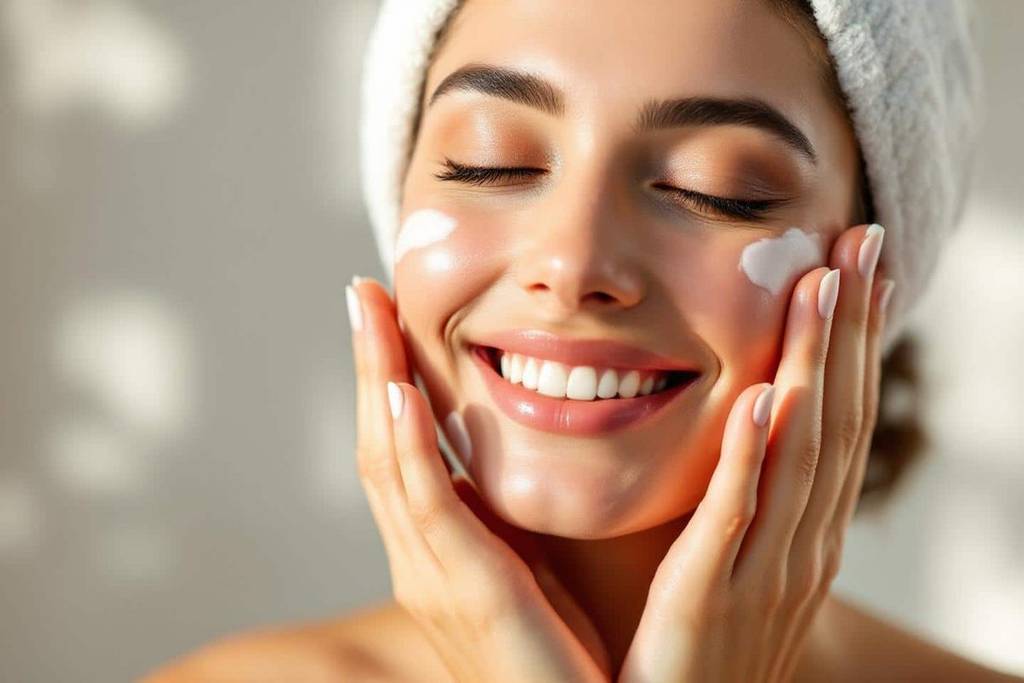
Winter is brutal on your face. Central heating sucks the moisture right out of the air, and that gray, flat light makes even the healthiest complexion look tired. You might be tempted to reach for the heaviest cream in your drawer, or maybe you’re scrolling Instagram, seeing Korean beauty influencers with skin that looks like it’s glowing from the inside out.
Enter the 7-Skin method.
It sounds like a gimmick. Seven layers of toner? Really? But this technique, born in Korean skincare routines, is gaining serious traction in Western bathrooms. It promises radiant, “glass skin” in just one week. Is it just another beauty trend destined to fade, or is it a genuine solution for dehydrated winter skin? Let’s break down what it actually is, how to do it, and whether your skin barrier can handle it.
Зміст
The Korean Obsession With Glowing Skin
Walk through Seoul in November, and you’ll notice something distinct. It’s not just the fashion; it’s the skin. While Western trends often chase a matte, pore-less finish, K-beauty has spent the last decade pursuing the “glass skin” ideal. This isn’t about looking oily. It’s about skin that looks so well-hydrated and translucent that it resembles the morning dew on a leaf.
This aesthetic choice is rooted in deeper cultural values. In Korea, a clear, luminous complexion has historically signaled purity, health, and self-care. It’s not seen as vanity. It’s viewed as a daily discipline, a form of mindfulness passed down through generations. Taking care of your skin is an act of respect for oneself and a reflection of inner balance.
When we adopt this mindset, we stop treating skincare as a chore and start treating it as a ritual. That shift in perspective matters when you’re trying to fix a damaged skin barrier.
Why Your Skin Craves Hydration in Winter
Let’s look at why your face feels tight and looks dull right now. It’s not just the cold. You’re dealing with a perfect storm of aggressors:
- Indoor heating: This drops the humidity in your home, pulling moisture from your skin.
- Pollution and stress: Urban environments and the rush of commuting weaken your skin’s natural defenses.
- Hard water and dust: These physical irritants sit on the surface, clogging pores and causing inflammation.
Your skin has a natural protective barrier called the hydrolipidic film. When this gets compromised by the factors above, your skin loses water faster than it can replace it. The result? Redness, flaking, and that dreaded “winter dullness” that no amount of foundation can hide.
Many people try to fix this with heavy creams or facial mists. There’s a trap here. Mists often evaporate quickly. If you don’t seal them in with an emollient, they can actually pull more moisture out of your skin, making dehydration worse. Heavy creams, while protective, sometimes sit on top of the skin without penetrating deep enough. You need multi-level hydration to truly repair the barrier.
The 7-Skin Method: How It Works
The solution lies in layering. The 7-Skin method involves applying a watery toner up to seven times in a row. It’s not about slathering on product; it’s about forcing hydration into every layer of the epidermis.
Think of it like drinking a glass of water vs. taking sips throughout the day. Your body absorbs it better in smaller amounts. Your skin works the same way.
This isn’t your alcohol-based astringent toner. In the Korean system, the product used here is often enriched with natural hyaluronic acid, botanical extracts, and fermented ingredients. The texture should be lightweight, almost gel-like, so it absorbs quickly without leaving a sticky residue. You’re not using cotton pads. You’re using your hands.
Step-by-Step: How to Layer Your Toner
The process requires patience. It’s a meditation in itself. Here is how to execute it:
- Cleanse thoroughly: Start with a fresh, clean face.
- Pour: Dispense a small amount of watery toner into your palm.
- Press: Gently press the toner into your skin. Do not rub. Let your palms do the work.
- Wait: Wait a few seconds for the first layer to absorb. Your skin should feel tacky, not wet.
- Repeat: Apply the next layer. Continue this process up to seven times.
You don’t have to hit seven layers immediately. If your skin feels saturated after three, stop. The goal is hydration, not suffocation. Adjust based on your skin’s sensitivity and the season. In harsh winter conditions, you might need more layers than in humid summers.
What to Expect in 7 Days
The promise is clear: visible improvement in one week. And for many, it delivers.
In the first few days, you’ll likely notice a brighter, more uniform complexion. The dull gray cast of winter fades. Redness calms down. Your pores may appear smaller because they are plump with water, not clogged with debris. The “glass skin” look is real, but it’s important to understand that part of it is surface-level hydration.
The immediate glow is reassuring. It makes you want to skip the concealer and face the morning mist with confidence. But don’t expect miracles overnight. The true transformation—the strengthening of your skin barrier—takes weeks of consistency.
Is the Plump Effect Permanent?
Will your skin stay plump forever? No. Skincare is maintenance, not a cure.
If you practice the 7-Skin method as a nightly routine, the benefits compound. Your skin’s ability to hold water improves day by day. However, if you stop, the glow will fade. You must seal in that hydration. A lightweight moisturizer or facial oil is essential to lock in the toner layers. Without this seal, the water evaporates, and you’re back to square one.
Also, keep in mind that Korean winters, while cold, can be less dry than some European climates due to seasonal humidity differences. You may need to tweak the number of layers or the product weight to suit your local weather.
The 7-Skin method isn’t just about looking good. It’s about listening to what your skin is asking for. In the dry, harsh months, it’s asking for water. Not oil. Not powder. Water. Give it that, layer by layer, and watch what happens.
But here’s the thing. Once you start layering, do you stop? Or does the ritual become something else entirely? That’s for you to decide when the seven days are up.
Why your 7-skin routine is backfiring (and how to fix it)
The hype around the seven-skin method isn’t without its pitfalls. Many newcomers fall into the trap of using harsh, alcohol-heavy toners. The result? Skin that pulls, stings, or even inflates by the third layer. It’s a classic case of over-exuberance outpacing skincare knowledge.
The fix is simple: strip the routine back. Choose minimalist formulas free of drying agents. Pay attention to what your skin is screaming at you. Redness? Itching? Flaking? Stop. Drop down to five layers instead of seven. Or skip a day entirely. Your barrier will thank you.
Choosing the right lotion for your skin type
There is no one-size-fits-all solution here. If you have dry skin, lean toward lotions rich in hyaluronic acid or vegetable glycerin. Apply these in the evening to boost overnight repair. For oily or combination skin, opt for lightweight, gel-based textures. Look for ingredients like green tea or aloe vera to avoid clogging pores in the T-zone.
This method is an experiment. It’s not a dogma. You are looking for the perfect alliance between your epidermis type and your specific needs.
How to integrate 7-skin into your evening ritual
Confused by the sheer number of toners available? You don’t need a cabinet full of products. Just a few key ingredients can transform your November night routine into a sensory experience. Here is a practical lineup to consider:
- 100 ml of hydrating toner with ferments (galactomyces or bifida)
- 50 ml of pure aloe vera extract toner
- 30 ml of chamomile or rose floral water
- 10 ml of pure hyaluronic acid booster (optional, for very dehydrated skin)
Alternate these based on how your skin feels. More freshness in the morning. More comfort at night. For best results, apply on perfectly cleansed skin. A gentle exfoliation beforehand helps, but never use an abrasive scrub. Finish with a light cream or a few drops of facial oil to lock in that moisture. You want that “glowy” skin effect that lasts right through your scarf.
Timing and layering: maximizing benefits without overload
In winter or before a big event, you can do the seven-skin method every night for a short intensive course. Then, scale back to three or five times a week for maintenance. Be careful not to smother your face immediately after. Don’t pile on thick creams, serums, and nourishing balms all at once.
Layering works, but each step needs its space. Overloading leads to saturation and counterproductive results.
Adopt these habits: wait about a minute between each layer. Adjust your touch on days when your skin is sensitive. Keep your hands clean to avoid trapping impurities under every “skin.”
Seven days. Seven applications. But really, it’s an invitation to rethink your relationship with skincare. Is the secret to radiant skin just patience, gentle touch, and the art of layering? Maybe.