

For those intimidated by the delicate art of phyllo dough, this guide cuts through the mystery. Making phyllo at home isn’t just possible; it’s deeply rewarding—unlocking a world of authentic Greek cooking beyond pre-made shortcuts. While it demands patience, the result is a superior flavor and texture that boxed phyllo simply can’t match.
The Myth of Difficulty
Many assume that crafting perfect phyllo is reserved for seasoned bakers or Greek grandmothers. The reality is far more accessible. The process isn’t about delicate precision; it’s about understanding how dough feels —how it stretches, rests, and responds to pressure. Like any skill, confidence builds with repetition.
What is Phyllo, Exactly?
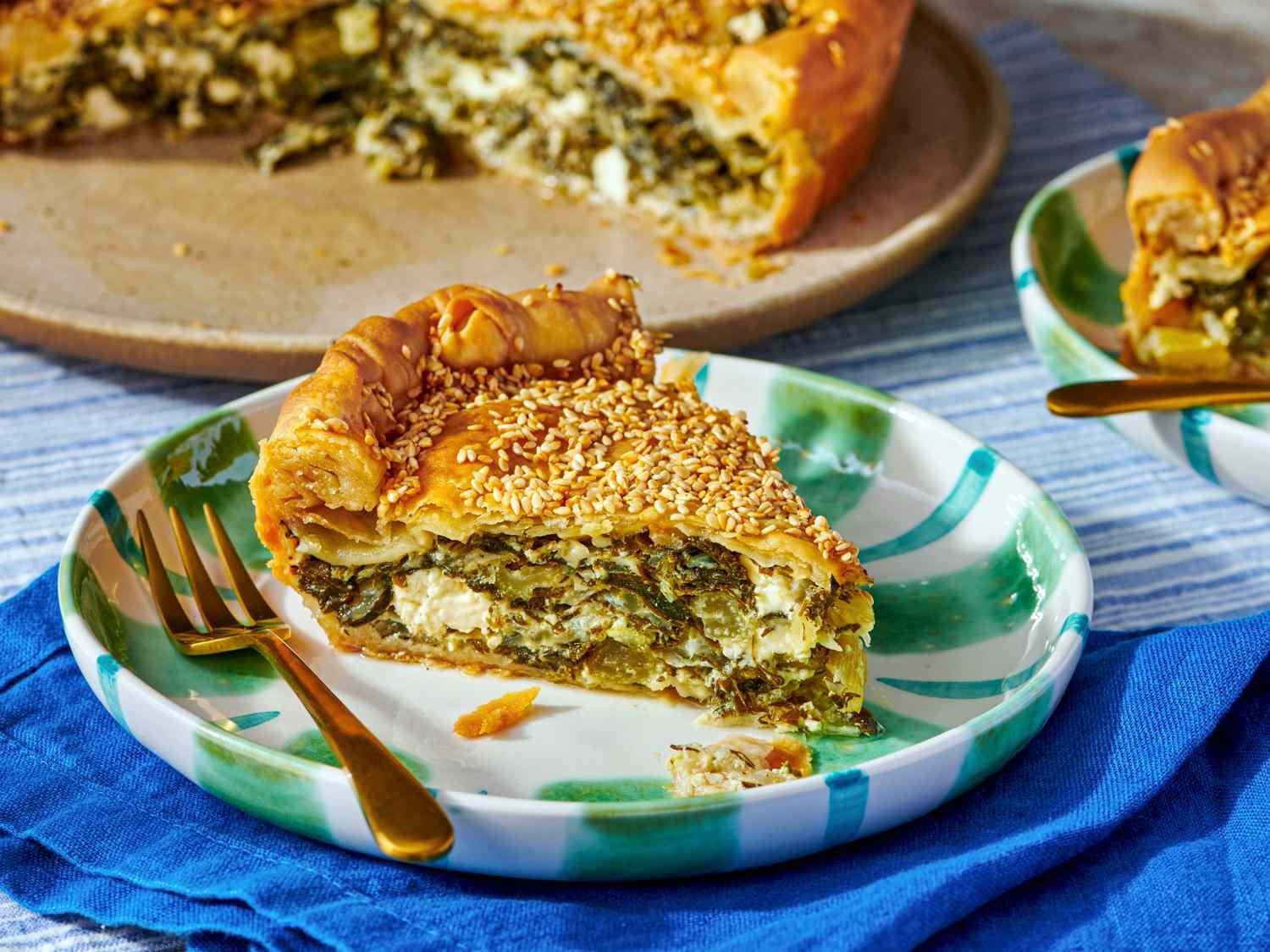
The Greek word “pita” simply means “pie,” and phyllo (“leaf” or “sheet”) refers to the incredibly thin layers of dough encasing fillings. Unlike the uniform, paper-thin sheets of commercial phyllo, homemade versions range in thickness, reflecting regional traditions and personal preferences. This recipe strikes a balance, yielding sheets crisp enough to layer but forgiving enough for beginners.
Why Bother Making It From Scratch?
Commercial phyllo in the US often contains stabilizers and additives absent from traditional recipes. In Greece, local bakers still produce phyllo with just flour, water, and oil. The difference in taste is noticeable. More importantly, making phyllo at home teaches you a fundamental technique—a skill that expands your culinary capabilities.
Essential Tools for Success
The key to proper stretching is a long, thin wooden dowel (known as a plastis in Greek). This tool allows for even wrapping and stretching, producing translucent sheets. While a rolling pin works, a dowel provides superior control. Avoid tapered rolling pins, as they encourage uneven stretching.
Olive Oil: A Generous Hand
Greek cooking isn’t shy with olive oil, and neither should you be. Use a high-quality, everyday olive oil—one that’s buttery and clean. Save the expensive finishing oils for other dishes. The abundance of oil contributes to both flavor and dough elasticity.
The Recipe: A Step-by-Step Approach
This recipe focuses on mastering the dough itself, allowing you to experiment with fillings later. The dough can rest for 30 minutes to a full day, making the rolling process easier. Prepare fillings in advance to focus solely on stretching and assembling the phyllo when it’s time to bake. A round metal baking dish (9-11 inches) is ideal for beginners.
Don’t Fear Imperfection
The biggest obstacles are fear and over-delicacy. The dough is remarkably forgiving. Treat your first attempts like learning experiences. With practice, you’ll learn to “read” the dough and respond accordingly.
Homemade phyllo isn’t about perfection; it’s about the process. Embrace the imperfections, learn from them, and enjoy the journey toward mastering this ancient technique.
This recipe isn’t just about making phyllo; it’s about understanding a core element of Greek cuisine and gaining a skill that will elevate your cooking for years to come.