




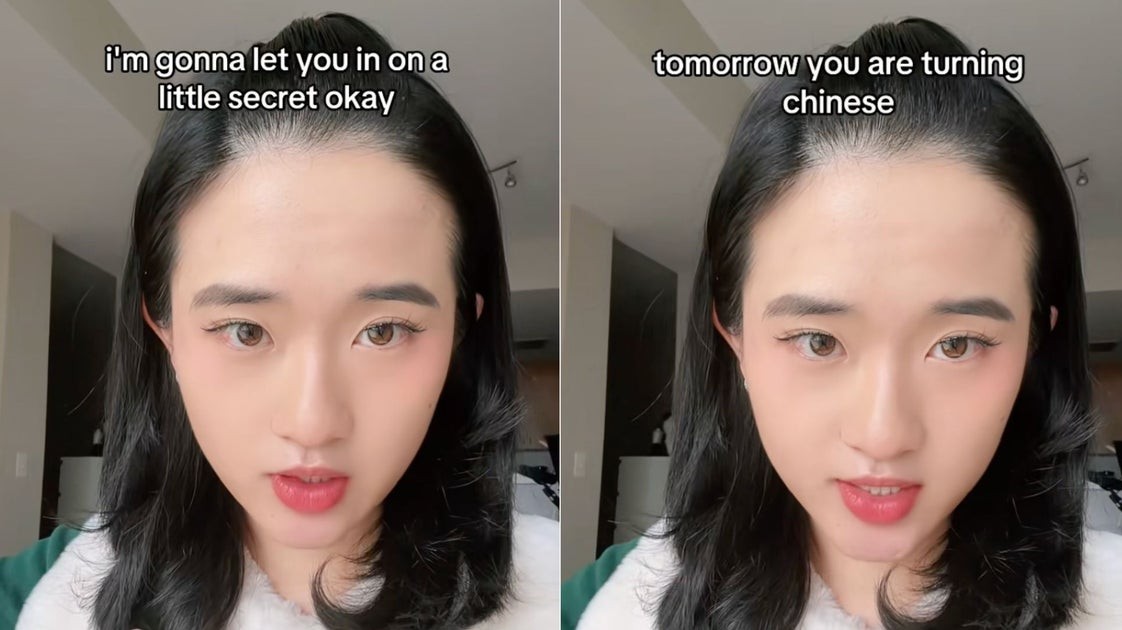
A peculiar trend is sweeping across the internet, especially among Gen Z: people are playfully declaring themselves “Chinese” – not in a racial sense, but as an adoption of traditional Chinese wellness habits. From sipping apple herbal tea and wearing house slippers to enjoying congee for breakfast, this online phenomenon, dubbed “Chinamaxxing” or becoming a “Chinese baddie,” has exploded on platforms like TikTok.
Зміст
The Rise of the Trend
The meme gained traction after content creator Sherry Zhu began sharing tongue-in-cheek advice on embodying one’s “inner Chinese person.” Clips featuring Zhu instructing viewers to ditch barefoot walking in favor of 拖鞋 (tuō xié, slippers) went viral, racking up millions of views. The trend quickly spread, with celebrities like Jimmy O. Yang and podcaster Hasan Piker joining in.
Beyond the Surface: Why Now?
This cultural embrace isn’t merely superficial. While some see it as a lighthearted trend, it reflects deeper shifts in how younger Americans perceive China. Amidst growing disillusionment with domestic infrastructure and political norms, China appears comparatively appealing, particularly in its technological advancements, vibrant pop culture, and efficient urban development.
This fascination coincides with anxieties about the potential ban of TikTok, driving some Americans to explore Chinese social media platforms like Xiaohongshu (RedNote), where they’ve found a welcoming online community. One content creator noted that the narrative around China has shifted as people realize they were “fed propaganda” about the country being a third-world nation.
The Historical Context
The trend carries a complex undertone, given the recent history of xenophobia and anti-Chinese sentiment, particularly during the COVID-19 pandemic. Many Chinese Americans acknowledge this irony, noting that the sudden embrace of their culture feels surreal after years of being scapegoated.
Health and Wellness at the Core
One driving force behind the trend is dissatisfaction with the American healthcare system. People are increasingly drawn to traditional Chinese medicine, which emphasizes holistic wellness and preventative care. Herbalists and doctors of Chinese medicine report a surge in interest, with many Americans seeking simple, everyday practices to improve their health and agency.
Moving Forward Responsibly
While the trend is largely positive, some caution against cultural appropriation. Experts advise engaging respectfully, referencing authentic sources, and supporting Chinese-owned businesses rather than simply chasing clout.
Ultimately, the “becoming Chinese” trend reflects a broader cultural exchange driven by curiosity, disillusionment, and a desire for alternative solutions. It’s a playful yet poignant reminder that perceptions can shift rapidly, and that sometimes, the most unexpected influences come from the most unlikely places.