



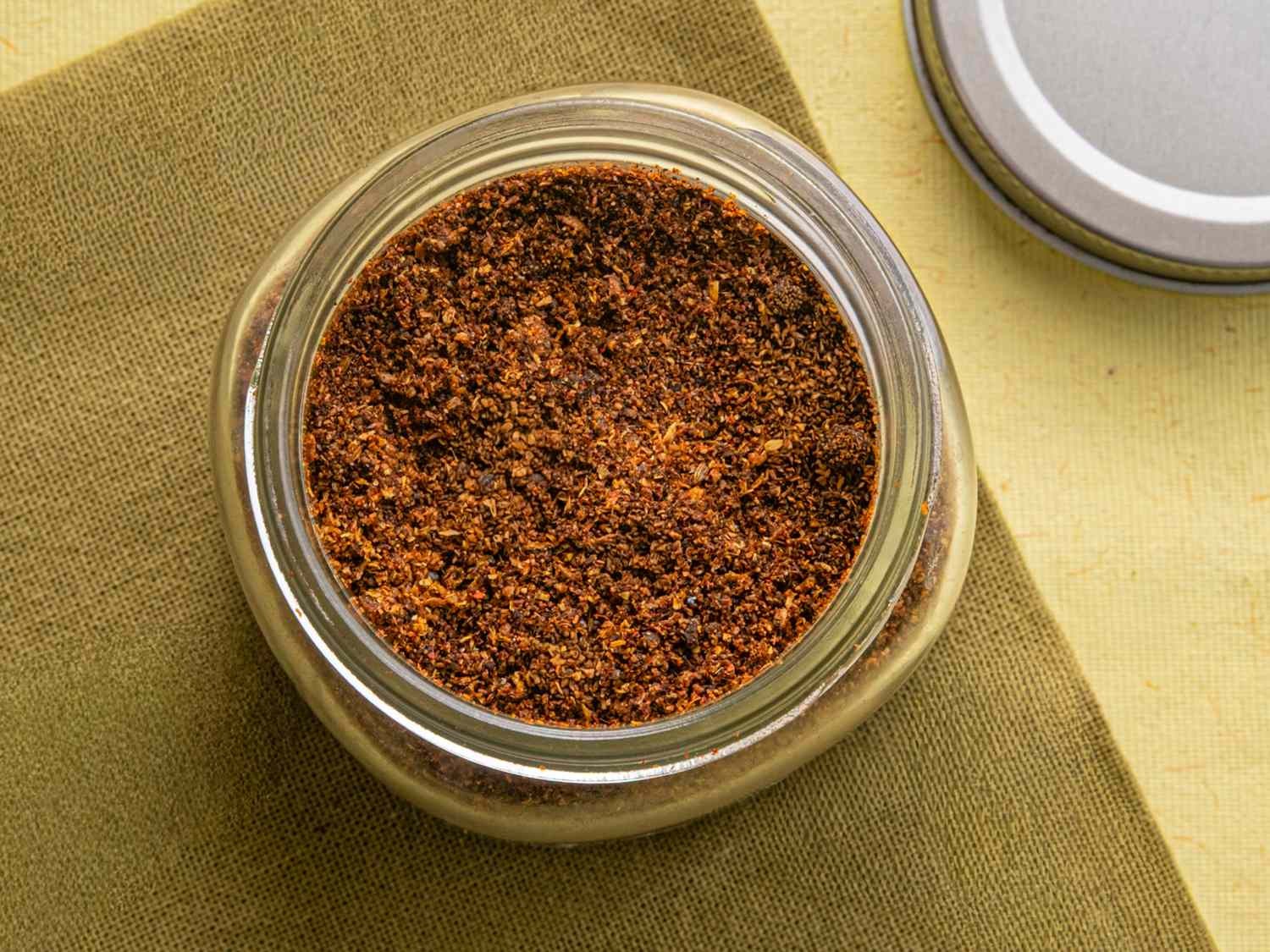
The culinary landscape of Western India is defined by its diversity, where specific spice blends serve as much more than mere seasoning—they act as cultural identifiers. One such blend is Sonari Masala, a distinctive spice mixture deeply rooted in the traditions of the Daivadnya community.
Зміст
Cultural Roots and Etymology
The name “Sonari” is derived from sonar, the Marathi word for goldsmith. This reflects the community’s historical occupation, linking their culinary identity directly to their social heritage. The Daivadnya people primarily inhabit the Konkan region, a coastal stretch spanning Maharashtra, Goa, and Karnataka.
Because this region is a linguistic and cultural crossroads where Marathi, Konkani, and other local dialects intersect, their cuisine is characterized by a sophisticated use of spices that can bridge the gap between vegetarian and non-vegetarian cooking.
A Versatile Flavor Profile
Sonari Masala is designed to provide warmth, heat, and a complex depth of flavor. Unlike blends that focus on a single note, this masala balances several layers:
* Earthy Base: Toasted coriander, cumin, and shah jeera (a delicate, aromatic variety of cumin).
* Warming Spices: Cinnamon (cassia), cloves, and peppercorns.
* Pungent Notes: Mustard seeds.
* Heat: Dried red chilies.
This versatility allows the blend to transition seamlessly between different types of dishes. It is used to season meats and fish, but it is equally vital in vegetarian preparations. For example, during the Ganpati festival, when many households abstain from meat, Sonari Masala provides the necessary savory depth to dishes like dudhi-kajuchi amti (a bottle gourd and cashew stew).
The Art of Preparation: A Layered Approach
To achieve a balanced flavor, the spices must be toasted individually rather than all at once. This prevents smaller, more delicate spices from burning while ensuring the larger seeds release their essential oils.
The Toasting Process
- Coriander Seeds: As the primary ingredient, these are toasted first until they turn golden and fragrant.
- Cumin and Shah Jeera: These follow next, requiring only a brief period of heat.
- Aromatics: Mustard seeds, cassia, peppercorns, and cloves are added last, toasted only until their aroma is released.
- Grinding: Once toasted and cooled, the spices are ground into a fine powder.
- The Chili Finish: Crucially, chili powder is mixed in after the grinding process. By avoiding the high heat of the pan, the chili retains its bright, vibrant flavor and avoids the bitter, harsh notes that can occur when dried chilies are over-toasted.
Culinary Applications
Sonari Masala is a highly adaptable tool for any kitchen. To maximize its impact, it can be used in two primary ways:
* Blooming: Stirring a few teaspoons into hot oil at the beginning of the cooking process to infuse the base fats.
* Finishing: Stirring it in toward the end of cooking for a sharper, more immediate heat.
Whether it is being used to coat roasted vegetables and tofu or to deepen a slow-simmered stew, the masala provides a warm, earthy coating that lingers on the palate.
Summary: Sonari Masala is a culturally significant spice blend that utilizes a precise, staged toasting method to create a balanced profile of warmth and heat, making it an essential component for both meat and vegetarian dishes in Konkan cuisine.