




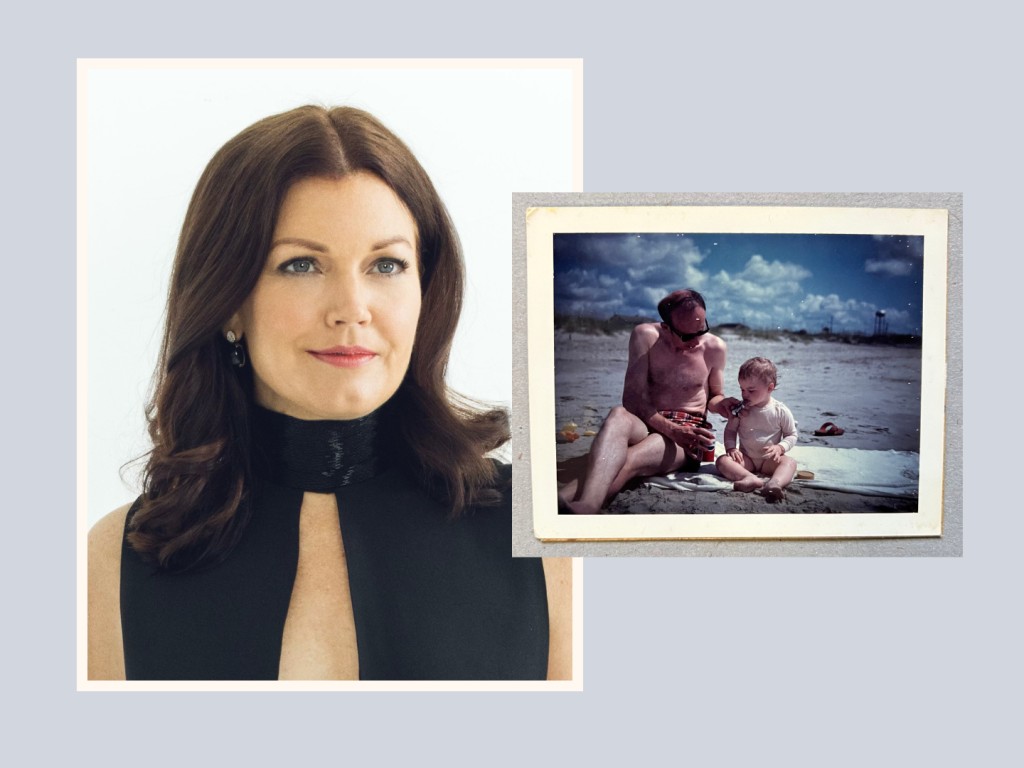
Actress Bellamy Young, widely known for her role in Scandal, is opening up about a deeply personal and painful chapter of her life: the battle her father fought with liver disease and the complex emotions it triggered within her family.
Her story is not just a personal memoir; it is a poignant look at the stigma, misunderstanding, and profound emotional toll that progressive liver diseases can take on both patients and their loved ones.
The Shadow of Stigma
For much of her youth, Young viewed her father as a hero. However, that image was fractured when he was diagnosed with cirrhosis at her age of 13. Because cirrhosis is often associated with long-term alcohol use, the family initially viewed his condition through a lens of private shame.
This stigma led to a breakdown in communication and connection:
– Misinterpretation of Symptoms: Young recalls judging her father’s personality changes and physical struggles—such as hand tremors—as mere symptoms of alcoholism rather than medical complications.
– Emotional Distance: The “indignity” of the diagnosis caused the family to withdraw, treating the illness as a moral failure rather than a biological one.
– Lost Adolescence: As her father’s health declined, Young’s teenage years were defined by caregiving rather than typical social development, creating a sense of isolation and “inappropriate” joy.
Understanding Overt Hepatic Encephalopathy (OHE)
The turning point in their journey came when the family realized that his symptoms were not just behavioral, but neurological. They were eventually diagnosed with Overt Hepatic Encephalopathy (OHE).
To understand the gravity of this condition, it is helpful to break down the medical terminology:
– Hepatic : Relating to the liver.
– Encephalopathy : A broad term for any disease or condition that affects the brain.
– Overt : Meaning the symptoms are visible and manifest clearly.
In short, OHE occurs when the liver can no longer adequately filter toxins from the blood. These toxins travel to the brain, causing significant changes in personality, cognitive function, and physical coordination (proprioception). This explains why a patient may seem like a completely different person—becoming combative, confused, or disoriented—even if they have been stable for years.
Turning Guilt into Purpose
The loss of her father was not a single event, but a prolonged process of grieving as he “stopped being himself” long before he actually passed away. In the years following his death, Young’s initial shame evolved into a lasting guilt—a regret for not recognizing the medical reality of his condition and for failing to advocate for him more effectively.
Today, Young has transformed that “unscratchable itch” of guilt into a mission of advocacy and education. Through her partnership with Salix Pharmaceuticals and her Caregiver Conversations series, she works to:
1. Break the Stigma: Helping families understand that liver disease is a complex medical issue, not a moral failing.
2. Support Caregivers: Providing a platform for those who, like Young, find themselves thrust into caregiving roles unexpectedly.
3. Provide Information: Ensuring that patients and families are not walking the difficult path of an OHE diagnosis alone or uninformed.
“I feel guilty for not advocating for him better, regardless of the how or the why of the disease.”
Conclusion
Bellamy Young’s transition from a grieving daughter to a dedicated advocate highlights the critical need to separate medical symptoms from moral judgments. By shedding light on Hepatic Encephalopathy, she aims to ensure that other families can navigate the complexities of liver disease with clarity and compassion rather than shame.